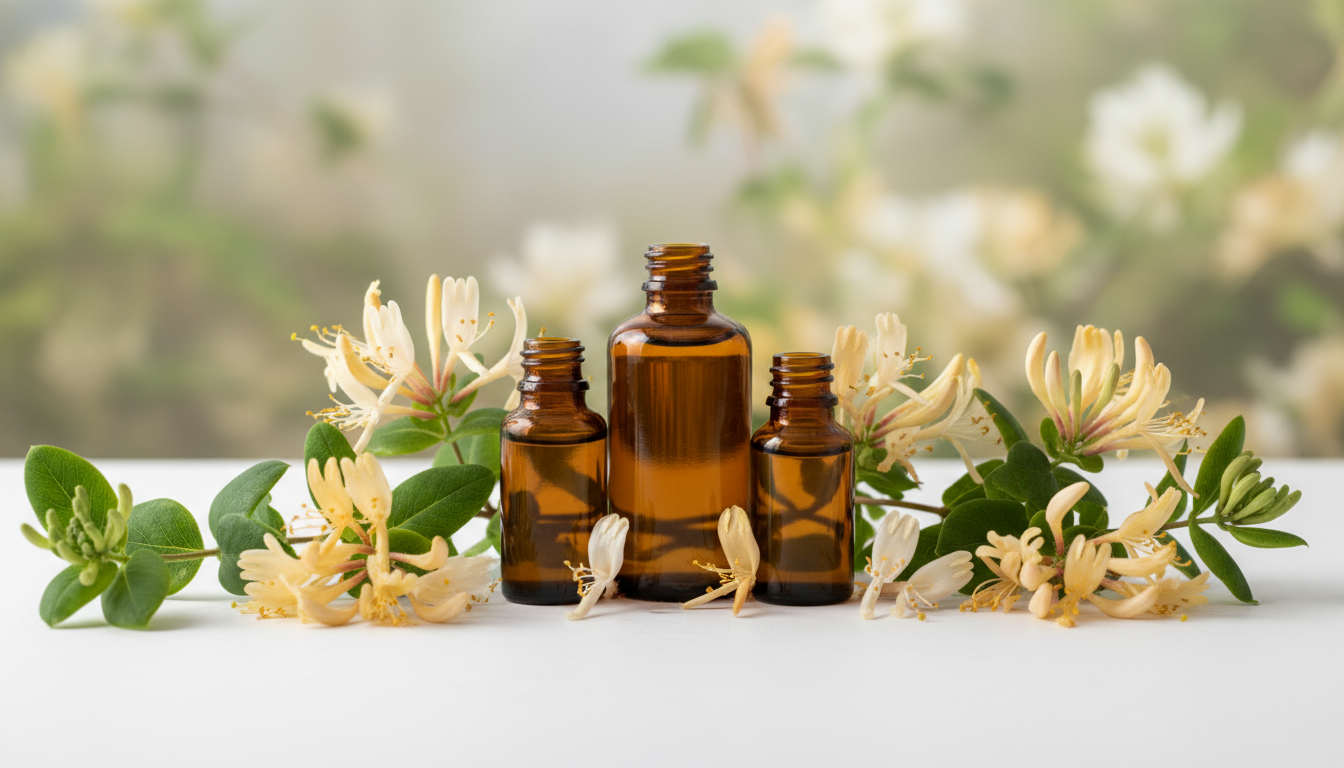
Honeysuckle vs Gardenia Absolute: Two White Florals Compared
Honeysuckle and gardenia sit at opposite ends of the same family tree in the world of white florals, and shoppers land on this comparison for one of two reasons: they are choosing a note for a summer perfume project, or they are trying to figure out which raw material is worth the money. Either way, the honest answer is that these two absolutes are not really competing for the same job. They smell different, they are sourced differently, and the market for each is murkier than most sellers let on.
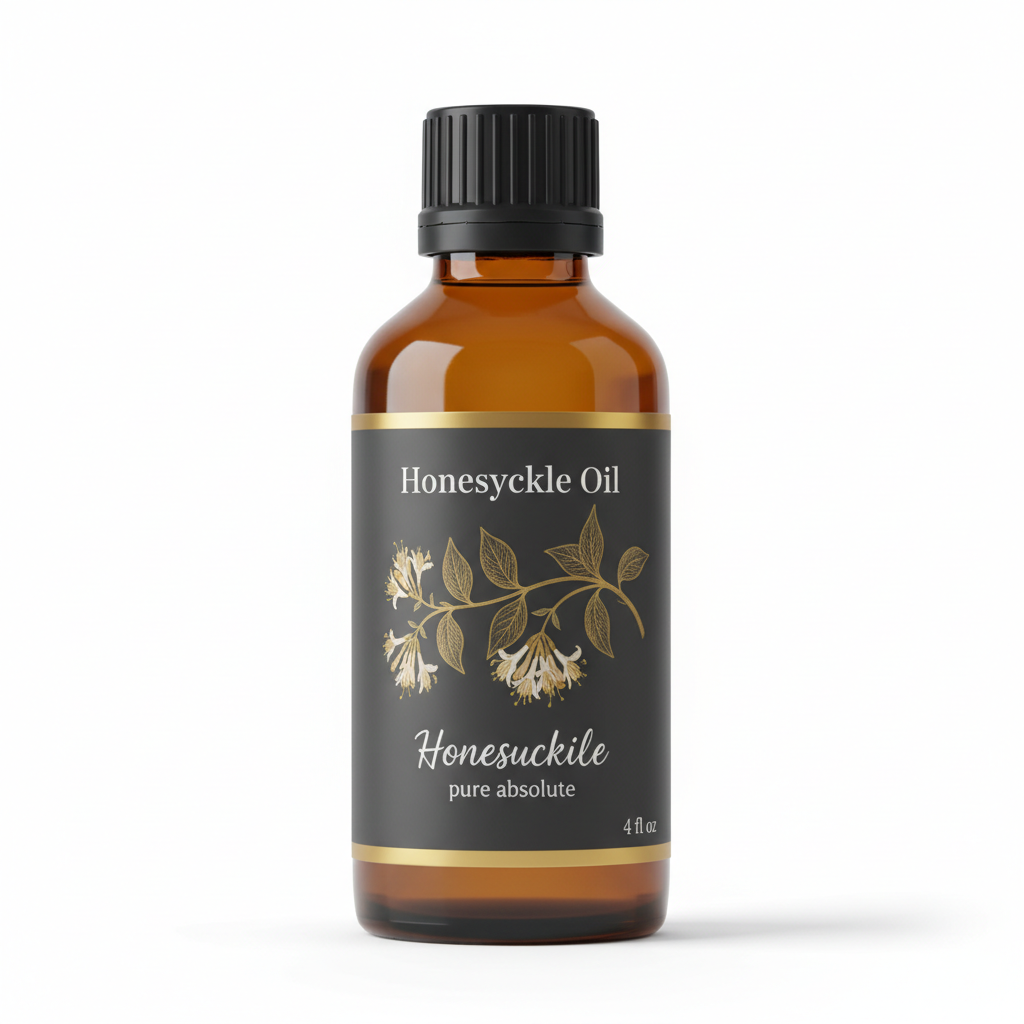
Honeysuckle Absolute
Our own Honeysuckle Absolute, in sizes from 0.5 oz to bulk.
From $13.99
Shop Now →This gardenia absolute comparison lines the two up side by side: how each is actually made, what they smell like on skin versus in a diffuser, what they cost when they are genuine, and where each one earns its place in a fragrance wardrobe. If you have been going back and forth on honeysuckle or gardenia perfume for a summer blend, the details below should make the choice easier.
What "Honeysuckle Absolute" and "Gardenia Absolute" Actually Are
Start here, because the word "absolute" gets stretched thin in this corner of the market. Both flowers are too delicate for steam distillation, so any genuine extraction runs through solvent processing: a concrete first, washed again in alcohol to separate the aromatic compounds from the plant waxes. What comes out the other end is thick, deeply colored, and expensive to produce in any real volume.
Honeysuckle, most often Lonicera japonica, yields a genuine, if scarce, absolute. Specialty perfumery suppliers do sell it, typically sourced from China or parts of Europe, and a small but real market of hobbyists and professionals uses the true material rather than a stand-in.
Gardenia, Gardenia jasminoides, is the trickier of the two. A genuine gardenia absolute exists, but yields are so low and processing so difficult that most commercial "gardenia" fragrance material on the market is a reconstruction: a blend of aromatic isolates and natural components built to mimic the flower's headspace profile, developed using scent-capture technology rather than direct solvent extraction of usable quantities. A handful of specialty houses do offer small batches of true gardenia absolute, at prices that reflect how rare it is. If a bottle of "gardenia oil" costs less than a nice dinner out, assume it is a reconstruction or a synthetic blend, not the genuine article.
Neither flower is available as a true steam-distilled essential oil, no matter what a product label claims. Keep that in mind while shopping, for both sides of this comparison.
Scent Profile Compared
On paper, both are white florals, but they read very differently on skin.
Honeysuckle opens bright and green, almost nectarous, with a sweetness that many people describe as evoking a porch at dusk in midsummer. Underneath that top note sits something softer and slightly honeyed, with a faint indolic warmth (the same family of compound that gives jasmine its depth) that keeps it from smelling one dimensional. It tends to feel airy rather than heavy, and it fades at a moderate pace rather than lingering for hours.
Gardenia, by contrast, leans creamy and rich from the first sniff. Think buttery petals, a faint mushroom-like earthiness, and a tropical fullness that can edge toward coconut or custard in the base. It sits closer to jasmine and tuberose on the intensity scale: heavier, more sultry, and slower to fade. A little goes a long way, and it tends to dominate a blend rather than fold quietly into the background.
If you are weighing white floral absolutes compared side by side for a specific project, that intensity gap matters more than almost anything else on this list. Honeysuckle plays well with a light hand. Gardenia rewards restraint.
Honeysuckle vs Gardenia Absolute: Side-by-Side Comparison
| Attribute | Honeysuckle Absolute | Gardenia Absolute |
|---|---|---|
| Botanical source | Lonicera japonica or L. caprifolium | Gardenia jasminoides |
| Extraction method | Solvent extraction (concrete, then absolute) | Solvent extraction where genuine; more often a scent reconstruction |
| Availability of the true absolute | Scarce but findable through specialty suppliers | Very scarce; most market products are reconstructions |
| Scent character | Green, nectarous, softly honeyed | Creamy, buttery, tropical, earthy undertone |
| Intensity | Light to moderate | Rich and heavy |
| Approximate longevity on skin | Moderate, several hours | Long, can linger most of the day |
| Typical price for genuine, undiluted material | Roughly $80 to $200+ for a small vial | Often higher, when the true absolute can be sourced at all |
| Best season | Late spring through summer | Warm evenings, special occasions, cooler months too |
| Common blending partners | Jasmine, neroli, light musks, citrus top notes | Jasmine, tuberose, sandalwood, vanilla |
| Beginner friendliness | Easier to work with, forgiving in small blends | Demanding, easy to overdo |
Honeysuckle Absolute: Pros and Cons
Pros
- Bright, nostalgic scent that reads as approachable rather than heavy
- Genuine absolute is scarce but actually obtainable from reputable suppliers
- Blends well with a wide range of other naturals without overwhelming them
- Lighter footprint makes it easier to use generously in a formula
Cons
- Fades faster than heavier white florals, so it may need a base note to anchor a finished perfume
- Genuine material is still a specialty purchase, not something found at a general craft store
- The market is flooded with synthetic "honeysuckle oil" products that carry none of the real flower's complexity
Gardenia Absolute: Pros and Cons
Pros
- Rich, memorable scent with genuine staying power on skin
- Distinct creamy character that is difficult to replace with any other single floral
- Well suited to evening wear and special-occasion formulas
Cons
- True absolute is extremely rare and priced accordingly; most products sold as "gardenia oil" are reconstructions, and sellers do not always say so clearly
- Intensity makes it easy to overuse; a small miscalculation can dominate an entire blend
- Less forgiving for a first-time buyer who has not yet learned to work with heavier white florals
Best For: Matching the Floral to the Use Case
A light summer perfume or body oil: honeysuckle. Its brightness and moderate intensity suit warm-weather wear, and it layers easily under a T-shirt without becoming cloying by afternoon.
An evening or special-occasion fragrance: gardenia. The richness that makes it demanding in a daytime blend is exactly what makes it memorable after dark.
A first attempt at working with natural white florals: honeysuckle. It is more forgiving of an imprecise hand and gives newer hobbyists room to experiment without wasting an expensive material on a single misstep.
Candle and room fragrance projects: honestly, neither true absolute is the practical choice here, given the cost. Most candle and diffuser lines lean on well-made synthetic fragrance oils for both notes, reserving the genuine absolutes for skin-worn perfumery where their complexity actually shows.
A statement note in a complex perfume composition: gardenia, used sparingly. Perfumers often reach for it as a supporting player alongside jasmine or tuberose rather than the sole floral note, precisely because a little carries so much weight.
Budget-conscious shoppers exploring the category for the first time: honeysuckle. A small sample of genuine honeysuckle absolute is more attainable than a comparable sample of true gardenia, simply because more suppliers carry it.
Price and Sourcing Reality
Both of these florals sit near the top of the price chart for natural perfumery materials, and for the same underlying reason: neither flower gives up its scent easily. Flowers are picked by hand, processed while fresh, and yield only a tiny fraction of finished absolute relative to the raw plant material used. A supplier asking a fair price for either one is not overcharging. A supplier selling either one for a few dollars an ounce is almost certainly selling something else.
The honest recommendation, whichever floral you lean toward, is to ask questions before buying: the Latin binomial, the extraction method, the country of origin, and whether a GC/MS report is available on request. A seller who answers all four without hesitation has earned your consideration. A seller who cannot is worth a second look, no matter how good the listing photos are.
If skin contact is part of your plan for either absolute, dilute it properly in a suitable carrier oil before wearing it, and patch test on a small area of skin first, waiting 24 to 48 hours before broader use. Absolutes are concentrated botanical extracts, and what works beautifully at one percent in a blend can be irritating applied undiluted. Anyone with known sensitivities to fragrance materials should consult a qualified healthcare provider before adding a new botanical to a routine.
Frequently Asked Questions
Is honeysuckle or gardenia perfume better for everyday wear?
For most people, honeysuckle is the easier everyday choice. Its lighter, greener profile suits daytime wear without dominating a room, while gardenia's richness tends to suit evening occasions better.
Can I mix honeysuckle and gardenia absolutes in the same blend?
Yes, and some perfumers do exactly that, using honeysuckle as a bright top note over a small amount of gardenia in the heart. Start with far less gardenia than honeysuckle by volume, since it is the more assertive of the two.
Why is genuine gardenia absolute so much harder to find than honeysuckle?
Gardenia's aromatic profile is notoriously difficult to capture through classic solvent extraction in commercially useful volumes, which is why scent-capture technology and reconstruction became the industry's practical workaround. Honeysuckle, while still low-yield, extracts more predictably.
How should I store either absolute once opened?
Keep both away from direct light and heat, tightly capped, ideally in a cool, dark cabinet. Properly stored, a genuine absolute can hold its character for a few years, though the brightest top notes soften first.
The Verdict
There is no single winner in honeysuckle vs gardenia absolute, because the two rarely compete for the same slot in a formula. Honeysuckle is the lighter, more approachable choice relative to its rarity: a green, nectarous top note that suits summer and rewards a generous hand. Gardenia is the richer, heavier, harder-to-source option that performs best in small doses and evening wear, where its creamy intensity has room to unfold without overwhelming everything around it.
If pressed to pick one for a first purchase, honeysuckle is the more practical entry point: genuine material is easier to find, easier to work with, and easier to enjoy without a steep learning curve. Gardenia is worth seeking out once you already know you love white florals and want something with more depth and staying power, and once you are ready to source it carefully given how much of the market is reconstruction rather than the real flower.
Either way, the deciding factor should be the mood you are after rather than which one wins outright. A bright, porch-at-dusk summer scent points toward honeysuckle. A rich, memorable evening note points toward gardenia. Both are genuine white florals worth knowing, and both deserve a supplier willing to tell you exactly what is in the bottle.