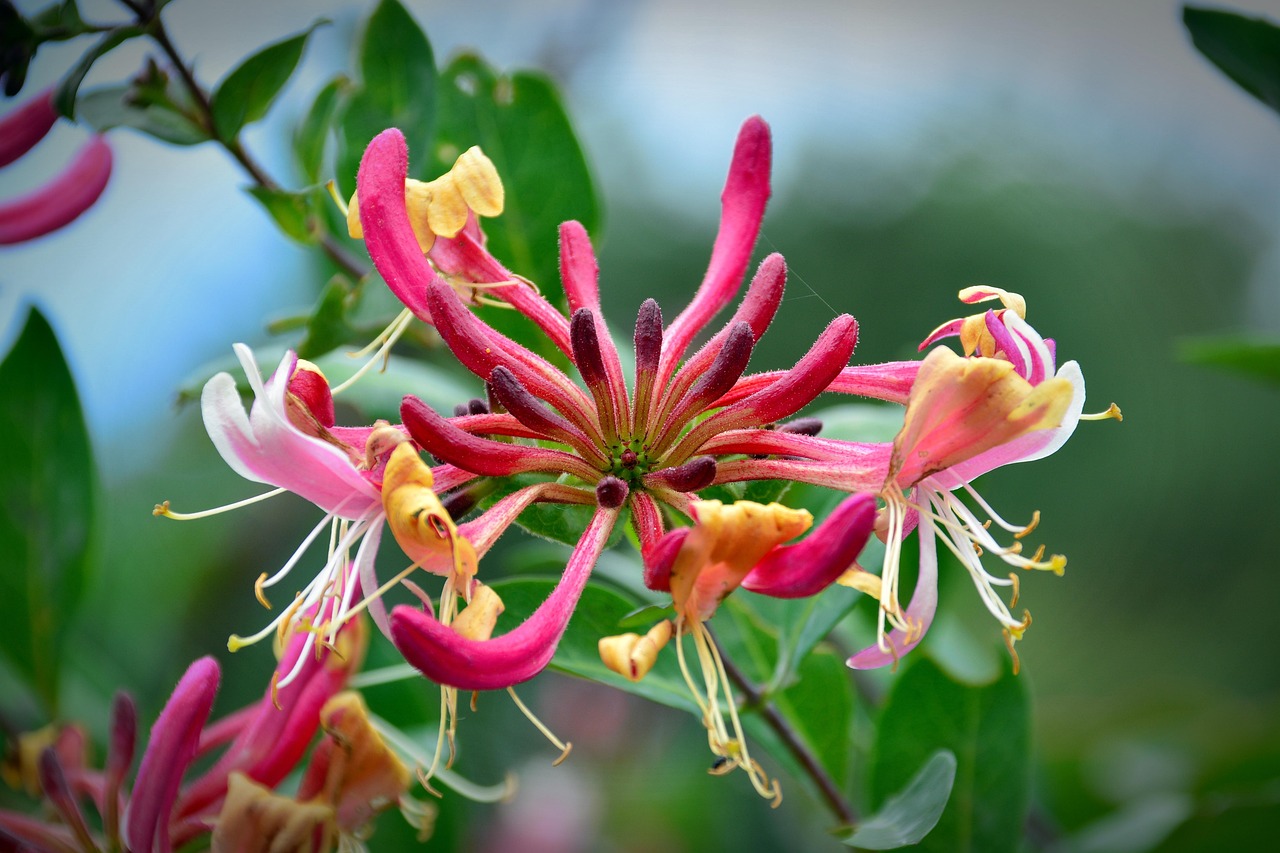
Case Study: Building a Honeysuckle Soliflore Perfume From Scratch
Honeysuckle is one of those scents that people describe with startling specificity. Not just "floral" or "sweet" but: the hedge at my grandmother's back gate, the walk home from school in June, the twenty minutes after a summer rain when the air feels almost edible. That specificity is exactly what makes a honeysuckle soliflore so compelling to attempt, and so genuinely difficult to pull off.
Honeysuckle Absolute
Our own Honeysuckle Absolute, in sizes from 0.5 oz to bulk.
From $13.99
Shop Now →This case study documents a single-flower perfume project built around honeysuckle as the sole featured note. The goal was not a supporting role, not a honeysuckle-forward blend with a dozen other florals jostling for space. The goal was a soliflore: one flower, translated faithfully into a wearable fragrance. What follows covers the context, the materials shortlist, the approach taken at the blending table, and the honest outcomes, including the parts that did not go as planned.
The Problem With Honeysuckle
Before getting into what was built, it helps to understand the central challenge of any honeysuckle soliflore project. Unlike rose, jasmine, or lavender, true honeysuckle absolute is scarce, inconsistent in quality, and expensive enough to make even experienced perfumers wince. The flowers do not yield essential oil through standard steam distillation in commercially viable quantities. What exists on the market is either a genuine absolute (extracted via solvent, labor-intensive, and produced in small batches), an enfleurage product from specialist artisans, or, far more commonly, a reconstitution built from aromatic molecules that approximate the flower's character.
That last category is not a failing. Many celebrated perfumes use reconstituted naturals and aroma chemicals to capture flowers that nature refuses to yield easily. The question for this project was which route to take, and why.
For a deeper look at how honeysuckle materials behave alongside other florals, the guide on blending with honeysuckle in floral perfumery covers compatibility, layering logic, and why certain pairings tend to work better than others. That context shaped several decisions made here.
Setting the Brief
Every serious perfumery project starts with a written brief. This one read as follows:
A soliflore centered on honeysuckle in full bloom, late afternoon, warm air. Slightly green and fresh at the opening. The heart should feel round, honeyed, and recognizably floral without becoming candy-sweet. The dry-down should carry a faint waxy-woody quality that suggests the flower's vine and bark rather than a synthetic clean musk. Longevity target: four to six hours on skin. Format: eau de parfum concentration.
The brief serves two purposes. It gives you something to evaluate against when you smell the results, and it stops scope creep. When a blend starts pulling toward vanilla, or vetiver, or citrus, the brief is what pulls you back.
Materials Selected
Given the sourcing challenges described above, this project used a layered approach: one genuine honeysuckle absolute as the anchor, supplemented by specific aroma chemicals known to reflect different facets of the flower. Here is what made the shortlist and why:
The Absolute
A small quantity of honeysuckle absolute sourced from a reputable botanical supplier in France. The absolute had a thick, deep-golden consistency and smelled, in isolation, more intensely green and slightly fermented than the living flower. This is typical. Absolutes concentrate everything, including the less glamorous facets, and the perfumer's job is to use them in proportion.
The Supporting Molecules
- Linalool: A naturally occurring terpene alcohol found in hundreds of flowering plants. Contributes a soft, slightly floral-woody lift that smooths the absolute's rougher green edges.
- Benzyl acetate: Frequently cited in analyses of jasmine and honeysuckle-adjacent florals. Adds a fruity, lightly sweet dimension that reads as recognizably honeysuckle to most people's noses.
- Indole (at trace levels): A molecule present in many white flowers, often described as slightly animalic or narcotic in isolation. At very low concentrations, it gives florals their sense of depth and warmth. The dose here was 0.1% of the total formula weight. More would have overwhelmed everything else.
- Cis-3-hexenol: The molecule most commonly associated with cut grass and fresh green leaves. Used at a very low percentage to recreate that first-seconds impression of the flower on the vine.
- Hedione (methyl dihydrojasmonate): A diffusive, radiant molecule often described as having a jasmine-adjacent quality with exceptional lift. Helps the whole composition project and bloom on skin.
The Base
Benzyl benzoate and a small amount of ambrette seed (a musk derived from hibiscus seeds, not animal sources) provided the closing dry-down. Ambrette was chosen specifically because it reads as softly floral-waxy rather than the clean synthetic musks that tend to flatten a composition at the end.
The Blending Process
Blending began with the absolute in a 10% dilution in ethanol. Working with undiluted absolutes at the bench makes it nearly impossible to assess their true contribution at formula weight; everything just smells overwhelmingly of the strongest material.
The first trial formula concentrated on the green opening: absolute, cis-3-hexenol, linalool, all in a neutral ethanol carrier. The result was recognizable but hollow. It smelled like the idea of honeysuckle rather than the experience of it. The sweetness and round honeyed quality of the actual flower were absent.
Benzyl acetate was introduced at 3% of the formula in the second trial. The difference was immediate and significant. The composition developed a warmth and familiarity that the first trial lacked. A test strip left for thirty minutes showed the green top receding naturally into something rounder and more floral at the center.
Indole was the most nerve-wracking addition. The margin between "adds life" and "smells like a warm bathroom" is genuinely narrow with this molecule. Starting at 0.05% and incrementally moving to 0.1%, the sweet spot was found where the absolute gained depth without any of the animalic quality becoming perceptible.
Hedione came in at the fourth trial at 8% of formula. This is on the moderate end of its typical usage range. The effect was a significant opening-up of the composition: the honeysuckle character became more diffusive, more present in the air around the strip rather than requiring close contact to smell. This quality, sometimes called sillage in perfumery, is particularly important in a soliflore because there is nothing else in the blend to create movement and interest.
Wear Testing: Observations Over Two Weeks
Formula four was prepared at eau de parfum concentration (approximately 18% aromatic materials in ethanol) and allowed to macerate for five days before wear testing began. Macerating, meaning allowing the mixed formula to rest so the molecules can interact fully, often changes the character of a blend noticeably. This one became less sharp and more cohesive over those five days.
Wear testing observations over approximately two weeks on two different testers with different skin chemistries produced the following notes:
Opening (0 to 30 minutes)
The green, leafy quality was present but light. Most testers described the opening as "garden-like" and immediately recognizable as honeysuckle rather than a generic white floral. The ethanol bloom at first application carried the cis-3-hexenol and linalool prominently.
Heart (30 minutes to 3 hours)
The round, honeyed quality from benzyl acetate became the dominant character. The absolute's contribution was most legible here: a slightly complex, naturalistic floral rather than the flat sweetness of purely synthetic honeysuckle accords. Several people who sniffed the formula during this phase mentioned a specific sensory memory without being prompted, which is typically a good indicator that a soliflore is working.
Dry-down (3 hours onward)
The ambrette and benzyl benzoate base began to show. The scent softened considerably and became more skin-close. The waxy-floral quality the brief described was present, though on one of the two testers it developed more quickly and leaned slightly more powdery than intended. This is a known variable in perfumery: skin pH and body chemistry interact with aromatic molecules differently from person to person, and a formula that sits perfectly on one tester may need adjustment for another.
Longevity on both testers fell within the target range: four to five hours of perceptible wear on skin, with traces detectable on fabric for considerably longer.
What Worked
The layered approach to capturing honeysuckle, using the absolute as a foundation rather than as the primary workhorse, produced a more nuanced result than either the absolute alone or a fully synthetic accord would have. The interplay between the cis-3-hexenol's brief green signal and the rounder benzyl acetate in the heart created a sense of movement that is difficult to achieve when working with a single material.
Hedione's inclusion was, in retrospect, non-negotiable. Without it, the formula was pleasant but somewhat still. With it, the composition had the airy, radiant quality that people associate with actual flowers rather than floral fragrance as a category.
What Did Not Work (and What Was Learned)
The dry-down proved more variable across skin types than anticipated. A future iteration would explore replacing a portion of the benzyl benzoate with a smaller amount of a lighter base material to reduce the powdery tendency on warmer or oilier skin types.
The maceration period may also benefit from extension. Five days produced good integration, but a parallel sample macerated for fourteen days showed a marginally smoother transition from heart to base on subsequent testing. For a final formula intended for regular use, a two-week maceration would be the recommendation.
If you are working on a simpler starting point before attempting a project of this scale, the honeysuckle perfume oil rollerball recipe is a well-tested beginner format that develops familiarity with honeysuckle materials at lower complexity. It is genuinely useful to work with the materials in an accessible context before scaling up to eau de parfum formulation.
A Note on Format Variations
Once a soliflore formula is stable and tested, the aromatic heart can translate into other product formats beyond fine fragrance. A version of this composition at lower concentration in a carrier oil base produced a pleasant body oil that wore somewhat differently from the ethanol-based perfume, with the base notes becoming more prominent immediately due to the absence of ethanol evaporation. The green opening note behaved quite differently in an oil carrier, which is worth noting for anyone considering adapting a perfume formula this way.
For those interested in taking honeysuckle into focused nail and hand care rituals, the honeysuckle cuticle oil recipe offers a different way to work with the same botanical character in a carrier that suits everyday hand care.
Key Takeaways for Single-Flower Perfume Work
- A soliflore is not a simple project. The absence of supporting notes means every decision is visible. There is nowhere to hide an imbalance.
- Use the absolute sparingly and strategically. Its role in this formula was to provide naturalistic depth, not to do all the heavy lifting. The aroma chemicals did most of the work of creating the recognizable honeysuckle character.
- Write a brief and hold to it. When the dry-down started pulling toward territory that felt more powdery-oriental than the brief specified, referring back to the original document was what redirected the formula adjustments correctly.
- Allow for skin chemistry variation in your evaluation. Testing on a single person is insufficient for a formula you plan to wear or share. Two testers revealed a variable in the base that single-tester evaluation would have missed entirely.
- Maceration time matters more than most beginner resources suggest. The difference between a five-day and fourteen-day maceration was perceptible, particularly in the smoothness of the heart-to-base transition.
Final Thoughts on the Honeysuckle Soliflore as a Format
A well-executed single-flower perfume is one of the more demanding formats in independent perfumery, and honeysuckle is one of the more demanding subjects within that format. The flower's character is specific enough that people will immediately recognize a failure to capture it, but elusive enough that straight-line approaches tend to produce something that smells like a honeysuckle-scented cleaning product rather than the actual flower.
The approach documented here, layering a genuine absolute with targeted aroma chemicals and giving the formula proper time to integrate, produced results that were recognizable, wearable, and true to the brief. Not perfect. A second iteration is planned. But the foundation is solid enough to build on, and that is, realistically, what a successful case study in independent perfumery looks like.