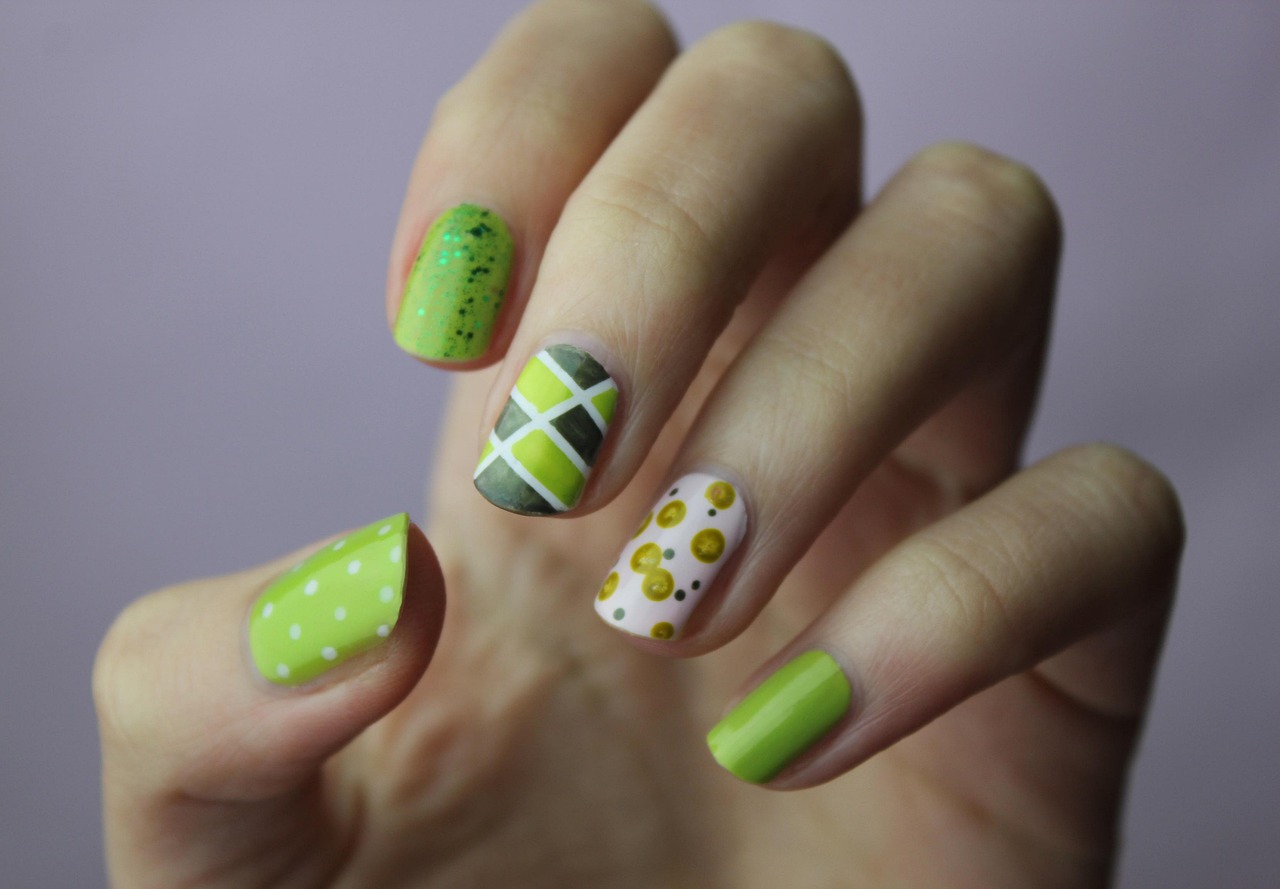
DIY Honeysuckle Cuticle Oil: A Garden-Sweet Nail Ritual
There is something quietly satisfying about pushing back your cuticles at the end of a long day, massaging a drop of scented oil into each nail bed, and watching your hands look instantly more tended. A good cuticle oil makes that small ritual feel like something worth pausing for. This honeysuckle cuticle oil recipe is built around exactly that idea: a lightweight, floral nail oil that absorbs quickly, smells like a summer garden at dusk, and costs a fraction of what you would spend on a boutique version.
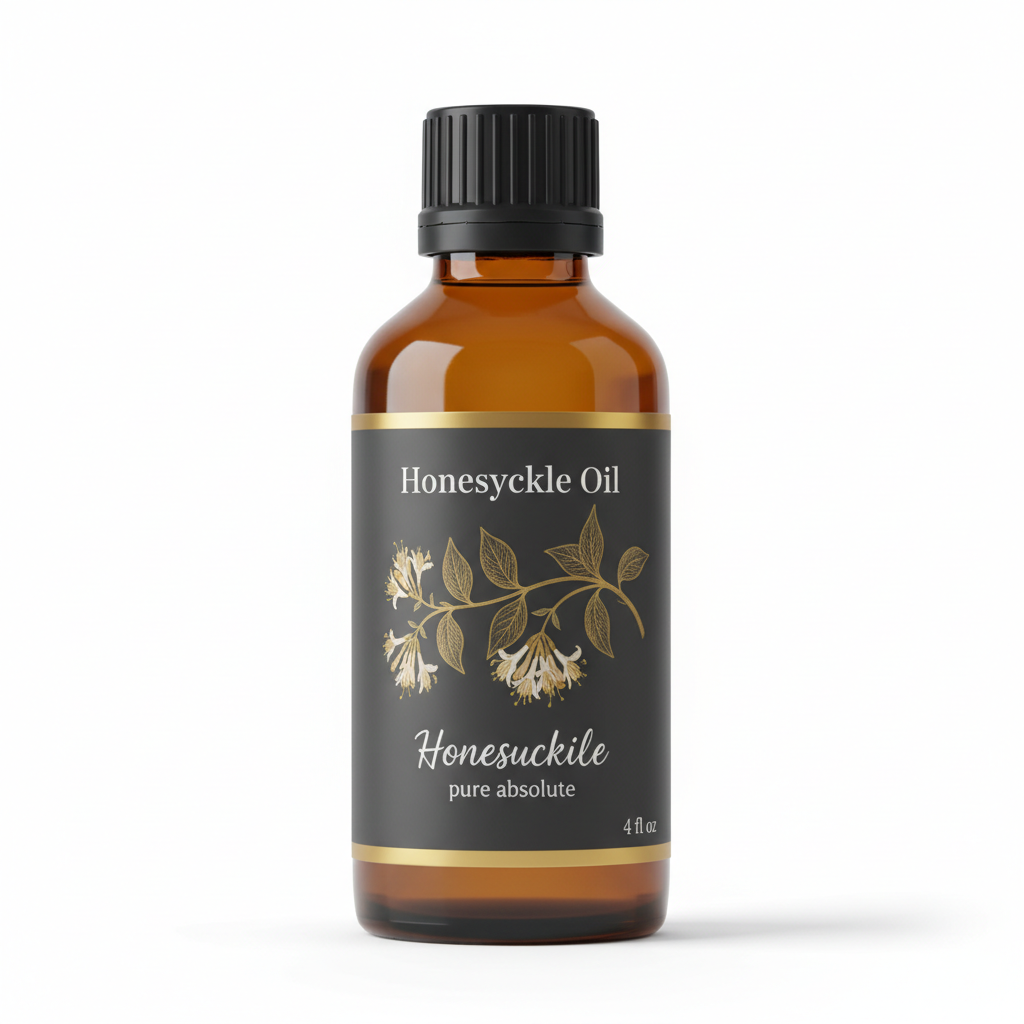
Honeysuckle Absolute
Our own Honeysuckle Absolute, in sizes from 0.5 oz to bulk.
From $13.99
Shop Now →Cuticle oils are also one of the most forgiving DIY projects you can start with. No heat required. No complex chemistry. Just a small bottle, a few quality carrier oils, and a carefully measured drop of honeysuckle absolute or a compatible floral accord. If you are new to blending at home, this is a wonderful place to begin. If you are already comfortable with carrier-based blends, the formulation notes below will give you room to experiment.
What Makes Honeysuckle Right for a Cuticle Oil?
Honeysuckle brings more than fragrance to a nail oil. The scent itself, sweet and softly green with a faint powdery warmth, creates the kind of sensory atmosphere that makes a two-minute hand ritual feel intentional. Fragrance is the reason most people reach for a cuticle oil in the first place, beyond its practical conditioning role.
From a formulation standpoint, honeysuckle absolute blends beautifully with the light, skin-compatible carriers that work best around the nail. It has good throw without being aggressive, which matters when the oil will sit close to your nose every time you use your hands. You can read more about working with honeysuckle in aromatic blends in our guide to blending with honeysuckle for floral perfumery.
The carriers do the structural work. Jojoba, which is technically a liquid wax, absorbs quickly without leaving a greasy film. Sweet almond oil adds a slightly richer slip. Vitamin E functions as an antioxidant that helps extend shelf life and keeps the blend stable over time. Together, they create a base that feels balanced on the nail and surrounding skin.
Recipe Overview
- Difficulty level: Beginner-friendly
- Prep time: 10 minutes
- Yield: Approximately 10 ml (one standard dropper bottle)
- Shelf life: 6 to 12 months when stored correctly
Ingredients
| Ingredient | Amount | Notes |
|---|---|---|
| Jojoba oil (golden or clear) | 7 ml | Primary carrier; absorbs cleanly |
| Sweet almond oil | 2 ml | Adds slip and a slightly richer texture |
| Vitamin E oil (tocopherol) | 1 ml (approximately 20 drops) | Antioxidant; helps preserve the blend |
| Honeysuckle absolute | 2 drops | Approximately 1% dilution; see notes below |
| Optional: ylang ylang essential oil | 1 drop | Adds floral depth; keep total fragrance at or under 1% |
A note on dilution: Two drops of honeysuckle absolute in 10 ml of carrier oil sits at approximately 1% dilution. This is within the commonly recommended range for products applied to the hands and nail area. Some formulators go up to 2% for leave-on hand products, but for a first batch, starting at 1% lets you gauge your personal scent preference and skin response before adjusting.
Equipment You Will Need
- One 10 ml amber glass dropper bottle (glass preferred over plastic for longevity)
- A small measuring beaker or pipette for the carrier oils
- A glass stirring rod or a clean toothpick
- Labels and a fine-tip marker for dating and identifying the blend
- A clean, dry work surface
Step-by-Step Instructions
- Prepare your workspace. Wipe down your work surface with isopropyl alcohol and let it dry. Make sure all equipment is clean and fully dry. Any water introduced into an oil blend can encourage spoilage.
- Measure your carriers. Using a pipette or measuring beaker, add 7 ml of jojoba oil directly into your dropper bottle. Follow with 2 ml of sweet almond oil.
- Add the vitamin E. Drop in approximately 20 drops of vitamin E oil. If your vitamin E is very thick, you can warm the dropper briefly between your palms to make it flow more easily.
- Add the honeysuckle absolute. This is the most precise step. Honeysuckle absolute is thick and viscous. Warm the bottle slightly in your hands, then add exactly 2 drops. Count slowly. One extra drop at this volume can shift the scent profile noticeably.
- Add any optional additions. If you are including a single drop of ylang ylang, add it now. Do not exceed 3 drops of total fragrance across a 10 ml batch.
- Cap and roll. Place the dropper cap on securely and roll the bottle gently between your palms for 30 seconds. Do not shake vigorously. Rolling encourages the fragrance to incorporate without introducing air bubbles.
- Rest the blend. Set the bottle in a cool, dark spot for 24 hours before using it. This resting period allows the aromatic molecules to fully integrate with the carriers and gives the scent a chance to round out.
- Label immediately. Write the date, the ingredients, and the dilution percentage on your label. This matters more than it seems, especially if you make multiple batches or variants.
Safety Warnings and Contraindications
DIY blending is genuinely accessible, but it does require some care. Please read these notes before your first use.
Patch Testing
Before applying this diy cuticle oil to your nail beds daily, do a patch test on the inside of your wrist or elbow. Apply a small amount, leave it undisturbed for 24 hours, and check for any redness, itching, or irritation. If you notice any of these responses, discontinue use. Even naturally sourced ingredients can cause reactions in sensitive individuals.
Nut Allergy Consideration
Sweet almond oil is derived from tree nuts. If you have a known nut sensitivity, substitute with an equal amount of additional jojoba oil or fractionated coconut oil instead. See the variations section below for full substitution guidance.
Pregnancy and Nursing
If you are pregnant, nursing, or have any underlying health considerations, please consult a qualified healthcare provider before using fragrant botanical oils on your skin.
Children
This formulation is intended for adult use. Keep all bottles out of reach of children.
Eyes and Broken Skin
Avoid contact with eyes. Do not apply to broken or irritated skin around the nail area. If oil contacts eyes, rinse immediately with clean water.
Flammability
All carrier and fragrance oils are flammable. Store away from open flames and heat sources.
How to Use Your Honeysuckle Cuticle Oil
Apply one to two drops to each nail bed and the surrounding cuticle. Massage gently with circular motions using the pad of your opposite thumb. Work the oil in for about 30 seconds per hand. For best results, use after washing your hands or after a shower, when the skin is slightly warm and more receptive.
Many people find a nightly application before bed fits easily into a wind-down routine. The honeysuckle scent adds a gentle aromatic quality to the moment, making it feel more like a personal ritual than a chore.
Storage Instructions and Shelf Life
Store your finished honeysuckle cuticle oil in a cool, dark location away from direct sunlight. A bathroom drawer works well, provided the room does not get excessively steamy. Heat and light both accelerate oxidation in carrier oils, which shortens shelf life and can cause rancidity.
With proper storage and the vitamin E included in this recipe, this blend should remain stable for 6 to 12 months. Jojoba itself is exceptionally stable compared to most carriers and is one reason it forms the bulk of this base. Sweet almond oil has a shorter natural shelf life, roughly 12 months unopened, so it is the more sensitive element here.
Signs of a blend past its prime: a sour, crayon-like, or noticeably stale scent. If the oil smells off, discard it and make a fresh batch.
Variations and Substitutions
For a Lighter Finish
Replace the sweet almond oil entirely with additional jojoba or with a small amount of squalane (derived from sugarcane). Squalane absorbs rapidly and leaves almost no perceptible residue, which some people prefer for daytime use.
For a Richer, More Intensive Formula
Swap 1 ml of jojoba for 1 ml of rosehip seed oil. This adds a slightly heavier feel and a nuttier base note to the blend. Note that rosehip seed oil has a shorter shelf life and can shorten your window to around four to six months, so make smaller batches if you go this route.
Scent Variations
Honeysuckle absolute pairs naturally with other white florals and soft green notes. A single drop of jasmine absolute alongside the honeysuckle creates a lusher, more complex floral nail oil. If you are curious about how these two florals interact in a blend, our article on blending honeysuckle and jasmine together goes deep into their aromatic relationship.
For something airier, try substituting one drop of the honeysuckle absolute with a drop of neroli or petitgrain. The citrus-floral angle keeps the sweetness present while adding a more sparkling quality.
Scaling Up
If you want to make a larger batch as a gift set or to share, simply multiply all measurements proportionally. A 30 ml batch would use 6 drops of honeysuckle absolute to stay within the 1% dilution range. Our broader guide on making a honeysuckle body oil covers scaling up floral oil recipes in more detail, with guidance on choosing carriers for different skin feels.
A Few Notes on Sourcing
The quality of your honeysuckle absolute makes a real difference in this recipe. Because the total fragrance volume is so small, a poorly sourced absolute, one that has been extended with synthetic carriers or has oxidized in storage, will be immediately apparent in the finished blend.
Look for suppliers who provide batch-specific documentation and store their absolutes in amber glass, not clear plastic. A true honeysuckle absolute should smell warm, rounded, and genuinely floral, not sharp or synthetic. If the price seems unusually low, it is worth asking questions about sourcing before you buy.
For more on evaluating honeysuckle absolute quality and understanding what makes one batch different from another, the perfumery blending guide on this site covers the sourcing landscape in practical terms.
Quick Reference Card
| Detail | Specification |
|---|---|
| Total batch size | 10 ml |
| Fragrance dilution | Approximately 1% |
| Prep time | 10 minutes active, plus 24-hour rest |
| Difficulty | Beginner |
| Shelf life | 6 to 12 months |
| Best storage | Cool, dark location; amber glass bottle |
| Patch test required | Yes, before first full use |
Making your own honeysuckle cuticle oil takes less than fifteen minutes of hands-on time, and the result is a small, personal thing that genuinely earns its place on your shelf. The scent carries a particular quality that commercial formulas rarely achieve: something that smells like it came from a garden rather than a laboratory. That distinction is worth the effort of making it yourself.