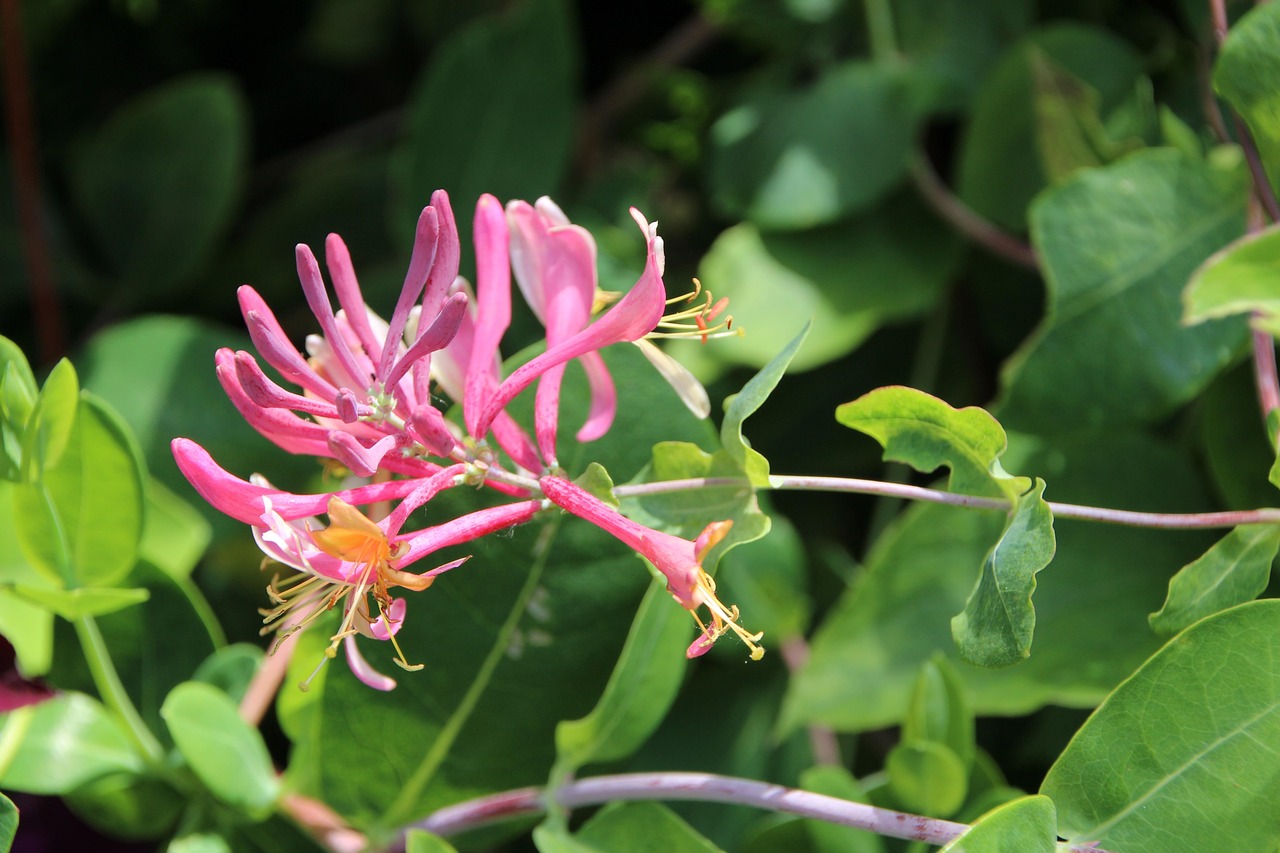
Honeysuckle Absolute Price Guide: Why True Florals Cost More
If you've ever searched for honeysuckle oil and felt confused by the wild swing in prices, you're not alone. A quick browse turns up $8 bottles sitting alongside $180 vials, and both claim to be the real thing. They are not the same product. Understanding honeysuckle absolute cost means understanding how the oil is made, where it comes from, and what corners get cut when the price looks too good to be true.
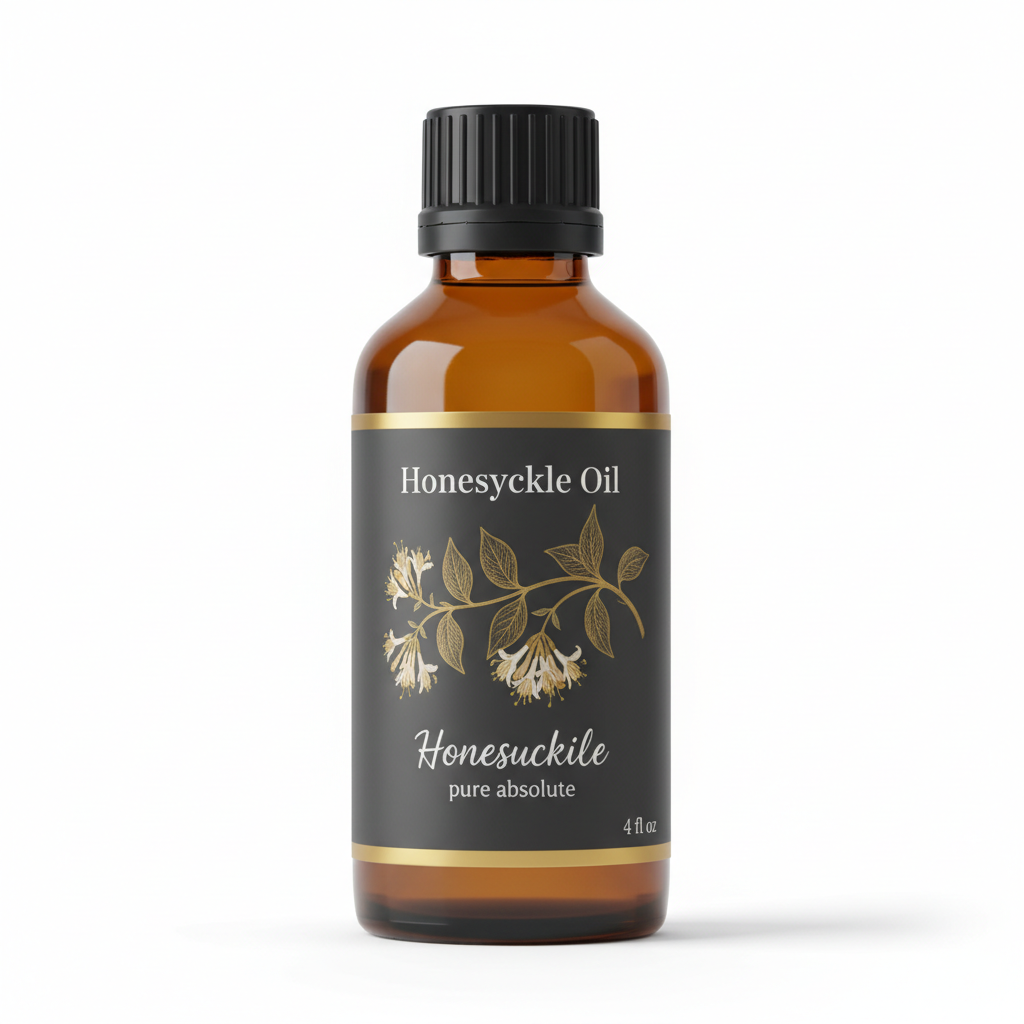
Honeysuckle Absolute
Our own Honeysuckle Absolute, in sizes from 0.5 oz to bulk.
From $13.99
Shop Now →This guide walks through every tier of the market, from budget fragrance blends to genuine solvent-extracted absolutes, so you can spend your money with confidence.
Why Honeysuckle Absolute Pricing Is So Different From Other Florals
Honeysuckle does not steam-distill well. The delicate aromatic compounds in the blossom degrade under heat before they can be captured effectively. That's why true honeysuckle oil is produced as an absolute: a solvent-extraction process that pulls the aromatic material from freshly harvested flowers, then removes the solvent to leave a concentrated, wax-free extract.
Compare this to lavender, which distills beautifully at scale. Lavender fields can yield a kilogram of essential oil per hundred kilograms of plant material. Honeysuckle absolute yields are far lower, labor costs are higher because blooms must be collected quickly at peak fragrance, and the extraction process itself requires more equipment and time. All of that compounds into absolute pricing that reflects genuine production costs.
When you see honeysuckle oil priced at $10 for a full ounce, you are almost certainly looking at a synthetic fragrance oil, a diluted blend, or a carrier-oil infusion labeled in a way that obscures what's actually inside.
The Three Main Product Types (and How to Tell Them Apart)
1. True Honeysuckle Absolute
Produced by solvent extraction, usually from Lonicera japonica or Lonicera caprifolium blossoms. The result is a thick, sometimes semi-solid material ranging from pale yellow to golden amber. The scent is rich, green-floral, and slightly honeyed, with real depth. Expect to pay between $40 and $200 per gram from reputable suppliers, depending on origin, batch quality, and whether the material is certified organic.
2. Diluted Honeysuckle Absolute
Many suppliers sell absolute pre-diluted in a carrier oil such as jojoba or fractionated coconut oil. A 3% or 5% dilution is common. This is not a lesser product: it's actually practical for most cosmetic and blending applications. Prices in this category typically run $15 to $60 per 5ml or 10ml bottle. Just make sure the supplier clearly states the dilution percentage. If they don't, ask before you buy.
3. Synthetic and Fragrance-Oil Products
These are not absolutes at all. They're lab-created aromatic compounds designed to approximate the scent of honeysuckle, often blended into a carrier oil or alcohol base. They can smell lovely and have a real place in candle-making, home fragrance, and body products. The problem arises when they're marketed without transparency, leaving buyers to assume they're purchasing botanical material. Prices here are low: often under $15 for an ounce.
For a deeper look at reading labels and understanding what botanical certification actually means, see our guide to organic and wildcrafted honeysuckle: what the labels really mean.
Quality Indicators: What to Look For
Price alone doesn't confirm quality. A high price tag can mean genuine scarcity and careful production. It can also mean a well-packaged synthetic with an inflated margin. Here's what to evaluate beyond the number on the listing.
- Latin name on the label. Genuine honeysuckle absolute will name the botanical species, typically Lonicera japonica. A label that says only "honeysuckle oil" or "honeysuckle fragrance" without a species name is a signal to dig deeper.
- Country of origin. Most honeysuckle absolute comes from China, where L. japonica is cultivated at scale. Some European material comes from France or Bulgaria. Neither origin is automatically superior, but the supplier should know and disclose it.
- Extraction method stated clearly. Look for "solvent extraction" or "absolute" on the product description. If the listing says "steam distilled honeysuckle," approach with skepticism. Genuine steam-distilled honeysuckle oil is extremely rare and often of limited aromatic quality.
- GC/MS testing available. Gas chromatography/mass spectrometry reports confirm the chemical profile of the oil. Reputable suppliers either publish these or provide them on request. A supplier who can't or won't share testing data is a red flag.
- Batch-specific information. Quality suppliers track harvests by year and batch. This is standard practice in the perfumery supply trade, and it's a sign that the supplier actually knows their product.
- Realistic viscosity and color. True honeysuckle absolute is viscous, not watery. If a "honeysuckle absolute" pours like water and has no color, it's almost certainly a synthetic or a very heavy dilution.
Key Features to Compare When Shopping
| Feature | What It Tells You | What to Look For |
|---|---|---|
| Botanical species | Confirms plant source | Lonicera japonica or L. caprifolium |
| Extraction method | Confirms production process | Solvent extraction / absolute |
| Dilution status | Affects usable volume and price-per-use | Percentage clearly stated (e.g., 3% in jojoba) |
| Origin country | Helps assess farming standards | Named country with farming detail if possible |
| Testing documentation | Confirms authenticity and purity | GC/MS report available on request or published |
| Supplier transparency | Reflects overall business integrity | Responsive, knowledgeable, honest about limitations |
Honeysuckle Absolute Price Guide by Tier
Budget Tier: Under $20
At this price point, assume you're buying a synthetic fragrance oil or a very dilute carrier-based infusion. That's fine if you need a honeysuckle scent for candles, soaps, or home fragrance. Just don't purchase expecting botanical absolute properties. Read the ingredient list carefully. If it says "fragrance" or "parfum" without botanical clarification, that confirms synthetic origin.
Mid-Range Tier: $20 to $80
This range covers most diluted honeysuckle absolutes from solid indie aromatics suppliers. A 5ml bottle of 3% honeysuckle absolute in jojoba from a transparent, testing-forward supplier typically lands here. This is the most practical tier for perfumers building accords, cosmetic formulators adding a floral note to a lotion, and home blenders who want genuine botanical character without purchasing undiluted absolute.
Look for suppliers who specialize in botanical aromatics rather than general wellness stores. Specialty suppliers tend to have better sourcing relationships and more accurate product descriptions.
Premium Tier: $80 to $200+
Undiluted honeysuckle absolute sold by the gram or in small quantities (1ml to 5ml) with full documentation. This is the territory of professional perfumers, serious hobbyists, and formulators who need to control their own dilution ratios. Expect a GC/MS report, batch number, and origin disclosure as standard. Some suppliers in this tier offer certified organic material, which adds to the cost but also to the traceability.
For those considering larger quantities for professional use, our wholesale honeysuckle absolute guide for perfumers covers bulk pricing structures and what to expect when ordering directly from importers or distillers.
Red Flags to Avoid
The honeysuckle category has more mislabeling than almost any other floral oil. These are the signals that should make you pause before purchasing.
- "Pure honeysuckle essential oil" at low prices. True honeysuckle essential oil produced by steam distillation in usable aromatic quality is exceptionally rare and expensive. A listing claiming pure steam-distilled honeysuckle essential oil at $15 for 10ml is almost certainly a fragrance oil using misleading language.
- No botanical species listed. Legitimate suppliers always name the plant. Omitting this detail is either carelessness or an attempt to obscure synthetic origin.
- Watery consistency described as absolute. If reviewer photos or supplier descriptions mention a thin, water-clear liquid being sold as "absolute," something doesn't add up.
- No testing data and no willingness to provide it. In the current botanical supply market, GC/MS testing is an industry standard expectation at the premium and mid-range tiers. A supplier who deflects or dismisses this question should be avoided.
- Vague sourcing language. Phrases like "wildcrafted from pristine natural environments" without a named country or region are marketing filler, not sourcing information.
- Marketplace listings with no brand presence. Generic listings on large marketplaces, with no brand website, no batch information, and suspiciously high review counts, deserve extra scrutiny. Search the brand name separately to see if they have a traceable business identity.
Where to Buy Honeysuckle Absolute
Specialty Aromatics Suppliers
Companies that focus specifically on botanical extracts for perfumery and cosmetics tend to maintain higher sourcing standards than general wellness retailers. Look for suppliers who publish their GC/MS data online, name their growers or sourcing regions, and have been operating for several years with a consistent product catalog. This segment of the market includes both large established importers and small-batch boutique suppliers.
Perfumery Supply Houses
Suppliers who serve professional perfumers stock genuine absolutes as a matter of course: their customers know the difference and will take their business elsewhere if quality slips. These suppliers often sell in smaller gram quantities alongside larger professional volumes, making them accessible to serious hobbyists as well.
Direct from Importers
For larger quantities, going directly to an importer who sources from Chinese or European producers can bring the per-gram cost down significantly. This route requires more due diligence on your part, but the savings at volume can be substantial. Our bulk guide for perfumers covers this process in detail.
What to Avoid
Large general marketplaces are convenient but inconsistent for botanical absolutes. The same platform can host excellent specialist sellers alongside unverifiable generic listings. If you use these platforms, research the seller independently before purchasing. A supplier with a real website, named staff, and a verifiable business history is a safer bet than an anonymous listing with identical stock photos to ten other sellers.
For a comprehensive overview of the full purchasing process, including questions to ask suppliers before committing, see our complete quality guide to buying honeysuckle oil.
Getting the Most From Your Purchase
Once you've sourced a genuine honeysuckle absolute, store it properly. Keep it in a cool, dark location away from direct sunlight and temperature fluctuation. Tightly sealed amber glass is ideal. Most absolutes remain stable for two to three years when stored well, though the scent profile can shift subtly over time as the material oxidizes.
If you're working with undiluted absolute, handle it carefully. A little goes a long way, and the cost-per-use of premium absolute is actually quite reasonable once you account for how sparingly it's used in blends and formulations.
A genuine honeysuckle absolute, used at 0.5% to 1% in a finished blend, can anchor a floral accord with a warmth and complexity that no synthetic fully replicates. The cost per bottle of finished product is often pennies. The price per gram of the raw material reflects the harvest, not the final application.
Knowing what you're buying, why it costs what it costs, and which signals separate genuine material from well-packaged substitutes gives you real purchasing power in a market that rewards informed shoppers. The honeysuckle oil price you pay should always make sense relative to what's actually in the bottle.