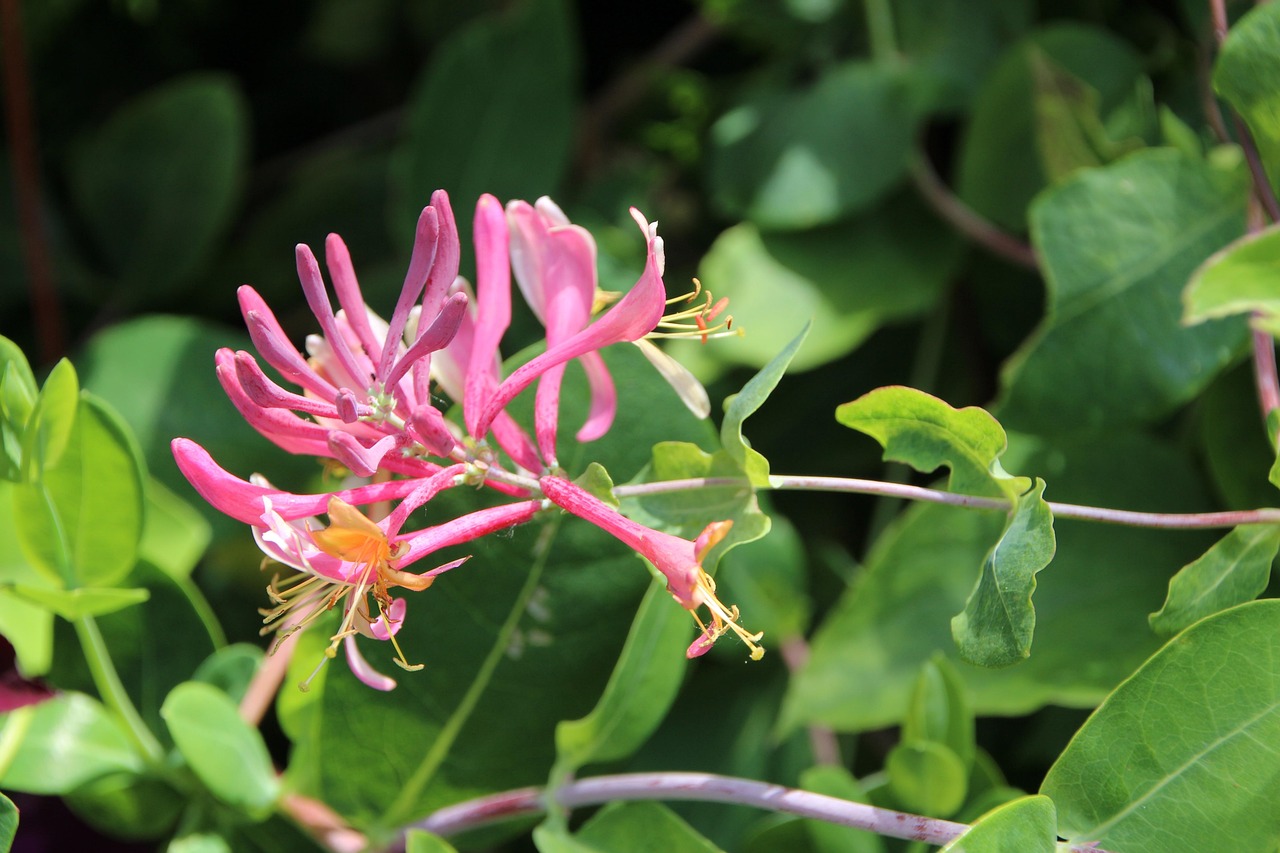
Buying Honeysuckle Oil: The Complete Quality Guide for Absolutes
Key Takeaways
- True honeysuckle absolute is extracted via solvent extraction, not steam distillation. A product labeled "honeysuckle essential oil" is almost certainly a fragrance blend.
- Expect to pay $30 to $120 per milliliter for a genuine, high-quality honeysuckle absolute. Prices far below this range signal a synthetic or diluted product.
- The most commercially significant species for quality absolutes are Lonicera japonica and Lonicera caprifolium. Always ask suppliers which species they use.
- Reputable suppliers provide a Certificate of Analysis (COA), Gas Chromatography-Mass Spectrometry (GC-MS) data, and clear solvent residue disclosure.
- Organic certification for honeysuckle absolute follows a different pathway than for essential oils. Understanding the distinction protects your purchasing decisions.
- Dilution in a carrier (jojoba or fractionated coconut oil) is standard for absolutes sold at consumer scale. Always confirm the concentration percentage.
What Is Honeysuckle Absolute? Understanding What You Are Actually Buying
The phrase "buy honeysuckle oil" covers a remarkably wide range of products, and not all of them are created equal. In fact, a significant portion of what is sold under that label has never touched a honeysuckle flower. Before you spend a dollar, it pays to understand exactly what a genuine honeysuckle absolute is, how it differs from the alternatives, and why the extraction method matters so much for quality and scent.
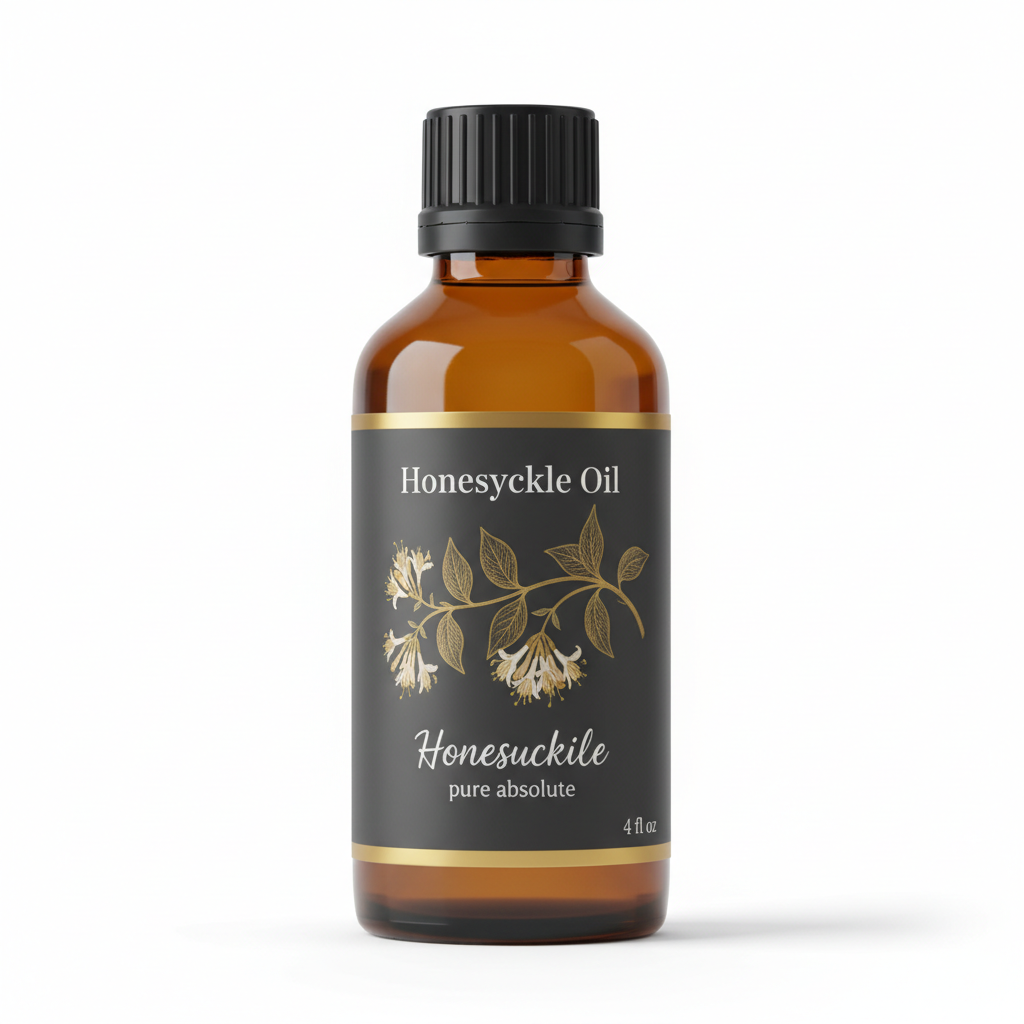
Honeysuckle Absolute
Our own Honeysuckle Absolute, in sizes from 0.5 oz to bulk.
From $13.99
Shop Now →The Extraction Reality: Why Steam Distillation Does Not Apply Here
Steam distillation is the method most people associate with essential oil production. Heat and steam pass through plant material, carrying volatile aromatic compounds into a condenser, where they separate from the water and are collected as an essential oil. This works beautifully for plants like lavender, eucalyptus, and peppermint, whose aromatic molecules are sturdy enough to survive the heat.
Honeysuckle blossoms are not built that way. Their delicate aromatic compounds degrade rapidly under heat, which means true steam-distilled honeysuckle essential oil essentially does not exist as a commercially viable, authentic product. If you see a bottle labeled "pure honeysuckle essential oil" at an affordable price, it is almost certainly a synthetic fragrance oil, a diluted blend, or a combination of both. Our deeper investigation into this issue is worth reading before you shop: spotting fake honeysuckle oil and why most bottles are not what they claim.
Solvent Extraction: The Real Process Behind a Quality Absolute
Honeysuckle absolute is produced through a two-stage solvent extraction process. In the first stage, a hydrocarbon solvent (historically hexane, though more modern operations are shifting toward food-grade ethanol or CO2 methods) washes the fresh blossoms to pull out the waxy, aromatic material. This waxy substance is called a concrete. It contains the aromatic compounds you want, but also plant waxes, pigments, and other non-volatile matter.
In the second stage, the concrete is washed again with high-proof ethanol. The alcohol captures the aromatic molecules while leaving behind the waxes. When the alcohol is then gently evaporated, what remains is the absolute: a thick, often viscous, intensely aromatic material that captures the living scent of honeysuckle blossom with remarkable fidelity.
This is an expensive, labor-intensive process. It requires large quantities of fresh flowers, careful handling, and controlled facilities. That expense is directly reflected in the final price of a genuine product, and it is one of the clearest indicators that very cheap products cannot be what they claim.
Honeysuckle Absolute vs. Honeysuckle Fragrance Oil: A Critical Distinction
Many consumers discover the difference between these two product categories only after purchasing. A fragrance oil is a synthetic or blended aromatic compound, often created in a lab to approximate the scent of honeysuckle. Fragrance oils are not without their uses in candle-making and bath products, but they are fundamentally different from a botanical absolute. For a detailed comparison of both options and how to choose based on your actual needs, see our guide on honeysuckle absolute versus honeysuckle fragrance oil.
Quality Markers: How to Evaluate Honeysuckle Absolute Before You Buy
Once you have confirmed that a product is an actual botanical absolute, the next question is quality. Not all honeysuckle absolutes are equal. Growing conditions, harvest timing, post-harvest handling, extraction technique, and storage all influence the final character of what arrives in your hands. Here is what to examine.
Scent Profile: What a Genuine Absolute Should Smell Like
A high-quality honeysuckle absolute has a layered, complex scent that unfolds over time on a scent strip or skin. The initial impression is typically sweet and floral, with a slightly green, almost dewy quality that recalls the blossom on the vine. As it develops, warmer, slightly honeyed undertones emerge. There may be a faint powdery note underneath. Some absolutes carry a delicate indolic quality, which is common in white floral absolutes and contributes to their sense of depth and warmth.
A flat, one-dimensional sweetness, an obviously synthetic character, or a sharp chemical top note are all red flags. Fragrance oils often smell more "perfect" and intense than real absolutes because they are engineered to project. A genuine absolute tends toward nuance rather than volume.
Color and Viscosity
Honeysuckle absolute typically ranges from pale yellow to golden amber in color. The exact shade varies by species, harvest year, and extraction method. Viscosity depends on temperature and dilution level. A pure, undiluted absolute is often quite thick at room temperature and may need gentle warming to become workable. Products that are sold as absolutes but pour freely at room temperature without any disclosed carrier are worth questioning.
If a supplier offers a sample before purchase, this is valuable. Scenting a sample on a blotter strip over several hours tells you far more than any label claim.
Purity and Dilution Disclosure
Because pure honeysuckle absolute is sold at such a high price per gram, most consumer-facing products dilute the absolute in a carrier oil, typically jojoba or fractionated coconut oil, at concentrations ranging from 3% to 10%. This is completely standard and not inherently a quality problem. The problem arises when this dilution is not clearly disclosed.
A reputable supplier will state the concentration on the label. If you see a 10 ml bottle priced at $15 with no mention of dilution or carrier, the product is almost certainly not a genuine absolute at any meaningful concentration. Look for clear language: "5% dilution in jojoba oil" or "10% absolute in fractionated coconut oil."
GC-MS Testing: The Gold Standard for Verification
Gas Chromatography-Mass Spectrometry analysis is the most reliable tool for confirming the composition of an aromatic material. GC-MS separates a sample into its constituent compounds and identifies each one, producing a profile that specialists can use to verify botanical origin, check for adulteration, and confirm solvent residue levels.
Reputable suppliers make GC-MS reports available to customers, either on their website or upon request. You do not need to be a chemist to use this information. The act of a supplier providing this documentation is itself a quality signal. Key compounds to look for in honeysuckle absolute analysis include linalool, benzyl alcohol, eugenol, and various terpene constituents, though exact profiles vary by species and origin.
Solvent Residue Disclosure
Because absolutes are produced via solvent extraction, residual solvent levels are a legitimate quality and safety concern. High-quality producers test for residual solvents and can provide data showing levels are within accepted cosmetic safety thresholds. Ask your supplier directly if this information is not provided upfront. Producers using CO2 extraction or ethanol extraction as primary solvents may highlight this as a differentiator, and it is a relevant one, particularly for customers with sensitivities or those formulating products for sensitive populations.
Reading Labels and Documentation: The Paper Trail of a Genuine Absolute
A label tells you a great deal if you know what to look for. The documentation that accompanies a product from a serious supplier tells you even more. Here is a practical breakdown of what to read and why.
What the Label Should Include
| Label Element | What to Look For | Red Flag |
|---|---|---|
| Product type | "Absolute" clearly stated | "Essential oil" label on a floral from honeysuckle blossoms |
| Botanical name | Lonicera japonica or Lonicera caprifolium | No botanical name at all |
| Plant part | Flower / Blossom | Not specified |
| Country of origin | China, France, India, or other named origin | "International blend" or no origin listed |
| Extraction method | Solvent extraction, CO2 extraction | "Steam distilled" (not possible for genuine blossom absolute) |
| Dilution information | "X% in [carrier oil]" clearly stated | No mention of carrier when price suggests dilution is likely |
| Lot or batch number | Present and traceable | Absent |
| Best before / Shelf life | Stated clearly | Not mentioned |
The Certificate of Analysis (COA)
A Certificate of Analysis is a document prepared by a third-party laboratory or an in-house quality control team that reports the results of testing on a specific batch. A COA for honeysuckle absolute should include specific gravity, refractive index, optical rotation, and ideally GC-MS compound data. Lot numbers on the COA should match the lot number on the product label. If a supplier cannot produce a COA for the specific batch you are purchasing, that is a meaningful gap.
Safety Data Sheets and IFRA Compliance
If you are purchasing honeysuckle absolute for use in formulating perfumes, cosmetics, or personal care products, ask whether the supplier can provide an IFRA (International Fragrance Association) compliance statement. IFRA guidelines specify usage limits for aromatic materials in various product categories based on safety evaluations. A supplier working with professional formulators should have this documentation ready.
Sourcing and Species: Where Honeysuckle Absolute Comes From and Why It Matters
Honeysuckle is a large genus with hundreds of species distributed across Asia, Europe, and North America. Not all species are used for absolute production. Growing region, climate, soil, and harvest practices all shape the aromatic character of the final material. Understanding origin is part of buying intelligently.
The Key Species for Absolute Production
Lonicera japonica (Japanese honeysuckle) is the most widely used species for commercial absolute production. It grows prolifically in China, where it is cultivated both for the aromatic trade and for traditional uses. The flowers are harvested in the early morning before they fully open, which is when aromatic compound concentration is highest. The resulting absolute tends to be intensely sweet and richly floral with warm honeyed notes.
Lonicera caprifolium (Italian honeysuckle, or goat-leaf honeysuckle) is the species most associated with European cultivation, particularly in France. Its scent profile is considered by many perfumers to be more nuanced and complex than its Japanese counterpart, with greener top notes and a more restrained sweetness. It is less commonly available and typically commands a higher price.
Other species are occasionally used regionally, but these two represent the vast majority of commercially available honeysuckle absolute. When a supplier does not specify which species their material derives from, that is a gap worth filling with a direct question.
Growing Regions and Their Aromatic Signatures
Chinese-origin Lonicera japonica absolute dominates global supply. Production is concentrated in Shandong, Henan, and Hebei provinces, where large-scale cultivation supports a consistent harvest. The aromatic character is full and expansive.
French Grasse, historically the center of European flower absolute production, has produced small quantities of Lonicera caprifolium absolute, though production is limited and expensive. Material from Grasse carries significant prestige in fine fragrance circles, and prices reflect that.
Indian production of honeysuckle absolute exists in smaller quantities, with operations in Tamil Nadu and Karnataka. Indian-origin material can be excellent quality when sourced from reputable distillers with strong agricultural practices.
Harvest Timing and Its Impact on Quality
The window for peak honeysuckle blossom harvest is narrow, typically just a few weeks in late spring to early summer depending on climate. Blossoms harvested too early or too late yield material with a different, often flatter aromatic profile. Morning harvests before the sun climbs high are standard practice among quality producers, as heat accelerates aromatic compound degradation even before extraction begins.
Some suppliers include harvest date information with their material. This level of transparency is a positive sign and allows serious formulators to select material by vintage, much as one might approach purchasing fine fragrance ingredients.
Price Benchmarks and Value Assessment: What You Should Expect to Spend
Price is one of the most useful quality signals when buying honeysuckle absolute, but it requires context to interpret correctly. A price that is too low almost always indicates a problem. A price that is very high is not automatically a guarantee of quality. Here is how to think about what you are paying for. For a fully detailed breakdown with current market data, visit our honeysuckle absolute price guide and why true florals cost more.
The Cost Structure Behind the Price Tag
Producing honeysuckle absolute requires an enormous quantity of fresh blossoms. Estimates vary by source and method, but figures in the range of 500 to 1,000 kilograms of fresh flowers per kilogram of absolute are cited by industry sources. Blossoms must be harvested by hand during a short seasonal window and processed quickly. Labor costs are substantial even in lower-wage growing regions.
Add to this the cost of extraction facilities, solvents, quality testing, storage, and international freight, and it becomes clear why genuine honeysuckle absolute costs what it does. The math does not support a $10 bottle of "pure honeysuckle oil" in any 10 ml size.
Consumer Market Price Ranges
| Product Type | Approximate Price Range | Notes |
|---|---|---|
| Honeysuckle fragrance oil (synthetic) | $3 to $15 per 10 ml | Not a botanical absolute. Useful for other applications. |
| Honeysuckle absolute, 3-5% dilution in carrier | $15 to $35 per 5 ml | Appropriate consumer-scale format. Confirm carrier and concentration. |
| Honeysuckle absolute, 10% dilution in carrier | $30 to $60 per 5 ml | Higher concentration, suitable for perfumery applications. |
| Honeysuckle absolute, neat (undiluted) | $40 to $120 per 1 ml | Professional grade. Verify with COA and GC-MS. |
| Grasse or premium European origin, neat | $80 to $200+ per 1 ml | Rare. Prestige provenance. Verify documentation carefully. |
These figures represent a reasonable range based on current market conditions and are intended as orientation rather than fixed benchmarks. Prices shift with harvest conditions, currency fluctuations, and supply chain costs.
Comparing Honeysuckle to Other White Floral Absolutes
If you are weighing honeysuckle absolute against similar white florals for fragrance work, it helps to understand where it sits in the broader market. Jasmine absolute, particularly Jasminum sambac from India or Jasminum grandiflorum from Egypt and France, is often used as a point of comparison. Both are expensive, labor-intensive botanical absolutes with overlapping aromatic territory. For a thorough side-by-side comparison, our guide on honeysuckle versus jasmine absolute covers the aromatic differences, price considerations, and when to choose each.
Where to Buy Honeysuckle Oil: Evaluating Suppliers with Confidence
The market for honeysuckle absolute spans artisan suppliers, specialty fragrance ingredient houses, large wholesale distributors, and general marketplace platforms. Each has distinct trade-offs. Here is how to approach each channel.
Specialty Aromatic Ingredient Suppliers
These businesses focus specifically on botanical aromatic materials for perfumery and cosmetic formulation. They typically maintain the most rigorous documentation standards (COA, GC-MS, IFRA statements), carry a curated selection of properly sourced absolutes, and are staffed by people who can answer detailed technical questions. They may not always be the lowest price per unit, but the reduced risk of purchasing an adulterated or mislabeled product is valuable.
Look for suppliers who have been operating for several years, who publish batch-specific COA data on their website, who disclose their sourcing partners or growing regions, and who offer samples before larger purchases. Membership or affiliations with industry bodies such as the Natural Perfumers Guild or the National Association for Holistic Aromatherapy can also indicate a commitment to quality standards.
Wholesale and Bulk Suppliers for Professional Formulators
If you are purchasing honeysuckle absolute for use in production-scale perfumery, cosmetic formulation, or product manufacturing, wholesale sourcing makes economic sense. Bulk pricing typically begins at quantities of 100 grams or more for absolutes, with meaningful price breaks at 500 grams and 1 kilogram. Our wholesale honeysuckle absolute guide for perfumers covers everything you need to know about working at volume, including what supplier relationships to cultivate and how to evaluate minimum order quantities.
General Marketplace Platforms
Platforms like Amazon or Etsy carry honeysuckle-labeled products, and the quality range is extreme. You will find everything from legitimate small-batch absolutes from skilled artisan distillers to synthetic fragrance oils sold with botanical-sounding language. The lack of standardized documentation requirements on these platforms puts more research burden on the buyer.
If you choose to purchase through a marketplace, apply the same checklist: botanical name present, extraction method disclosed, dilution percentage stated, reviews that mention scent complexity and authenticity rather than just "smells nice." Request COA documentation before purchase. Sellers who cannot or will not provide it should be passed over.
Questions to Ask Any Supplier Before Purchase
- What is the botanical species (Lonicera japonica, Lonicera caprifolium, or other)?
- What is the country of origin and growing region?
- What extraction method was used?
- Is this product diluted, and if so, what is the concentration and carrier?
- Can you provide a Certificate of Analysis for this specific batch?
- Can you provide GC-MS data?
- What are the residual solvent test results?
- Do you offer samples for evaluation before a full purchase?
- What is your return or satisfaction policy if the product does not match description?
Organic and Wildcrafted Honeysuckle: Decoding the Label Claims
Organic and wildcrafted are two of the most appealing terms in the natural products market, and they are also two of the most frequently misapplied. When it comes to honeysuckle absolute specifically, these terms deserve careful scrutiny. Our full examination of what certification really means in this category is available in our guide to organic and wildcrafted honeysuckle and what the labels really mean.
What "Organic" Actually Means for an Absolute
For an agricultural ingredient to carry a certified organic designation in markets like the United States (USDA) or Europe (EU Organic), the farming operation must be certified by an accredited body. The certification covers soil inputs, pest management, and handling practices at the farm level.
For an absolute, there is an additional layer: the extraction process itself. Some certification standards require that solvents used in extraction also meet organic criteria. Ethanol used in the secondary extraction stage, for example, would need to be certified organic for the final product to carry a full organic claim through some certification frameworks.
The practical result is that certified organic honeysuckle absolute is genuinely available but is less common than the label "organic" on a product might suggest. Some products carry an "organic" descriptor because the source flowers were grown organically even if the full processing chain was not formally certified. Ask your supplier to specify: is this certified organic by a named certifying body, and if so, which one? A certificate number should be available.
Wildcrafted Honeysuckle: Romantic Label, Practical Questions
Wildcrafted means the plant material was harvested from wild or semi-wild populations rather than cultivated fields. For some botanicals, wildcrafting is associated with superior aromatic complexity because wild plants may develop richer aromatic profiles in response to diverse growing conditions.
Wildcrafted honeysuckle raises some important questions, however. Consistent supply and volume are more difficult to maintain from wild harvest. Sustainability depends entirely on how the harvesting is managed; irresponsible wildcrafting depletes wild populations. Regulatory status of the species in the harvest region matters, particularly for Lonicera japonica, which is considered invasive in parts of North America and may have different regulatory status across regions.
If a supplier is selling wildcrafted honeysuckle absolute, ask about the sustainability practices in place, the harvest region, and whether any regulatory compliance documentation is available. Responsible suppliers in this space have thought through these questions and welcome them.
Chemical-Free vs. Certified Organic: Not the Same Thing
Some suppliers use language like "chemical-free," "natural," or "grown without pesticides" without holding formal organic certification. This language is not inherently dishonest, but it is unverified. A formal third-party certification provides a layer of accountability that a self-declared label does not. Weight claims accordingly and price them accordingly when comparing options.
Using Your Absolute: Dilution, Safety, and Getting the Most from Every Drop
A quality honeysuckle absolute deserves thoughtful use. Whether you are incorporating it into a personal fragrance, a cosmetic formulation, or simply diffusing it to create atmosphere, understanding the basics of safe use protects both you and the integrity of the material.
Always consult a qualified healthcare provider or licensed aromatherapist before using any botanical aromatic material if you are pregnant, nursing, managing a health condition, or giving the product to children. The information here is educational and does not substitute for professional guidance.
Dilution: The Non-Negotiable Starting Point
Honeysuckle absolute in undiluted form is highly concentrated. Direct skin application of neat absolute is not recommended. The industry-standard dilution guidelines from IFRA and the general aromatherapy community suggest the following as orientation points for cosmetic applications, though individual formula context and the specific COA of your material should inform your actual use levels:
- Perfume (leave-on, apply to skin): Typically 0.5% to 2% absolute in a carrier medium for a diluted absolute at 10% concentration. Always check IFRA guidelines for your specific application category.
- Body lotion or cream: Start at 0.5% or lower and assess for skin response.
- Bath and body products (rinse-off): Lower concentrations appropriate given skin contact duration.
- Diffuser use (aroma only, no skin contact): Follow manufacturer recommendations for your specific device, using the absolute diluted in a suitable medium.
Patch Testing: A Non-Optional Step
Before applying any product containing honeysuckle absolute to a larger skin area, perform a patch test. Apply a small amount of the diluted product to the inner forearm and leave it undisturbed for 24 hours. If you notice any redness, irritation, or discomfort, discontinue use and consult a qualified healthcare provider before proceeding. This step applies even if you have used other botanical absolutes without issue, as individual responses vary by material and individual physiology.
Storage: Protecting Your Investment
Honeysuckle absolute is sensitive to heat, light, and oxygen, which degrade the aromatic compounds over time. Store your absolute in a tightly sealed amber or dark glass container away from direct sunlight and heat sources. A cool, dark cabinet works well for most home storage situations. If you have purchased a larger quantity than you will use within a few months, refrigerated storage in a sealed container is worth considering, though allow the material to come to room temperature before opening to avoid condensation.
Most honeysuckle absolutes have a shelf life of two to three years when properly stored. Products diluted in carrier oils may have a shorter effective life depending on the carrier's own oxidation rate. Jojoba oil has an exceptionally long shelf life and is a common choice for this reason.
Blending with Honeysuckle Absolute
In perfumery, honeysuckle absolute is valued as a heart note with strong bridging ability. It connects floral top notes to warmer, resinous bases with a naturalness that synthetic honeysuckle accords rarely achieve. It blends particularly well with other white florals, soft musks, light woods such as sandalwood or cedarwood, and citrus notes in the top. A small percentage in a blend goes a long way given its intensity.
For cosmetic formulators, the primary consideration beyond dilution is compatibility with other formula components. A test batch at small scale, properly documented, is always the right starting point before scaling to full production.
Bringing It All Together: A Practical Buying Framework
The world of honeysuckle absolute is full of genuine beauty. It is also full of shortcuts, mislabeled products, and marketing language that sounds authoritative but reveals little on closer examination. The goal of this guide is to give you the background to buy with clarity rather than hope.
Start with the extraction method. If a product claims to be steam distilled honeysuckle essential oil and is priced at consumer levels, move on. Confirm the botanical species, the country of origin, and the dilution percentage before comparing prices. Request documentation, at minimum a COA and ideally GC-MS data, from any supplier you are considering for repeated or professional purchasing.
Price your expectations honestly. A product priced in line with the true cost structure of producing honeysuckle absolute from fresh blossoms through careful extraction and testing is not overpriced. It is correctly priced. Bargains in this category are almost never bargains in reality.
Once you have found a supplier whose documentation holds up, whose scent profile matches what a genuine absolute should deliver, and whose pricing makes sense for what they claim to be selling, you will have something worth protecting. Store it well, dilute it carefully, and use it thoughtfully. The complexity of a real honeysuckle absolute, the actual scent of summer evenings captured in a vial, repays the effort of finding it.
For any questions about specific products, application rates for your formulation goals, or supplier evaluation, connecting with a certified aromatherapist or a qualified fragrance specialist is always a worthwhile step. Professional guidance helps ensure both the safety and the success of your work with these materials.