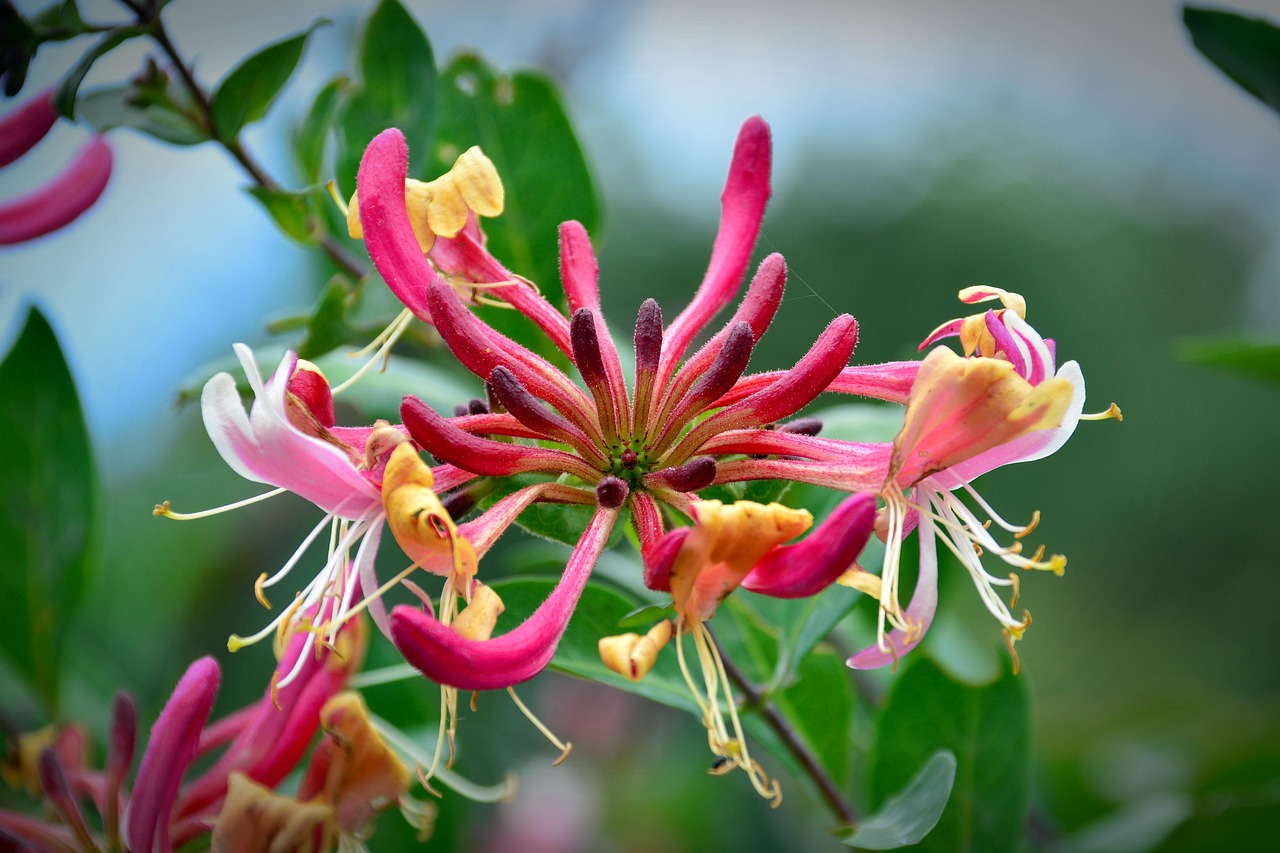
Honeysuckle for Summer Evenings: Warm-Weather Fragrance Ideas
There is a particular quality to early summer evenings that is almost impossible to replicate any other time of year. The heat softens. The light goes amber. And if you have ever walked past a honeysuckle vine in late June, you already know what the air can smell like: sweetly floral, faintly green, with a warm, almost syrupy depth that seems to belong entirely to that hour. It is no surprise that honeysuckle summer scent has become one of the most searched fragrance topics as temperatures climb.
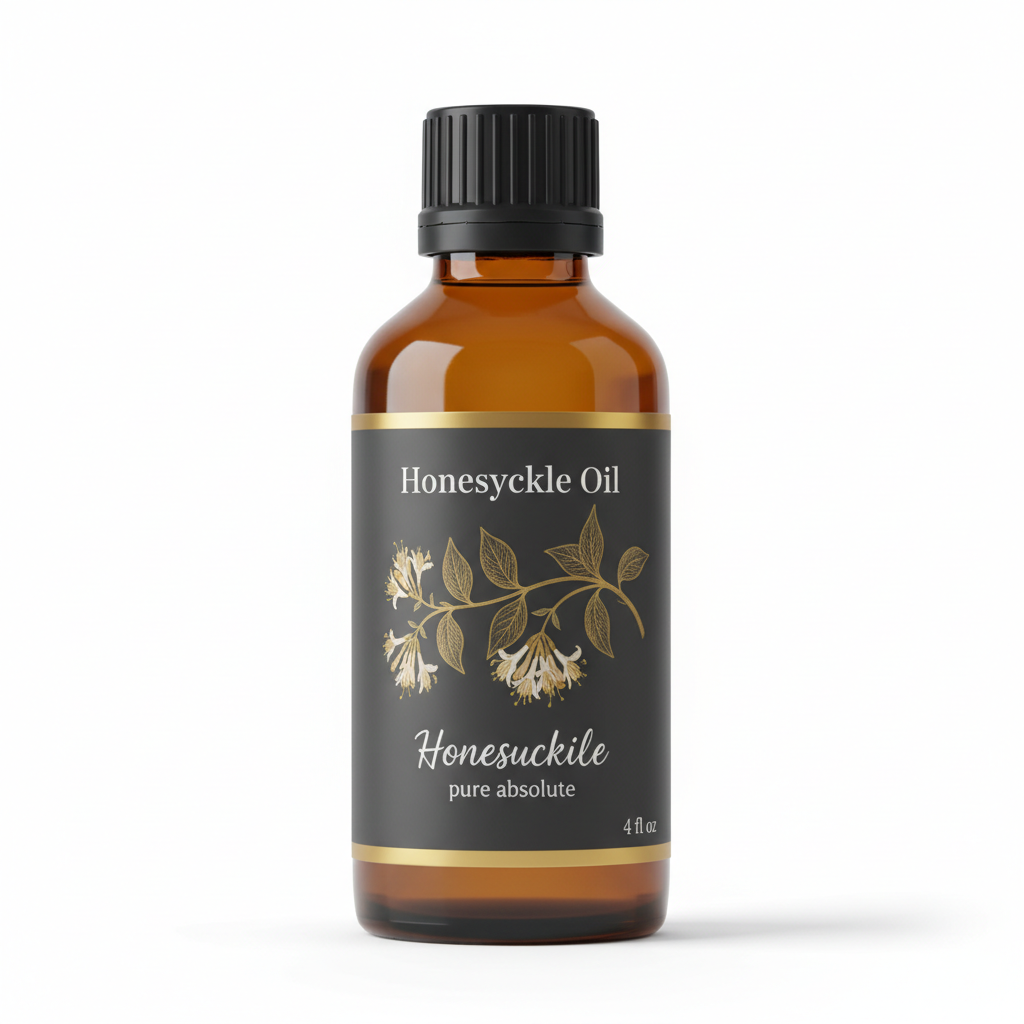
Honeysuckle Absolute
Our own Honeysuckle Absolute, in sizes from 0.5 oz to bulk.
From $13.99
Shop Now →This guide is for anyone who wants to bring that feeling indoors, wear it, or layer it into a broader warm-weather fragrance practice. We will cover blending ideas, diffuser approaches, and practical tips for getting the most from honeysuckle oil across the full arc of the summer season.
Why Honeysuckle Belongs in Your Summer Rotation
Fragrance is deeply seasonal, even if we do not always think about it consciously. The heavy, resinous blends that feel grounding in winter can turn cloying the moment temperatures hit 80 degrees. Summer calls for something different: lighter sillage, fresher top notes, and a warmth that feels earned rather than forced.
Honeysuckle sits at an interesting crossroads for warm-weather fragrance. It is floral without being powdery. It carries sweetness without the weight of vanilla or benzoin. And it has a faintly green, almost viney character that connects it to the outdoor world in a way that makes it feel genuinely summery rather than generic.
From a blending perspective, honeysuckle oil tends to behave as a heart note with a relatively soft dry-down. It diffuses well in heat, which means wearing it on a warm evening actually works in its favor. The skin's warmth lifts the scent gradually rather than releasing it all at once.
If you want to understand the deeper context behind this plant's long fragrance history, our guide to the symbolism of honeysuckle: meaning, mood, and modern ritual is worth reading alongside this one. It adds useful background on why certain scent associations run so persistently through summer memory and seasonal ritual.
Building a Summer Perfume Blend Around Honeysuckle
A good summer perfume blend does not need to be complex. Some of the most wearable warm-weather fragrances are built from just three or four materials. The key is understanding which notes support honeysuckle without competing with it.
Classic Floral Pairings
Honeysuckle pairs naturally with other warm-season florals. Jasmine absolute adds richness and a slight indolic quality that reads as deeply summery on the skin. Neroli contributes a sparkling citrus-floral brightness that keeps the blend from feeling too heavy. Rose otto, used sparingly, rounds out the floral heart without dominating.
A simple starting point: combine honeysuckle with a small amount of neroli and a drop of ylang ylang for a blend that feels like a garden in full evening bloom. Ylang ylang should be used cautiously and at low percentages, as it can overpower other materials quickly.
Green and Fresh Accords
One of the most appealing directions for a honeysuckle summer scent is to lean into the green, slightly dewy quality that honeysuckle already carries. Violet leaf absolute, galbanum, and litsea cubeba all complement this character. These notes suggest cut stems, damp earth after a warm-day rain, and the particular freshness of outdoor air after sunset.
For a more contemporary, almost aquatic warmth, try adding a touch of ambrette seed or a small proportion of linalool-rich lavender. The result reads as clean and modern while still being grounded in something recognizably floral.
Woody and Musky Bases
The base of a summer blend matters more than people often realize. Heavy bases drag a scent down and can feel uncomfortable on warm skin. Lighter options work better here. Sandalwood provides a creamy, smooth foundation that extends honeysuckle without adding weight. Cedarwood atlas contributes a dry, slightly aromatic quality. Amyris, sometimes called West Indian sandalwood, is a particularly useful budget-friendly base that blends quietly and smoothly.
For a complete, guided deep dive into proportions, complementary materials, and technique, see our full resource on blending with honeysuckle: the ultimate floral perfumery guide. It covers dilution math, blending strips, and how to evaluate a blend across its development on the skin.
Warm Evening Fragrance: Diffuser Approaches for Summer
Wearing a scent is one avenue. Diffusing it into a space is another, and the two create quite different experiences. A warm evening fragrance in the diffuser is about atmosphere: the feeling of walking into a room and having a sensory cue that this is a particular kind of evening.
Choosing Your Diffuser Method
In summer, ultrasonic diffusers have one advantage: they add a small amount of humidity to the air along with scent, which can feel refreshing in hot, dry conditions. Reed diffusers work well for consistent, low-level background scent and require no heat or electricity. Passive diffusion, simply placing a few drops on an unglazed terracotta disk or a cotton ball near an open window, works beautifully in rooms where natural airflow is available.
Avoid placing any diffuser in direct sunlight, as UV exposure can degrade both the oil and the diffuser material over time.
A Honeysuckle Evening Blend for the Diffuser
This proportional blend is designed to evoke a summer garden at the end of the day. It is light enough not to overwhelm a small room but substantial enough to fill a larger open living space.
- Honeysuckle oil: 4 parts (the primary floral note)
- Bergamot: 3 parts (lifts the blend and adds a citrus brightness)
- Cedarwood atlas: 2 parts (quiet woody foundation)
- Geranium: 1 part (bridges the floral and green registers)
Start with a smaller total volume and adjust the proportions to suit your space and preference. Scent perception varies significantly between individuals, so use any recipe as a starting point rather than a fixed formula.
For a more elaborate diffuser recipe with backstory and context, visit our dedicated article on a signature honeysuckle dusk blend for the diffuser. It was developed specifically with summer evenings in mind.
Seasonal Variations: Early, Mid, and Late Summer
Summer is not a single note. It shifts across its own arc, from the fresh, optimistic quality of early June through the deep, almost saturated warmth of August. A fragrance approach that works in late spring may feel slightly misaligned by midsummer. Here is how to think about adjusting your honeysuckle blends across the season.
Early Summer (Late May to Mid-June)
The air still carries memory of spring. Green notes, light citrus, and fresh florals all feel appropriate here. Lean toward brighter pairings: neroli, petitgrain, and a lighter dilution of honeysuckle that lets the freshness come forward. This is the most versatile time of year for honeysuckle in a daytime context.
Midsummer (Late June to July)
This is the peak of honeysuckle season in most northern hemisphere climates, and the fragrance profile can afford to be more confident. Richer floral pairings, a slightly deeper base, and a higher overall concentration all work here. The evenings are long and warm. This is when a full summer perfume blend, worn on warm skin, performs at its best.
Late Summer (August)
The shift is subtle but real. There is a slightly drier, more golden quality to August evenings. Warm resinous notes start to feel appropriate again. Try adding a small amount of benzoin or labdanum to your honeysuckle base as a bridge toward the autumn season. This creates a scent that still reads as summer but has a little more gravity to it.
Practical Tips for Wearing Honeysuckle in the Heat
Warm weather changes how fragrance behaves on the skin. Keep these points in mind when working with any skin-contact application of honeysuckle oil.
- Dilute properly. Honeysuckle oil for skin application should always be diluted in a suitable carrier oil. A standard starting dilution for most adults is around 2 percent, which equals roughly 12 drops of essential oil per ounce of carrier. Do not apply undiluted oils directly to skin.
- Patch test before use. Apply a small amount of your diluted blend to the inside of the wrist or elbow and wait 24 hours before broader application. Discontinue use if any sensitivity occurs.
- Consider photosensitivity. Some citrus oils used as top notes in summer blends, particularly expressed bergamot, may increase skin sensitivity to sunlight. Use furocoumarin-free versions of citrus oils if applying before sun exposure, or reserve blends containing expressed citrus for evening wear.
- Store oils carefully in summer. Heat and light degrade essential oils faster than cold and dark. Keep your bottles away from windowsills and out of cars during warm months.
- Consult a qualified healthcare provider before using essential oils if you are pregnant, nursing, or have any existing sensitivities or conditions.
Fragrance Layering: A Summer Approach
Layering fragrance is a technique that allows you to build a more complex and personal scent profile than a single oil can provide. In summer, the goal is usually to keep the overall effect feeling light and airy even when working with multiple materials.
A practical layering sequence for a honeysuckle-centered warm evening fragrance might work like this. Start with an unscented lotion or a light jojoba oil on clean, slightly damp skin. Apply your honeysuckle-based blend to pulse points: wrists, inner elbows, the base of the throat. Wait a few minutes, then add a separate citrus or green single note on top if you want more brightness in the opening. The citrus will fade first, leaving the honeysuckle heart to develop through the evening.
This is a low-cost way to experiment with complexity before committing to a fully blended formula. It is also reversible, in the sense that you can try different combinations on different evenings without mixing anything permanently.
A Note on Sourcing for Summer Use
Not all honeysuckle oils are produced equally, and summer is an excellent time to pay attention to what you are buying. Look for suppliers who are transparent about the species used (Lonicera japonica is the most commonly distilled), the country of origin, and whether the oil is a true absolute, an enfleurage product, or a CO2 extract. Each method produces a different scent profile and behaves differently in blending and diffusion.
A high-quality honeysuckle absolute will have a soft, creamy floral quality with a slightly green, honeyed undertone. Synthetic versions are widely available and perfectly usable in many contexts, but the natural character of a well-sourced absolute adds a dimension that is difficult to replicate with aroma compounds alone.
Summer evenings are short. They deserve fragrance that earns its place in them. Honeysuckle, in its best form, does exactly that.