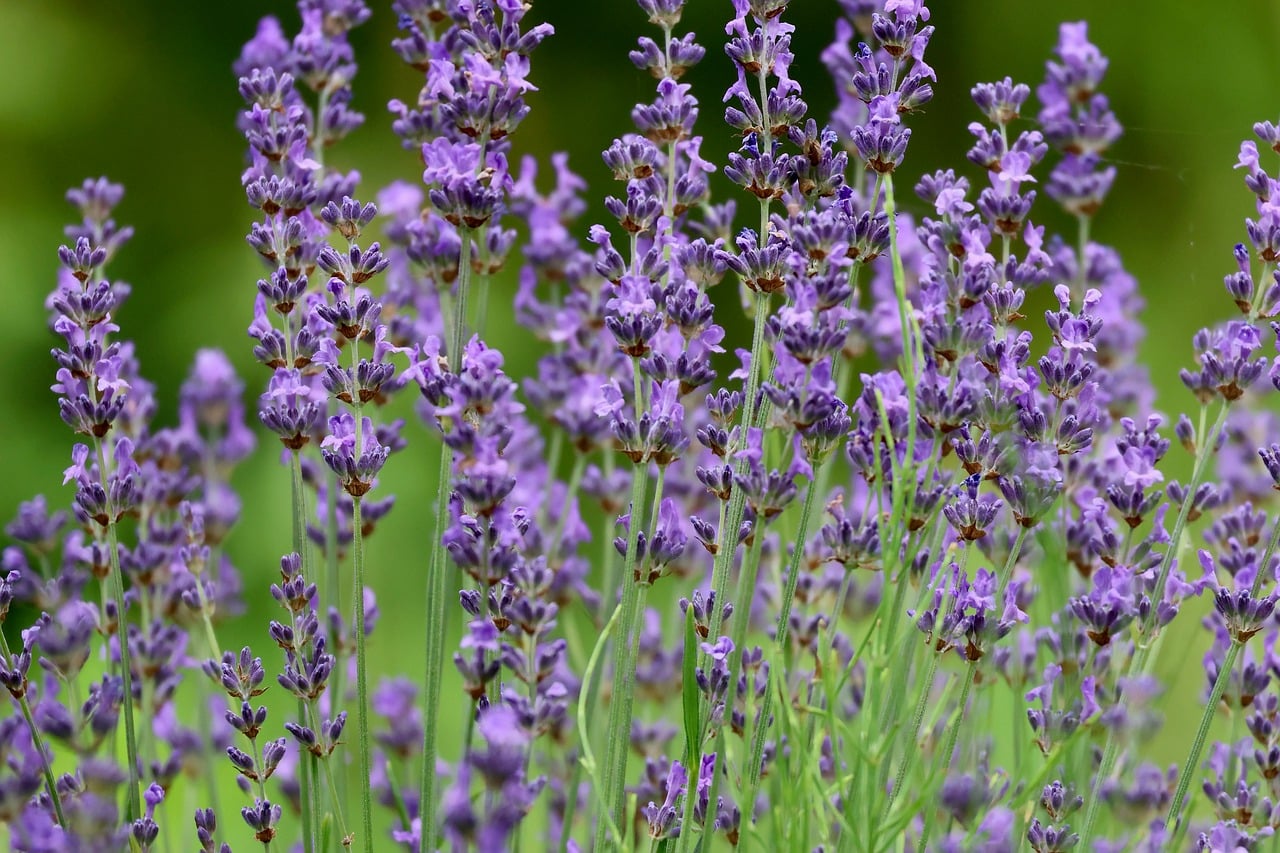
Honeysuckle in Story and Garden: A Short History
Few plants carry as much accumulated meaning as honeysuckle. Its fragrance stops people mid-stride. Its vines have been threading through garden walls and orchard fences for centuries, and its flowers have ended up in poetry, wedding bouquets, folk stories, and perfume laboratories alike. Understanding where honeysuckle comes from, what it has meant to different cultures, and what modern researchers have found inside its blossoms helps explain why this plant endures as a perfumery ingredient long after many botanical fashions have faded.
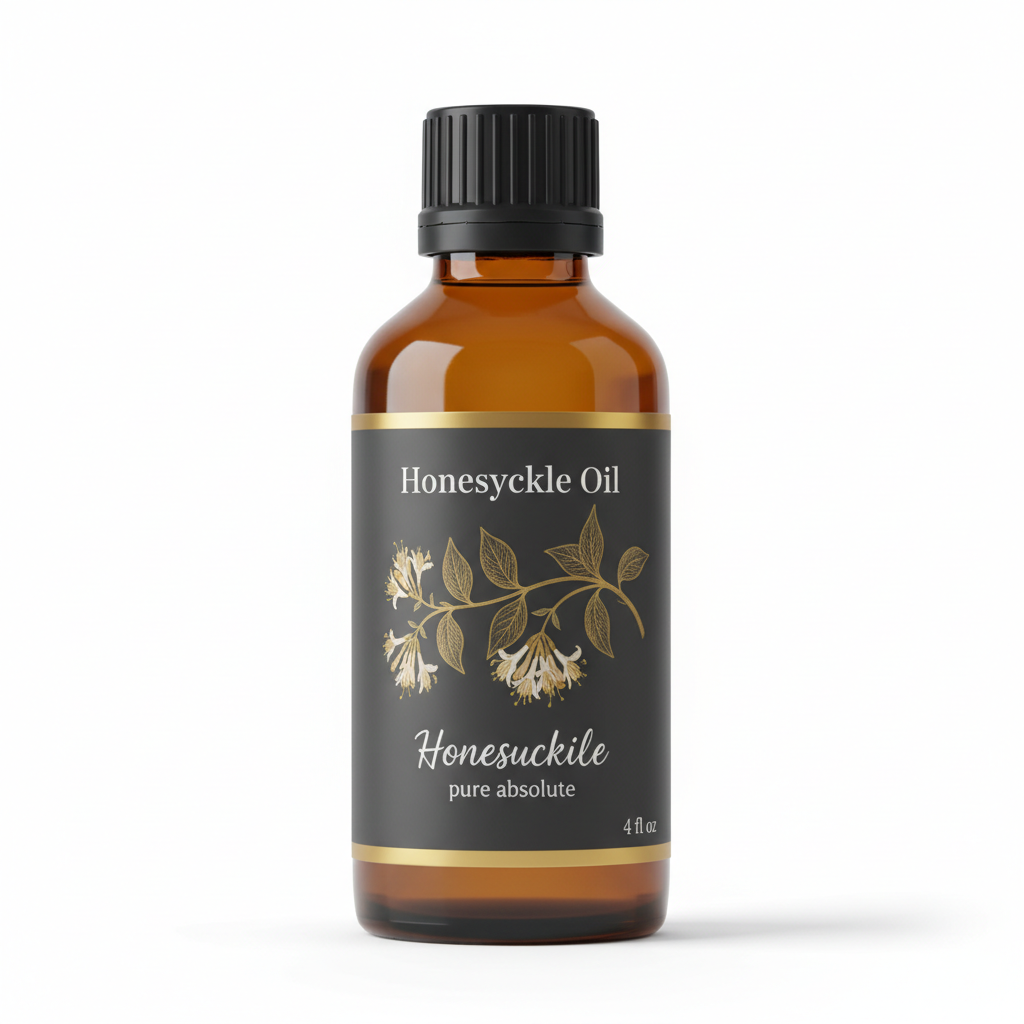
Honeysuckle Absolute
Our own Honeysuckle Absolute, in sizes from 0.5 oz to bulk.
From $13.99
Shop Now →A Genus With Deep Roots
Honeysuckle belongs to the genus Lonicera, named in 1753 by Carl Linnaeus in honor of the German botanist Adam Lonicer. The genus includes roughly 180 species, spread across the Northern Hemisphere from China and Japan through Europe and into North America. Not all of them are the climbing, fragrant, cream-and-yellow flowered plant most people picture. Some are shrubby. Some have little scent at all. The species that perfumers and aromatics enthusiasts care most about are the fragrant climbers: principally Lonicera japonica (Japanese honeysuckle), Lonicera caprifolium (Italian honeysuckle), and Lonicera periclymenum (European woodbine).
Lonicera periclymenum is the species most embedded in Western European folklore and garden history. It is native to the British Isles and continental Europe, and it has been cultivated in cottage gardens since at least the sixteenth century. Lonicera japonica, meanwhile, is the species most associated with traditional East Asian botanical knowledge and, today, with large-scale commercial cultivation for both the fragrance industry and herbal markets.
Honeysuckle Folklore: What the Vine Has Meant
Honeysuckle folklore is extraordinarily consistent across cultures that had no contact with one another. The vine's clinging, spiraling growth made it a near-universal symbol of bonds: affection, devotion, and the kind of loyalty that persists through difficulty. In Celtic traditions, the plant was associated with the otherworld and with fidelity. Bringing honeysuckle into the home was sometimes believed to protect against harm and to encourage vivid dreams. Placing the flowers near a doorway was said to invite good fortune indoors.
In English folk tradition, young people would carry honeysuckle flowers as a token of romantic constancy. Shakespeare referenced "honeysuckles" as part of the lush, enchanted landscape of A Midsummer Night's Dream, linking the plant firmly to desire and summer magic. The association with sweetness goes beyond the name: children across Europe and North America have for generations pulled the flowers free to taste the drop of nectar at the base of the bloom. That small ritual is one of the more universal honeysuckle experiences.
In Chinese culture, Lonicera japonica carries its own deep history. Known as jin yin hua (golden silver flower), it has appeared in classical poetry and art for over a thousand years. The name refers to the flower's color transformation as it ages: newly opened blooms are white, and they turn golden yellow within a day or two. This dual coloring made the plant a symbol of balance, transition, and the coexistence of opposites.
Honeysuckle meaning in the Victorian language of flowers (floriography) settled on devoted affection and the bonds of love. Giving a bouquet that included honeysuckle sent a message of lasting attachment. This was a culture that read flowers with the same attention they gave to written letters, so the inclusion of honeysuckle was a deliberate and pointed statement.
Honeysuckle History in the Garden
The cultivated history of honeysuckle in European gardens is well documented. John Gerard's Herball of 1597 describes several honeysuckle varieties growing in English gardens and notes their fragrance with evident pleasure. John Parkinson's Paradisi in Sole Paradisus Terrestris (1629) lists honeysuckle prominently among the plants suited to arbors and garden walks, recommending it specifically for the pleasure its scent gives in the evening air.
That evening quality is not incidental. Honeysuckle flowers intensify their fragrance at dusk to attract the hawk moths that pollinate them. The moths are drawn in by scent rather than by sight, so the plant has essentially evolved to perform for the nose rather than the eye after sundown. Gardeners noticed this centuries before anyone understood the entomology behind it. Planting honeysuckle near a garden seat or below a bedroom window became a standard recommendation in English garden writing precisely because of what it offered on warm summer evenings.
By the eighteenth and nineteenth centuries, honeysuckle was a fixture of the romantic garden movement. It appeared over doorways of cottages, trailing along the pergolas of grand estates, and climbing the fences of modest town gardens alike. Its adaptability and vigor made it democratic in a way that more demanding ornamentals were not. It asked for little and gave back a great deal of scent.
From Garden to Perfumery: The Extraction Challenge
Honeysuckle history in fragrance is, in one sense, a history of technical frustration. The flower produces its scent from volatile compounds that resist steam distillation. Applying heat causes the most delicate aromatic molecules to degrade before they can be captured. This is why you will not find a true honeysuckle essential oil produced by conventional steam distillation. What perfumers and aromatics producers use instead is an absolute, produced through solvent extraction, a process that allows the fragile scent compounds to be captured without heat damage.
The result is a thick, often deeply colored extract that carries far more of the flower's true character than any heat-processed oil could. It is labor-intensive to produce and expensive as a consequence. For a fuller picture of what this extraction process yields, the complete guide to honeysuckle absolute covers the process and the product in detail.
Chemical Composition: What Is Inside the Flower
Modern analytical chemistry has given researchers a detailed picture of the volatile compounds responsible for honeysuckle's scent. The composition varies by species, growing region, and time of harvest, but certain compounds appear consistently.
| Compound | Scent Character | Notes |
|---|---|---|
| Linalool | Floral, slightly woody | Major contributor in many Lonicera species |
| Benzyl alcohol | Sweet, faintly almond-like | Common in floral absolutes |
| Geraniol | Rose-like, fresh | Contributes brightness to the overall profile |
| Eugenol | Spicy, clove-like | Present in smaller amounts; adds depth |
| Farnesol | Soft, musky, floral | Significant fixative in the fragrance |
| Methyl benzoate | Sweet, fruity | Characteristic note in L. japonica analyses |
| Lilac aldehydes | Green, fresh, watery | Contribute to the "outdoor" quality of the scent |
Research published in journals of natural product chemistry has identified more than 60 volatile compounds in Lonicera japonica flower extracts, with linalool frequently appearing as the dominant constituent. The relative balance of these compounds shifts depending on whether flowers are harvested in the early morning, when linalool concentrations tend to peak, or later in the day. Some producers harvest specifically at dawn for this reason.
It is worth noting that the absolute used in perfumery contains non-volatile compounds as well, including waxy plant materials and pigments that contribute to its color and texture. These are generally filtered or adjusted depending on the intended application.
Research Observations
Scientific interest in Lonicera japonica in particular has grown substantially over the past two decades. Most published research focuses on plant preparations used in East Asian botanical traditions rather than on the fragrance absolute specifically, so direct application to aromatics use should be understood with that context in mind.
Some research suggests that compounds found in Lonicera japonica extracts may have antioxidant properties when tested in laboratory settings. These are observations from in vitro studies, and they describe the behavior of specific isolated compounds rather than finished fragrance products. Research also suggests that linalool, one of the primary constituents of honeysuckle absolute, may support a sense of calm in some people, though these findings are preliminary and based on small studies.
For cosmetic applications, some formulators note that the antioxidant-associated compounds in plant-derived floral extracts may support skin-feel in leave-on products. This remains an area of active observation rather than settled science. Anyone interested in the current state of research would do well to consult a qualified aromatherapist or dermatologist for guidance specific to their situation.
Safety Profile and Contraindications
Honeysuckle absolute is a concentrated botanical extract, and it warrants the same care as any other concentrated aromatic material.
- Dilution is essential. Absolutes should not be applied directly to skin without dilution in a suitable carrier oil. Standard cosmetic dilution rates for leave-on products are typically 0.5% to 1% for most adults, though individual tolerance varies. Consult current IFRA guidelines for specific usage recommendations.
- Patch testing is strongly recommended before any new botanical extract is used on the skin. Apply a small amount of the diluted product to the inside of the forearm, wait 24 hours, and watch for any reaction before wider use.
- Linalool and other terpene alcohols present in honeysuckle absolute can oxidize over time, especially with improper storage. Oxidized linalool is associated with increased sensitization potential. Store all floral absolutes in cool, dark conditions with minimal air exposure and replace them when they pass their recommended use-by period.
- Eugenol content means honeysuckle absolute appears on sensitization watch lists maintained by the International Fragrance Association. People with known sensitivities to eugenol-containing materials should approach with particular care.
- Pregnancy and children. As with all concentrated botanical extracts, caution is advised during pregnancy and for use on or around young children. Consult a healthcare provider before use in these circumstances.
- Do not ingest. Honeysuckle absolute is a cosmetic and aromatic ingredient, not a food or supplement. Some honeysuckle berries are also mildly toxic; this is a separate consideration from the flower absolute, but worth noting for anyone foraging or gardening with the plant.
Sourcing and Quality Indicators
The quality of honeysuckle absolute varies considerably depending on the source material, extraction method, and handling. Here is what to look for when evaluating a supplier.
Species Transparency
A quality supplier will specify which Lonicera species was used. Lonicera japonica from China (particularly from Henan and Shandong provinces, which are established cultivation centers) is the most common commercially available source. Absolutes derived from Lonicera caprifolium or Lonicera periclymenum are rarer and generally command a higher price. Vague labeling that says only "honeysuckle oil" without species identification is a reason to ask further questions.
Harvest and Extraction Documentation
Premium producers can tell you when flowers are harvested (ideally early morning, before full sun), whether they are processed fresh or after partial drying, and what solvent is used in extraction. Hexane is the most common solvent for floral concretes; the finished absolute should have solvent residues reduced to levels within industry safety standards. Some producers use ethanol in a second-stage extraction as an additional refinement step.
GC/MS Testing
A gas chromatography/mass spectrometry report is the standard quality verification tool for any botanical absolute. It confirms the chemical profile matches what is expected for the species and flags any unexpected compounds that might indicate adulteration or contamination. Reputable suppliers provide this documentation on request, if not by default.
Color and Consistency
Honeysuckle absolute is typically a pale to medium yellow or amber viscous liquid. Very dark color can indicate overprocessing or age. A watery consistency may suggest excessive dilution. The scent should be complex and true to the flower: sweet, slightly green, honeyed, with depth. Flat or purely synthetic-smelling material warrants skepticism.
For a broader set of questions about evaluating honeysuckle absolute before you buy, the honeysuckle oil FAQ addresses common sourcing and quality concerns in practical terms.
A Plant That Earns Its Reputation
Honeysuckle history is long enough that it has accumulated meaning from many directions at once: as a garden plant, as a symbol, as a fragrance material, and as a subject of scientific curiosity. The fact that modern analytical chemistry keeps finding reasons to look more closely at Lonicera species suggests there is real substance behind the centuries of attention this plant has received.
What the chemistry confirms is what gardeners and poets already knew. The scent is genuinely complex. The compounds responsible for it are genuinely interesting. And the vine itself, clinging and sweet and best experienced on a warm evening, has earned its place in both the garden and the bottle.