How to Store Honeysuckle Absolute: Keeping a Delicate Floral Fresh
Honeysuckle absolute is one of the more fragile materials in a home perfumer's collection. Solvent-extracted from fresh blossoms, it carries a scent profile of extraordinary nuance: green and honeyed at the top, warm and slightly balsamic underneath. That complexity is also its vulnerability. Without proper storage, the aromatic compounds that make it so compelling will degrade within months, leaving you with a flat, off-smelling shadow of what you started with.
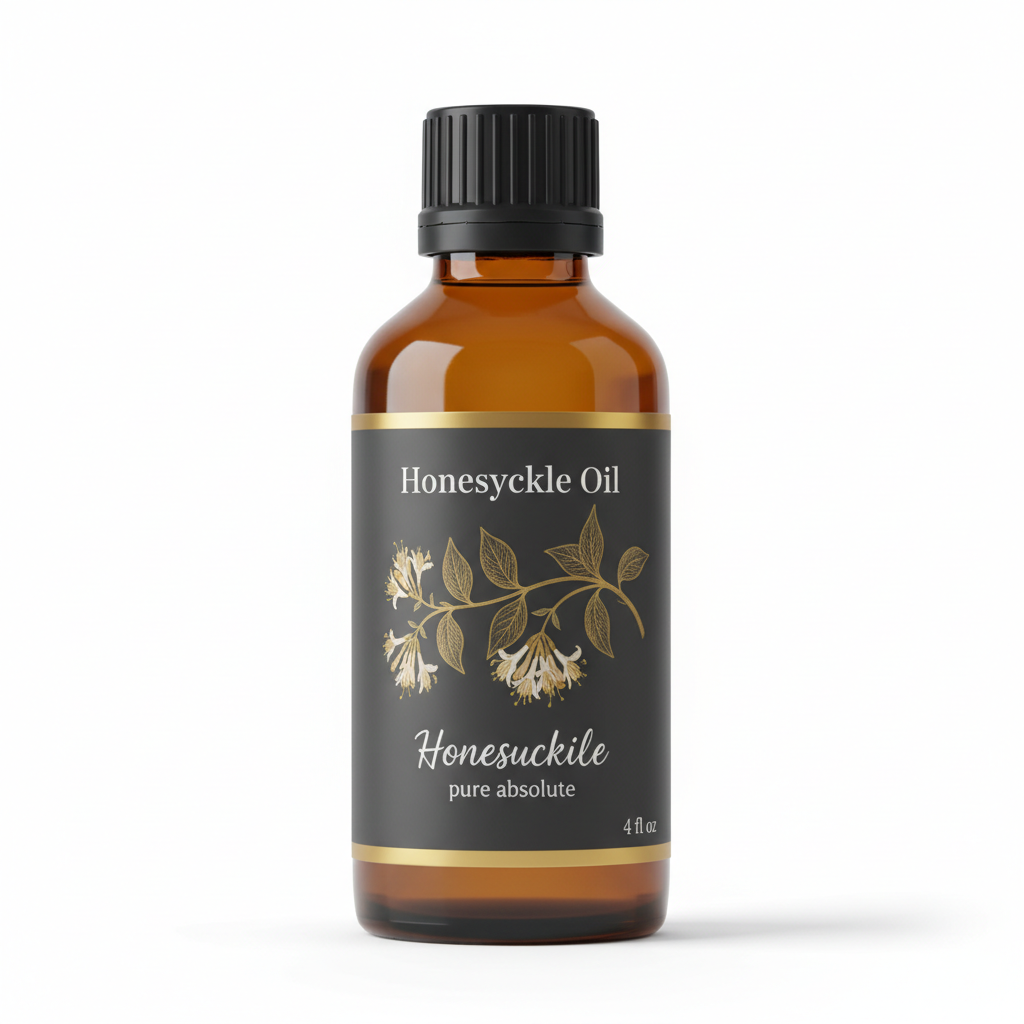
Honeysuckle Absolute
Our own Honeysuckle Absolute, in sizes from 0.5 oz to bulk.
From $13.99
Shop Now →This guide walks through everything you need to store your absolute correctly, from the materials on your shelf to the habits you build around every use. Whether you spent a little or a lot on your bottle, the steps below will help you protect that investment for as long as possible.
If you are new to this material and want background before diving into storage, the complete guide to honeysuckle absolute covers sourcing, production methods, and what distinguishes a quality absolute from a diluted or synthetic alternative.
Why Honeysuckle Absolute Needs Special Attention
Not all botanical extracts age the same way. Many essential oils, particularly those high in monoterpenes like citrus oils, oxidize quickly and lose their top notes within a year. Absolutes behave differently. Because they are extracted using a solvent process rather than steam distillation, they retain a richer mix of delicate esters, alcohols, and waxy aromatic compounds. These give the scent its natural depth. They are also what makes the material sensitive to heat, light, and air exposure.
Oxidation is the primary enemy. When oxygen contacts the aromatic molecules in the absolute, it begins breaking them down. The result is a scent that turns musty or sour, and a consistency that may thicken or cloud more than usual. Light accelerates this process significantly. UV rays, even from indirect window light, catalyze oxidation and can degrade a bottle in a matter of weeks if it is left uncapped or stored in a bright location.
Heat is the third factor. Warm temperatures increase the rate of every chemical reaction happening inside the bottle, including the ones you do not want. A bathroom shelf that cycles between steamy and cool is one of the worst storage environments for any botanical extract, including honeysuckle absolute.
Materials You Will Need
- Dark glass bottles (amber or cobalt blue, 5 ml to 30 ml capacity depending on your supply)
- Tight-sealing caps or stoppers (orifice reducer caps work well for precision pouring)
- Refrigerator or cool, dark cabinet (45 to 65 degrees Fahrenheit is the target range)
- Nitrogen or argon gas canister (optional but worthwhile for larger quantities)
- Adhesive labels and a permanent marker
- A small funnel or pipette for transferring between bottles
- A clean, dry workspace free of dust and strong odors
Most of these items are available from cosmetic supply retailers. If you are purchasing a pipette, choose glass rather than plastic. Some aromatic compounds can interact with certain plastics over time, and glass keeps your absolute uncontaminated.
Step-by-Step: How to Store Honeysuckle Absolute
Step 1: Assess Your Container Before You Store Anything
If your honeysuckle absolute arrived in a clear glass bottle, plan to transfer it. Clear glass offers no UV protection at all. Amber glass blocks a high percentage of damaging UV wavelengths. Cobalt blue is a reasonable second choice, though amber is generally preferred by perfumers and aromatics suppliers for serious long-term storage.
Check the cap. A loose-fitting lid or a dropper that does not seal tightly will allow air to seep in with every use. Replace any cap that does not click or thread securely. The headspace inside the bottle matters too. A bottle that is only one-quarter full has significantly more oxygen in contact with the absolute than a nearly full one. Keep this in mind as you work through your supply.
Step 2: Label Everything Immediately
Write the date of purchase and the botanical source on the label before you put the bottle away. Honeysuckle absolute shelf life is typically estimated at two to three years under good storage conditions, though some well-stored samples retain excellent scent quality beyond that window. Without a dated label, you have no reference point.
Note the supplier if you keep multiple batches. Scent quality varies meaningfully between sources, and if you blend, knowing which batch is which will matter when you go back to replicate a formula.
Step 3: Reduce Headspace with an Inert Gas (Optional but Recommended)
This step is the one most home users skip and then wish they had not. Argon and nitrogen are heavier than oxygen and can be sprayed into the bottle before capping to displace the air. Wine preservation sprays (often sold as "wine preserver" products) typically contain food-grade argon and work well for this purpose.
To use: open your absolute, give the bottle a brief spray of the inert gas, and seal immediately. Do this each time you open the bottle. The gas settles over the liquid surface and creates a protective barrier between the absolute and the oxygen above it. For a bottle you plan to work through quickly, this step may not be necessary. For a reserve you are saving over a year or more, it is worth the small investment.
Step 4: Choose the Right Storage Location
A cool, dark environment is the standard recommendation for honeysuckle oil storage. A kitchen cabinet away from the stove, a dedicated drawer in a cool room, or a small dedicated box in a low shelf are all workable. Many serious aromatics collectors store absolutes in the refrigerator, which keeps temperatures consistently in the ideal range.
If you refrigerate, be aware of two things. First, honeysuckle absolute may thicken or become more viscous when cold, as some of the waxy components solidify slightly at lower temperatures. This is normal and does not indicate spoilage. Let the bottle sit at room temperature for ten to fifteen minutes before working with it and the consistency will return. Second, condensation is a risk if you take the bottle in and out repeatedly. Each time a cold bottle meets warm air, moisture can form around the cap and potentially work its way in. Minimize how often you open and close a refrigerated bottle to reduce this risk.
Step 5: Minimize Exposure During Every Use
Good storage habits between uses matter as much as where the bottle lives. Cap your absolute immediately after measuring or applying. Do not leave it open on the workbench while you assemble a blend or prepare a recipe. Even a few minutes of open-air exposure adds up over dozens of uses.
Pour or pipette what you need and close the bottle. Work in small quantities. If you are blending regularly, consider decanting a small working amount into a separate, clearly labeled bottle and keeping the main stock sealed. This reduces the number of times you open your primary supply.
Step 6: Inspect Periodically
Smell your absolute every few months. You should know what it smelled like when it was fresh. A well-stored honeysuckle absolute will retain its honeyed, green-floral quality with only subtle changes as it ages. If the scent turns noticeably sour, metallic, or unpleasantly sharp, that is a signal of significant oxidation. At that stage, the absolute is past its prime for cosmetic blending and perfumery use.
Look at the color and consistency as well. Some deepening of color over time is normal. A dramatic color shift, unusual cloudiness that does not clear at room temperature, or an oily film that separates persistently from the rest of the material warrants closer scrutiny.
Common Mistakes to Avoid
Storing Near Fragrant Products
Absolutes can absorb ambient odors over time, particularly if the cap is not fully airtight. Storing your honeysuckle absolute next to strongly scented candles, perfumes, or cleaning products is a risk. Keep it in a dedicated space, or at minimum in a sealed box or bag.
Using Plastic Droppers for Long-Term Contact
Some dropper inserts are made from plastics that can interact with aromatic compounds. For repeated use and long-term storage, glass pipettes or glass-tipped applicators are preferable. If your bottle came with a plastic dropper, consider replacing the dropper insert with a glass one or using a separate glass pipette each time you decant.
Skipping the Label
It seems like a small thing until you have four unmarked dark bottles and no idea which one you opened six months ago. Label everything, including your decanted working bottles, with source and date.
Refrigerating and Then Leaving at Room Temperature Indefinitely
Choose one primary storage environment and stay consistent. Repeated cycling between cold and warm creates more condensation risk and more opportunity for temperature-related stress on the aromatic compounds. If the refrigerator is your choice, commit to it and minimize the number of times the bottle leaves that environment.
What to Expect from a Well-Stored Absolute
A honeysuckle absolute stored with care should retain its core scent character well into its second year and, in many cases, into its third. The top notes may soften slightly as the material ages, which some perfumers actually appreciate, since older absolutes can develop a rounder, more integrated quality. This is a different effect from oxidative spoilage: it is a gentle mellowing rather than a harsh off-note.
For cosmetic blending and skin applications, always follow appropriate dilution guidelines before use. The dilution and patch test guide covers the recommended ratios and testing protocols to follow before applying any absolute to skin.
The scent of honeysuckle has a long history in gardens, perfumery, and personal rituals. If you are curious about that broader context, the history of honeysuckle in story and garden is a worthwhile companion read to the more practical material here.
A Final Note on Quality
Even perfect storage cannot improve a low-quality starting material. Honeysuckle absolute varies considerably between suppliers. Some products sold under this name are actually reconstituted blends or heavily diluted preparations rather than true absolutes. The storage principles above apply to genuine absolutes, and a well-sourced material is worth the extra attention these steps require.
Good storage is, at its core, a straightforward practice. Dark glass, cool temperatures, minimal air exposure, and consistent habits will carry you a long way. The reward is a bottle that still smells like a summer evening two years after you first opened it.