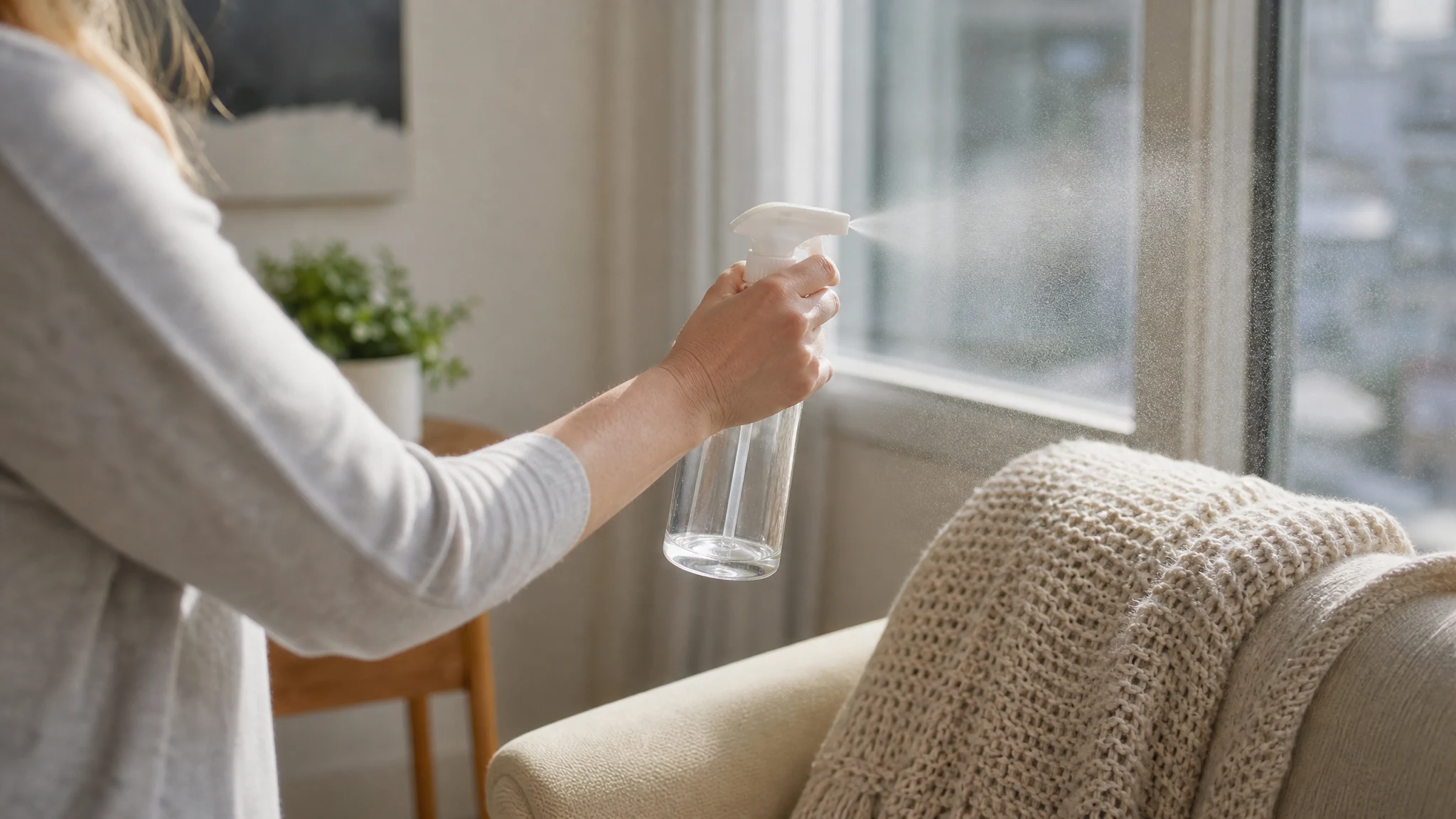
Honeysuckle Room Spray: Easy 100 ml Ethanol Recipe
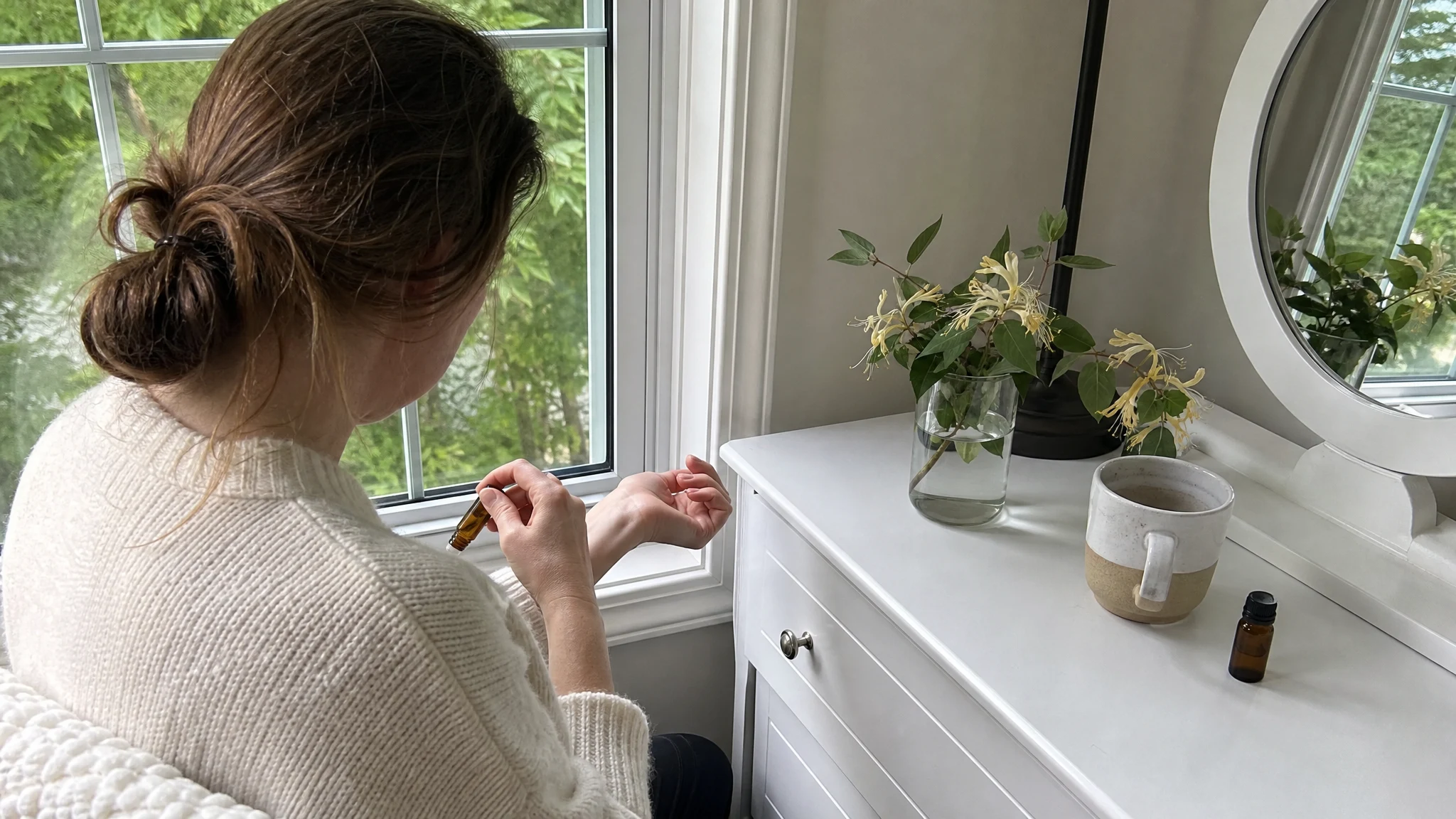
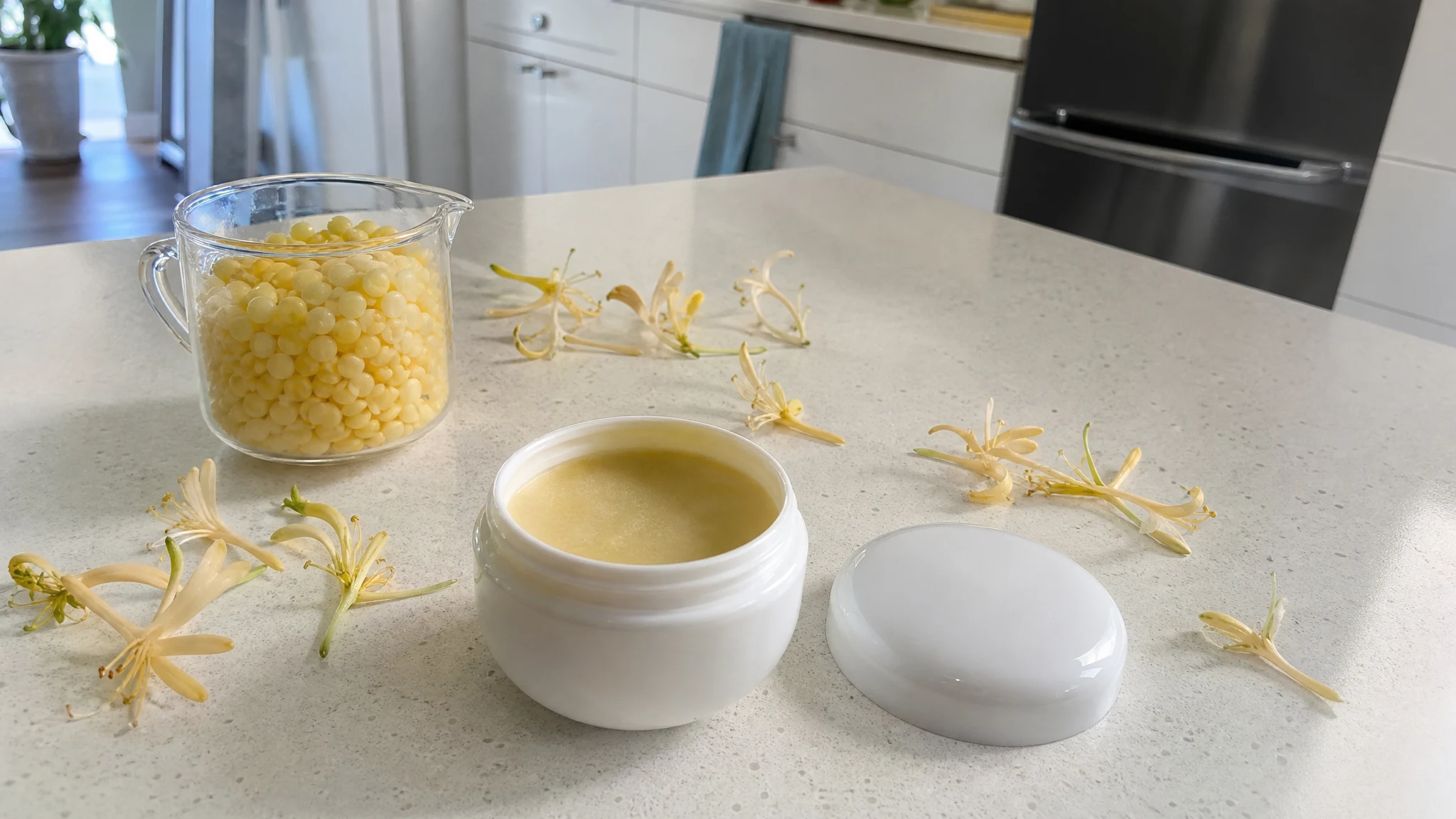
A good room spray should smell like someone just opened a window onto a flowering hedge. For honeysuckle absolute, the way to get there is ethanol: it takes up the absolute well, dries quickly, and spares you a solubilizer. Here is a 100 ml recipe at 1%, with a lighter 0.5% option.

Honeysuckle Absolute
Our own Honeysuckle Absolute, in sizes from 0.5 oz to bulk.
From $13.99
Shop Now →Why ethanol, and a little water
Our absolute finishes in an ethanol wash, so alcohol is a natural partner. Water is another matter: oil and water separate, and a water-based spray needs a solubilizer and a preservative on top. The FDA lists contaminated water and an ineffective preservation system among the ways microbes enter cosmetics (FDA, Microbiological Safety and Cosmetics). That page is about cosmetics, not room sprays, but it is a reason to keep water modest. This recipe holds water to a fifth of the bottle, uses distilled water, and treats the spray as a small batch to use up. Anything larger or longer-lived is a job for a cosmetic chemist.
The recipe
| Ingredient | Amount |
|---|---|
| Honeysuckle absolute (1%) | 1 ml (about 0.99 g) |
| Ethanol, strongest your supplier sells | 79 ml |
| Distilled water | 20 ml |
For 0.5%, use 0.5 ml of absolute and 79.5 ml of ethanol. The weight comes from the relative density on our Certificate of Analysis, 0.989 for the batch it covers, and a rough twenty drops to the millilitre; weigh if you have a scale. If your ethanol is 95%, count its water toward the 20 ml. Get ethanol and a glass fine-mist bottle from a craft or perfumery-supply shop; we sell only the absolute.
Method
- Warm the absolute bottle in your hand for a minute so it pours.
- Put the absolute in a clean glass jar, add the ethanol, and swirl until no streaks remain, before any water goes in.
- Add the water slowly. Absolutes are chilled during making, so a diluted one may cloud when cold; check clarity at room temperature.
- Rest it, closed and out of light, for a day or two, and filter through a coffee filter if it looks hazy.
- Label it with the date, the percentage and "flammable, keep from flame".
If you would rather have no alcohol smell, makers use polysorbate 20 as a solubilizer. The Tisserand Institute suggests starting at 1:1 with the oil for essential oils (Tisserand Institute, Bath Safety). That is guidance for essential oils, so treat it as a starting point and expect to adjust.
Before you start
Set out everything on a clean tray: the jar, the funnel if you use one, the bottle, a label and a pen. Open a window so the room is airy while you work, since ethanol has a sharp smell of its own. Making a spray is a ten-minute job, and it is more pleasant when nothing is rushed.
Fire, fabric and animals
This spray is mostly ethanol, which has a flash point of 55 F (NIOSH Pocket Guide to Chemical Hazards: Ethyl alcohol). Never spray near candles, a gas burner, a fireplace or a wax warmer. Spray into the air at arm's length instead of onto upholstery, and test a hidden corner first, since ethanol can spot pale fabric. Do not spray food or food-contact surfaces.
We recommend keeping the absolute away from eyes, children and pets. The ASPCA notes that cats and small mammals can be more sensitive to skin exposure, and that concentrated oils should not go on pets (ASPCA Pro, Are Essential Oils Dangerous to Pets?). Never spray an animal. Ask a veterinarian before using it near a bird or an animal with breathing trouble, and skip it if you react to fragrance.
What you will notice
Give the first spray a minute. The sharp smell of the alcohol lifts away first, and then the honeysuckle comes forward: nectarous, lush and green-floral, with that soft jasmine-adjacent warmth. If you smell only alcohol, try again in a couple of minutes before deciding the blend is too weak, because evaporation is part of how a spray like this reveals itself.
Where it works best
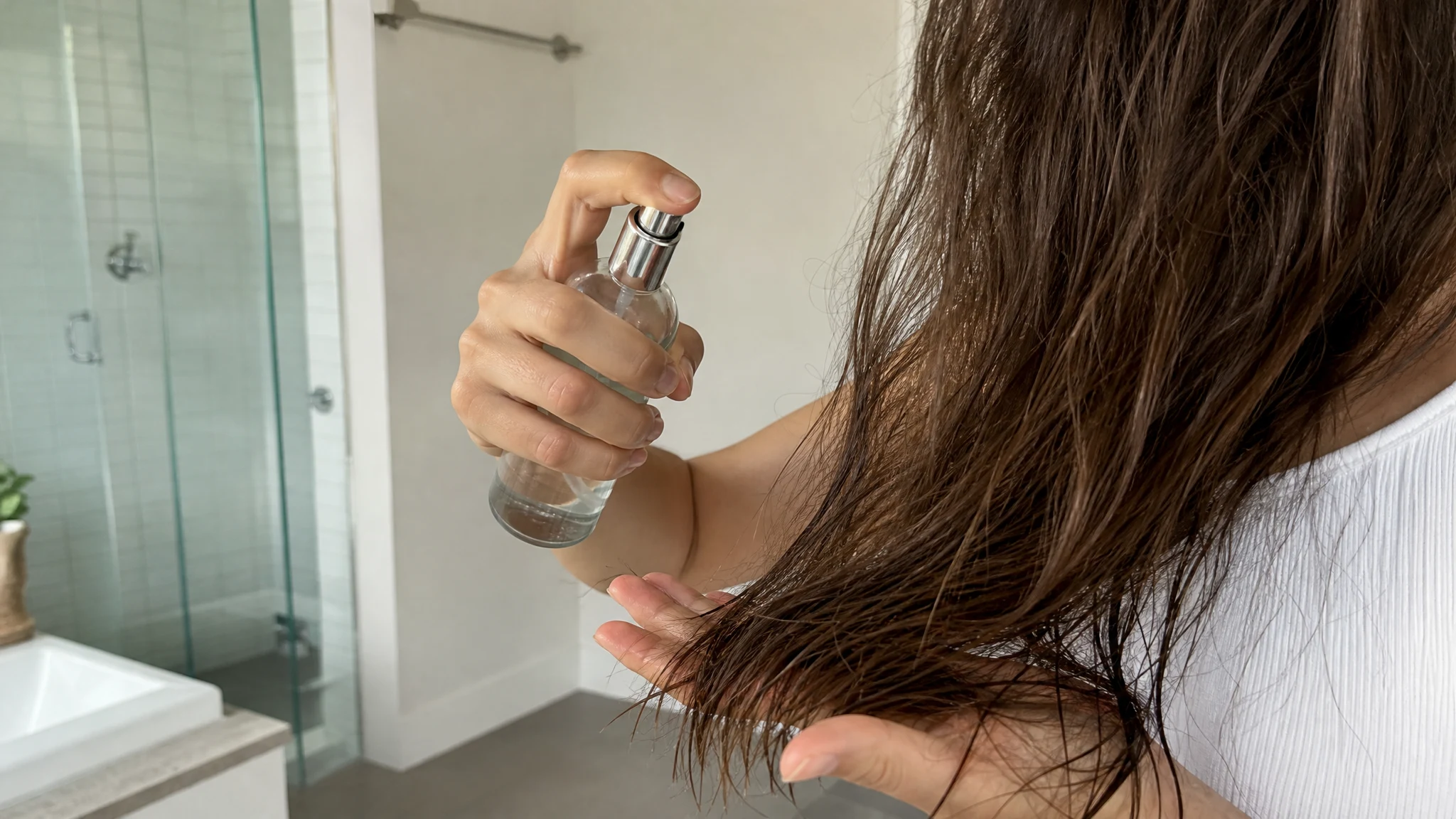
A hallway, an entrance, or a guest room before visitors arrive are all good places to try it. Spray once or twice into the air at arm's length, step away, and let the mist drift down. Fine-mist bottles give a soft cloud that spreads; coarse sprayers give wet spots and a heavier first impression. Choose a bottle with a fine nozzle and test it with plain water first, so you know where the mist lands.
Making it your own
Label every bottle with the date and the percentage, and make small batches so you always use the spray while it is fresh. If you like it, write down exactly what you did, including which ethanol you used, so that next time you can repeat it or change a single thing.
Adjusting
If it is too faint, go to 1.5% (1.5 ml) in the next batch rather than adding to this one. A 0.5 oz bottle (14.8 ml) covers about 14 batches at 1% and about 29 at 0.5%. For fabric only, the linen spray and sachets post may suit you better, and the home fragrance guide compares the methods. Use the spray within a few weeks and make a fresh batch if it clouds or smells off.
One quick pass through a room, and the air smells of a summer porch.
Honeysuckle Absolute
Honeysuckle Absolute from our own shop, in sizes from 0.5 oz to bulk.
From $13.99
Shop Now →Sources & Further Reading
- FDA. Microbiological Safety and Cosmetics (content current as of 10/15/2024). fda.gov
- Tisserand Institute. Bath Safety: how to use essential oils safely in the bath. tisserandinstitute.org/safety/bath-safety
- CDC NIOSH. NIOSH Pocket Guide to Chemical Hazards: Ethyl alcohol. cdc.gov/niosh/npg/npgd0262
- ASPCA Pro. Are Essential Oils Dangerous to Pets? aspcapro.org