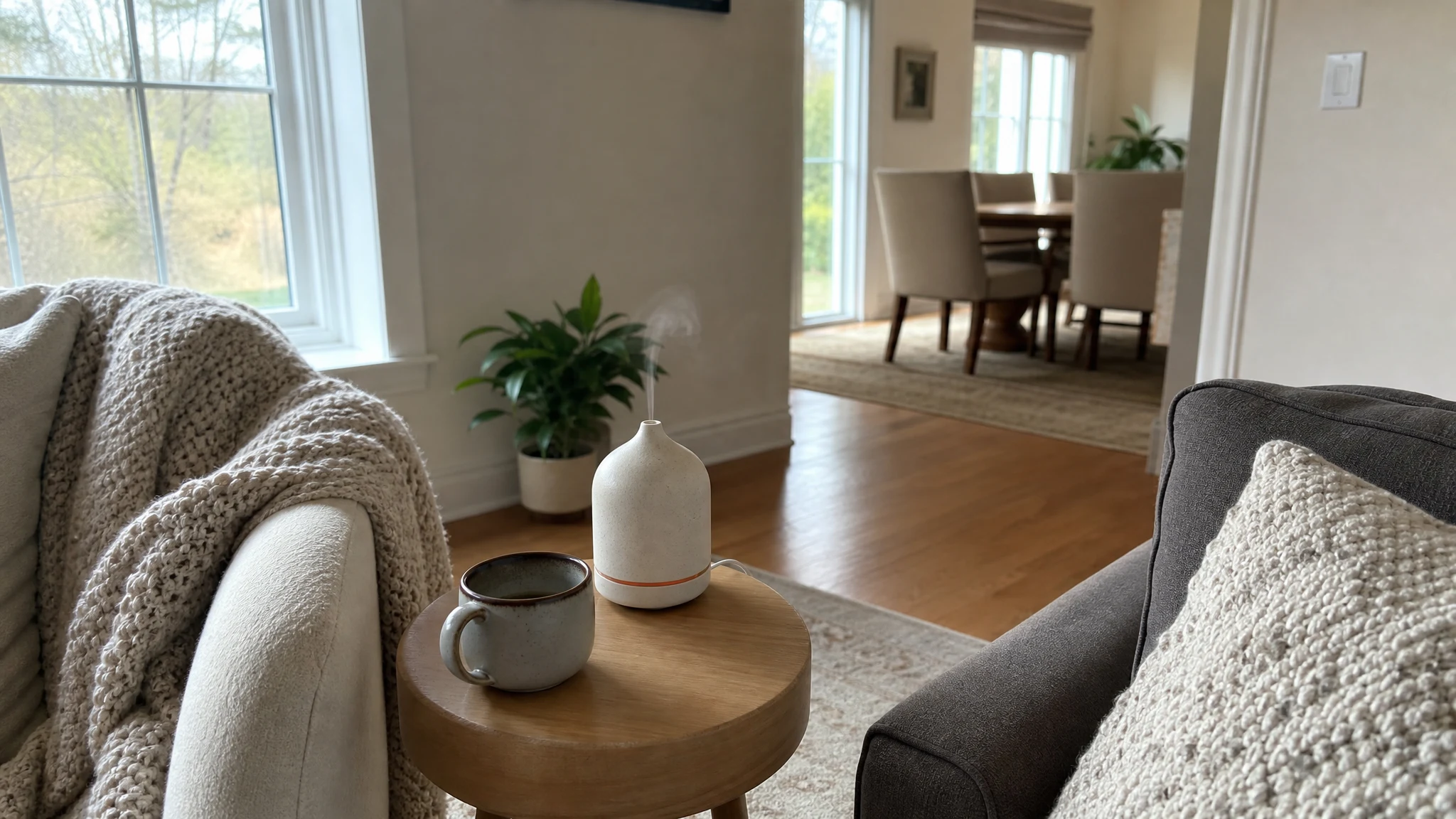
Honeysuckle Home Fragrance: Which Method Suits It
Honeysuckle absolute arrives thick, concentrated and undiluted, and that single fact decides which home fragrance methods suit it. Our order of preference is an ethanol-based room or linen spray first, a reed diffuser on a proper base second, a drop or two in an ultrasonic diffuser third, then candles and melts. We would not use it in a nebulizing diffuser at all. Here is the reasoning.

Honeysuckle Absolute
Our own Honeysuckle Absolute, in sizes from 0.5 oz to bulk.
From $13.99
Shop Now →What kind of material it is
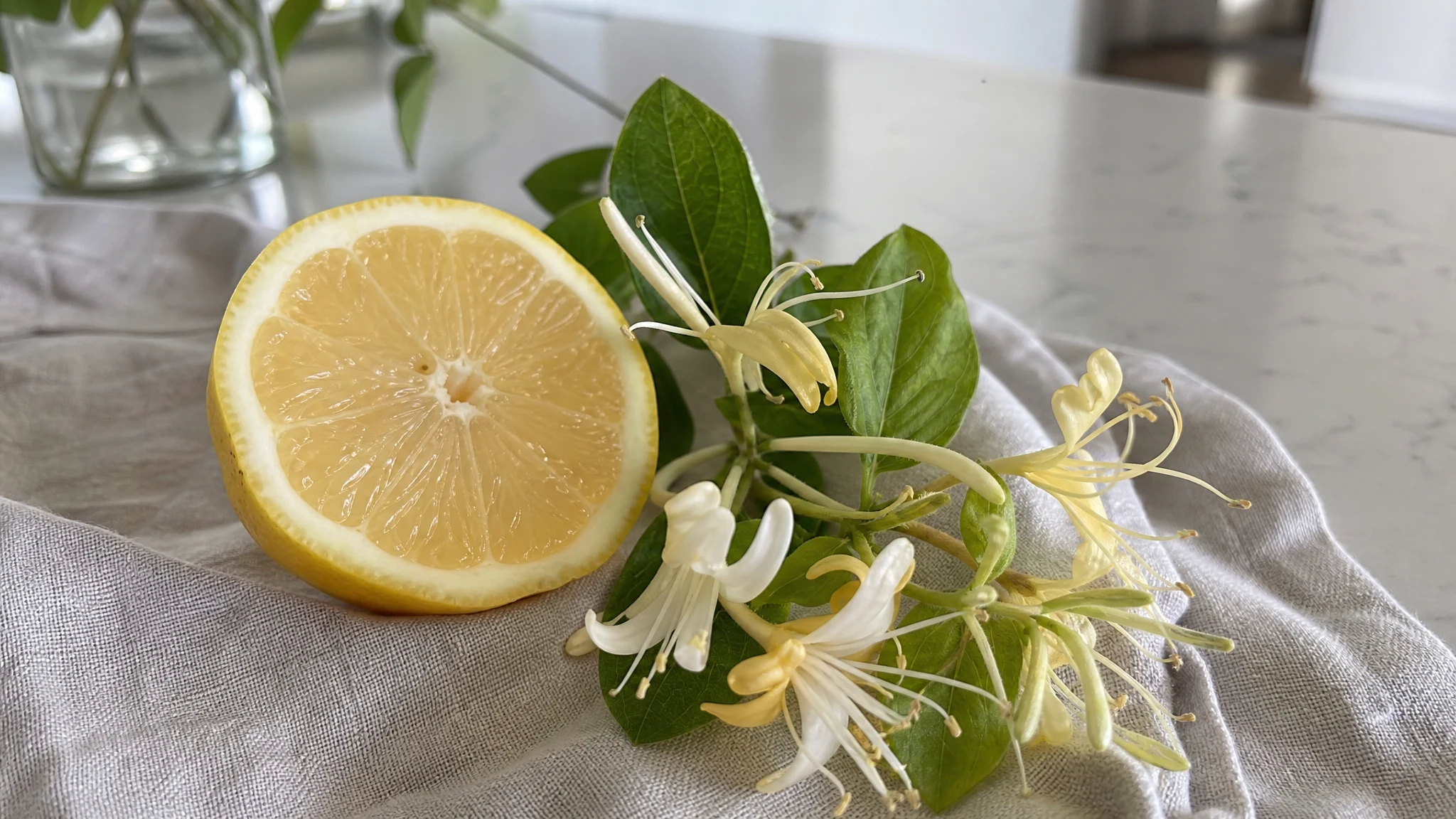
Our honeysuckle is an absolute, solvent-extracted and sold neat, not a steam-distilled essential oil; the steam distillation article explains why, and the fragrance oil comparison shows what a very inexpensive "honeysuckle" bottle is likely to be. It thickens with age and in the cold and pours again after a minute in the hand. The Certificate of Analysis we publish for one batch lists a relative density of 0.989 and a refractive index of 1.509 at 20 C, and does not measure viscosity. Since the absolute finishes in an ethanol wash, it suits an alcohol-based spray well.
The method follows the thickness
It helps to be honest about what you want from a room. Honeysuckle absolute is a gentle, sweet and slightly green scent, so it suits spaces where you sit and linger, like a reading corner or a bedroom dresser, better than a busy hall or a big open kitchen.
Anything with a fine nozzle or fixed plate prefers thin liquids, and thick material is more likely to clog. Reed diffuser supplier Coloured Bottles notes that thinner bases wick faster and that a more viscous base may need fewer or thinner reeds, and suggests 15% to 25% fragrance in the base, adding that going well above 25% can leave the liquid too concentrated to wick. Reasoning from that, a viscous absolute does better where it is dissolved into a thin carrier first.
| Method | Fit | Why |
|---|---|---|
| Ethanol room spray | Best | Dissolves readily and uses the least absolute. See the room spray recipe. |
| Linen spray or sachet | Good | Small amounts in alcohol or a dry carrier. See linen spray and sachets. |
| Reed diffuser | Good, with a base | Use a purpose-made base, not oil alone. See the reed diffuser recipe. |
| Ultrasonic diffuser | Sparingly | One or two drops in a thin blend, cleaned after use. See the diffuser blends. |
| Nebulizing diffuser | Not recommended | The fine nozzle blocks easily. |
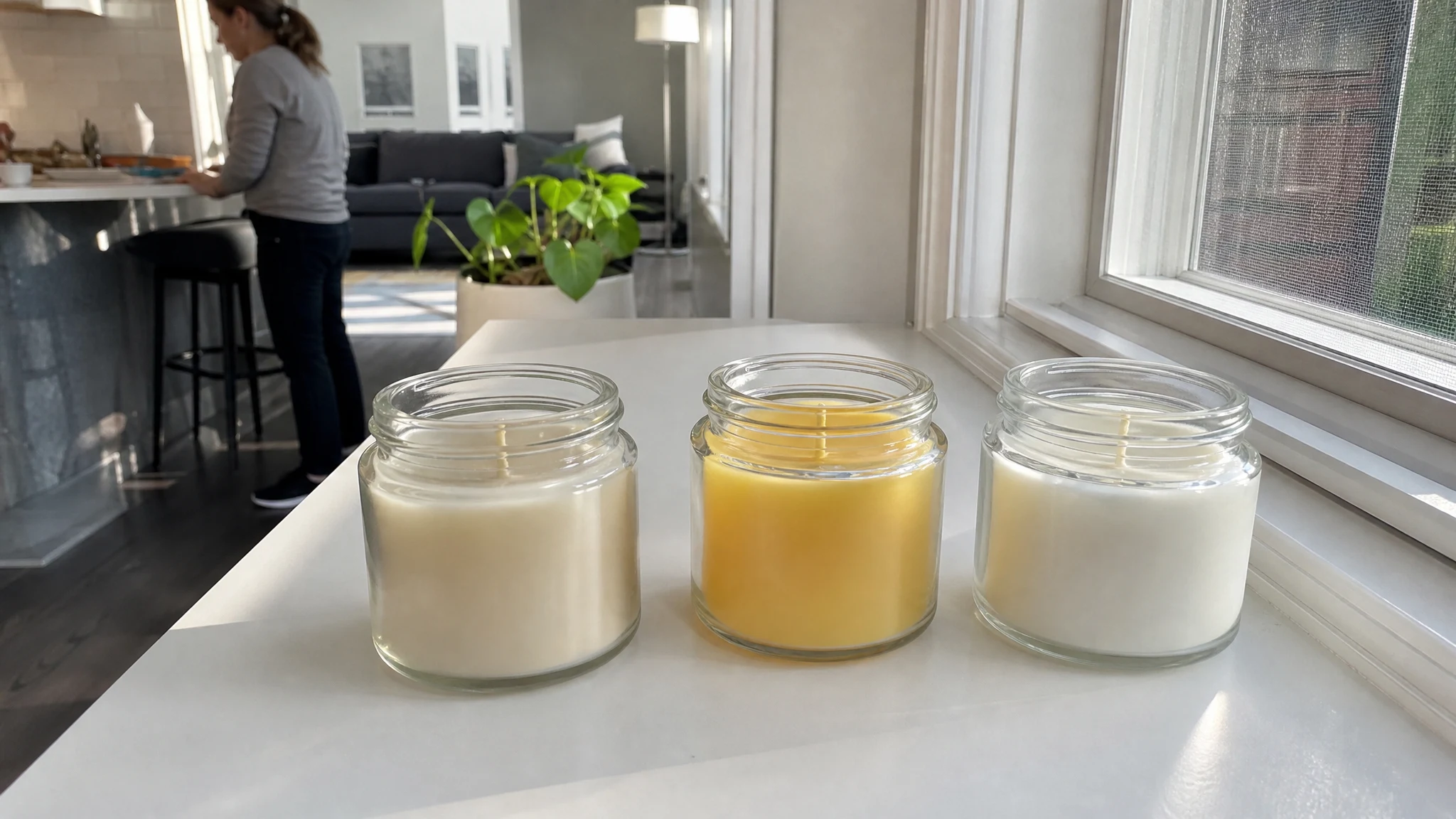
| Candle or wax melt | Depends on wax and heat | See soy candles and wax melts. |
For a car or a pocket, see our inhaler and car diffuser article.
If you take only one thing from the table, take this: start with the method that asks the least of the absolute. A spray lets you smell the scent in the room and change your mind cheaply. A reed jar is more of a commitment, because it sits there for weeks and is not easily fixed once it is set up.
The arithmetic
Our absolute is neat, so the dilution is yours to calculate. At 0.989 g per ml and about 20 drops per ml (droppers vary, so weigh when you can), a 100 ml batch works out like this:
- Room spray at 0.5%: 0.5 ml, about 10 drops, 0.49 g.
- Room spray at 1%: 1 ml, about 20 drops, 0.99 g.
- Reed diffuser at 15%: 15 ml, about 300 drops, 14.8 g, which is a whole 0.5 oz bottle for one 100 ml jar.
That last line is why we point people to the spray first. It uses the least absolute and shows you what the scent does in your room before you commit a bottle to a reed jar. For thinking about cost without our numbers, see the price guide.
Where in the house
Think about where you will actually notice the scent. A hallway or entry table is a lovely spot for a spray or a small reed jar, since you meet the scent as you walk in and out. A bathroom shelf or a bedroom drawer suits a sachet. Avoid the kitchen, where cooking smells will compete with a soft floral. Keep the scent away from direct sun and radiators, and move things around a little until it feels right in your room.
Keeping the home safe
Pets and people: keep the absolute away from children and pets, and it is not for internal use. The ASPCA advises against running an essential oil diffuser in a home with birds, says oral and dermal exposure generally concern it more than inhalation (birds and animals with breathing problems being the exceptions), and notes that cats and small mammals may be more sensitive to skin exposure because grooming brings oil to their mouths. That page is about essential oils and does not name honeysuckle, but a bird, a cat or a pet with breathing problems is a good reason to ask a veterinarian before scenting that room.
Fire: NOAA's CAMEO Chemicals datasheet gives ethanol a flash point of 55 F with vapor that is heavier than air, so an ethanol spray is a flammable liquid and belongs away from candles, burners and warmers. Spray in a ventilated spot and protect polished furniture, since fragrance oils can mark varnished wood and some plastics. Reed jars do best on a tray or coaster.
Honeysuckle absolute suits a gentle, close fragrance, not a high-heat or whole-house one. For skin, the dilution guide gives our 0.5% to 2% guidance, which does not carry over to home fragrance. Start with a spray, and the rest will follow.
Honeysuckle Absolute
Honeysuckle Absolute from our own shop, in sizes from 0.5 oz to bulk.
From $13.99
Shop Now →