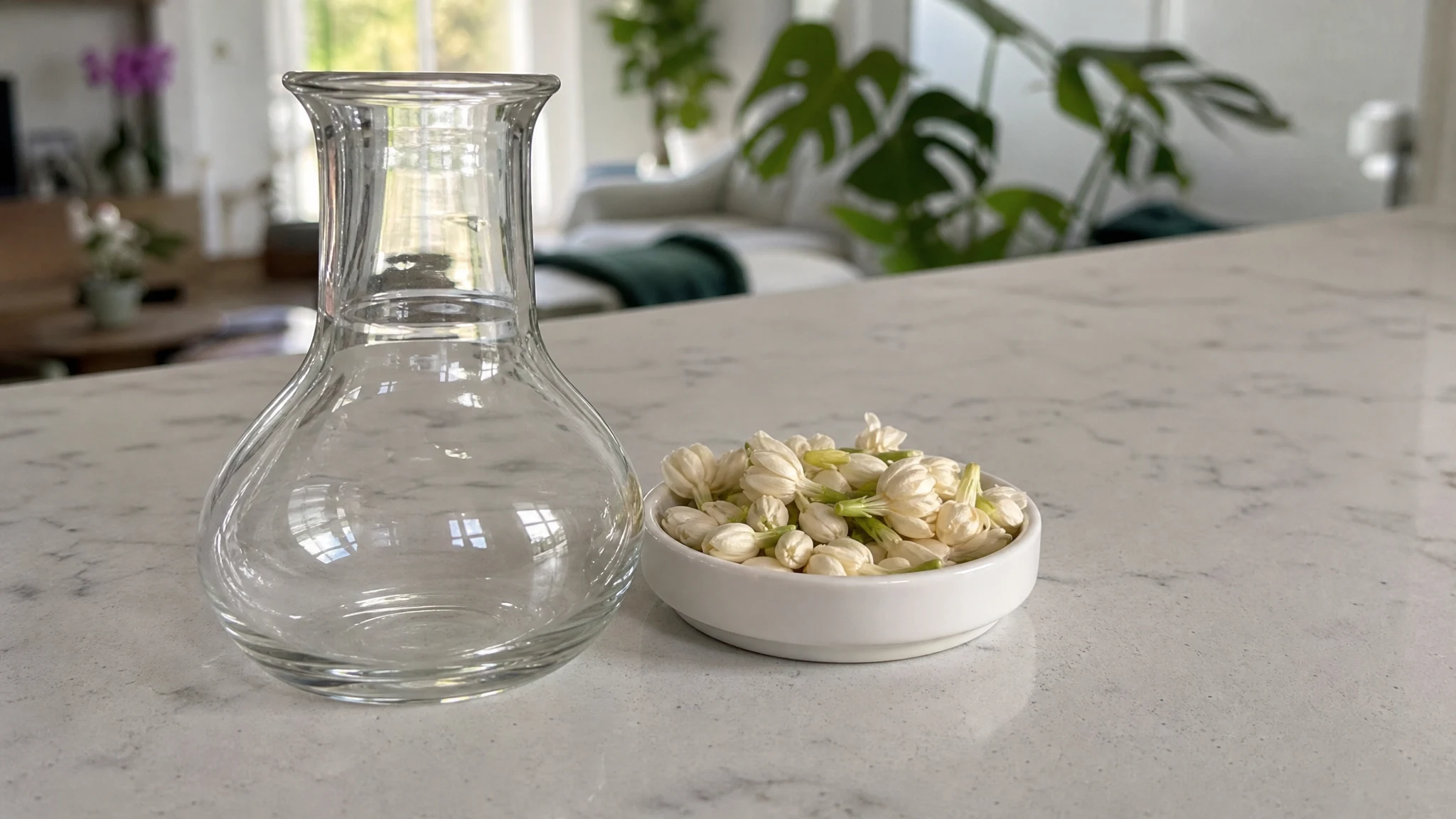
What Is Honeysuckle Absolute? Why It Isn't Distilled
Open a bottle labelled honeysuckle oil and you might expect something steam-distilled, like lavender or peppermint. It is not. The honeysuckle scent that perfumers work with is an absolute, a thick, concentrated extract of the blossoms, and knowing that one fact answers most of the questions people bring to it.

Honeysuckle Absolute
Our own Honeysuckle Absolute, in sizes from 0.5 oz to bulk.
From $13.99
Shop Now →An absolute, not a distilled oil
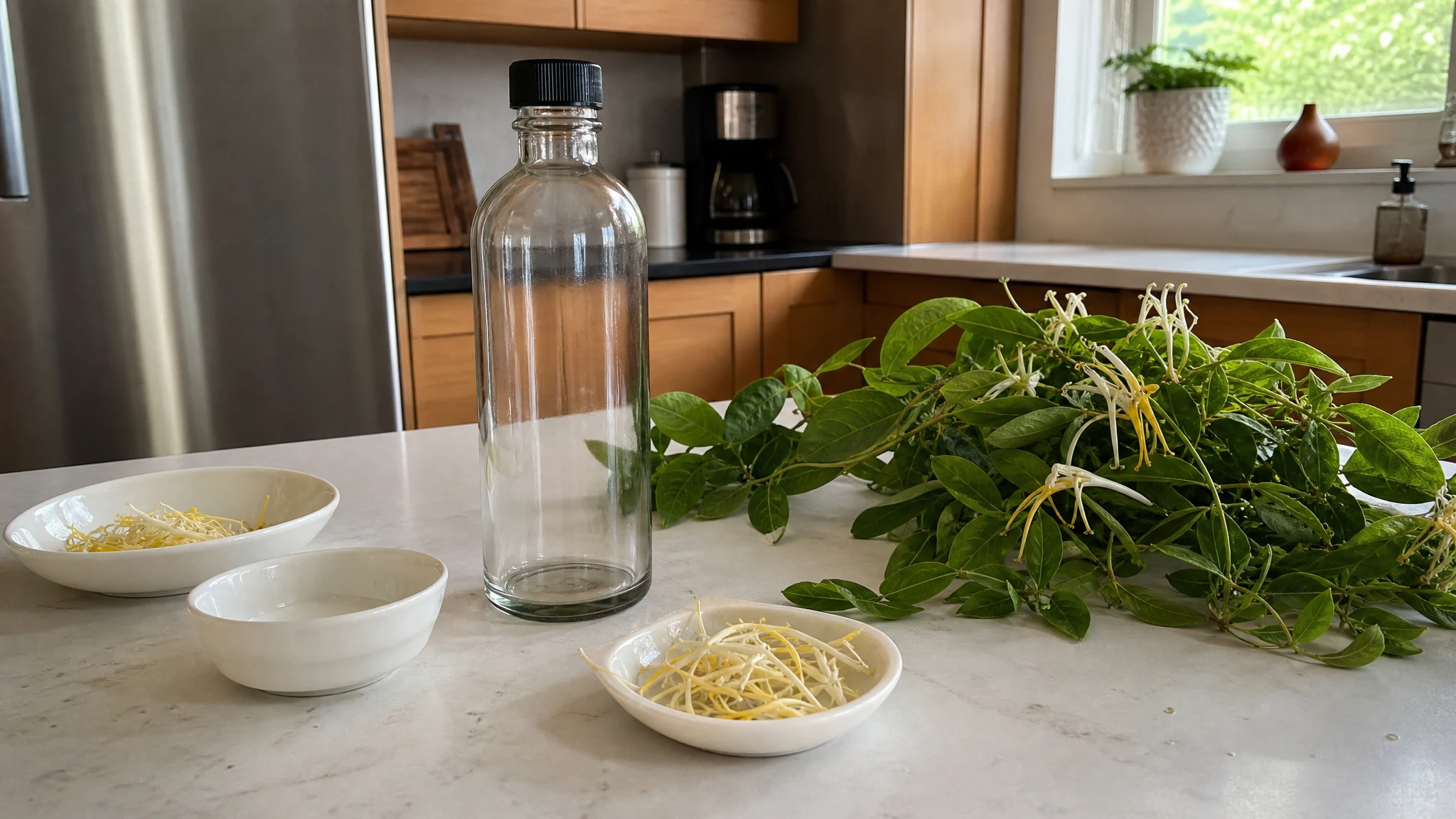
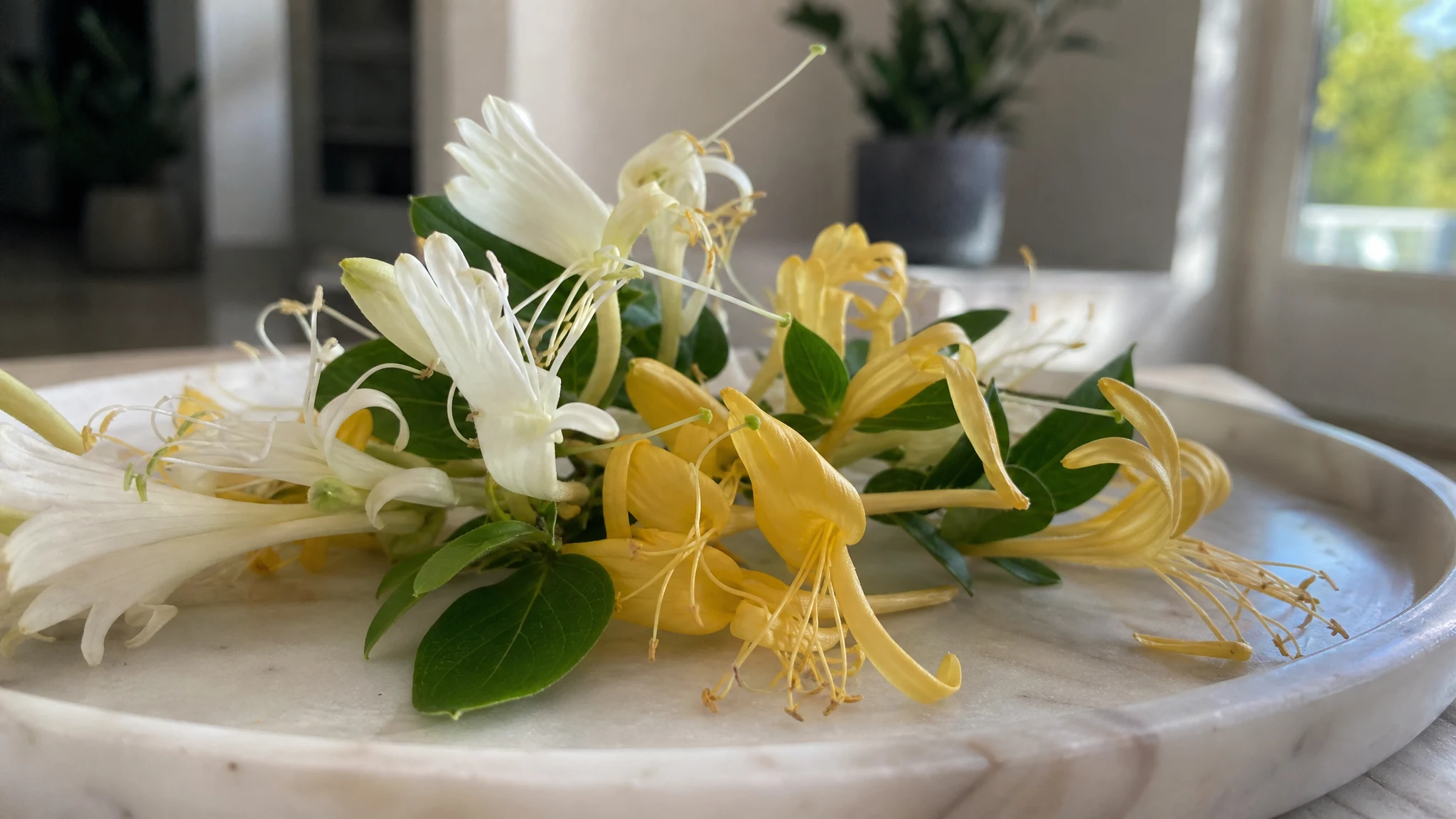
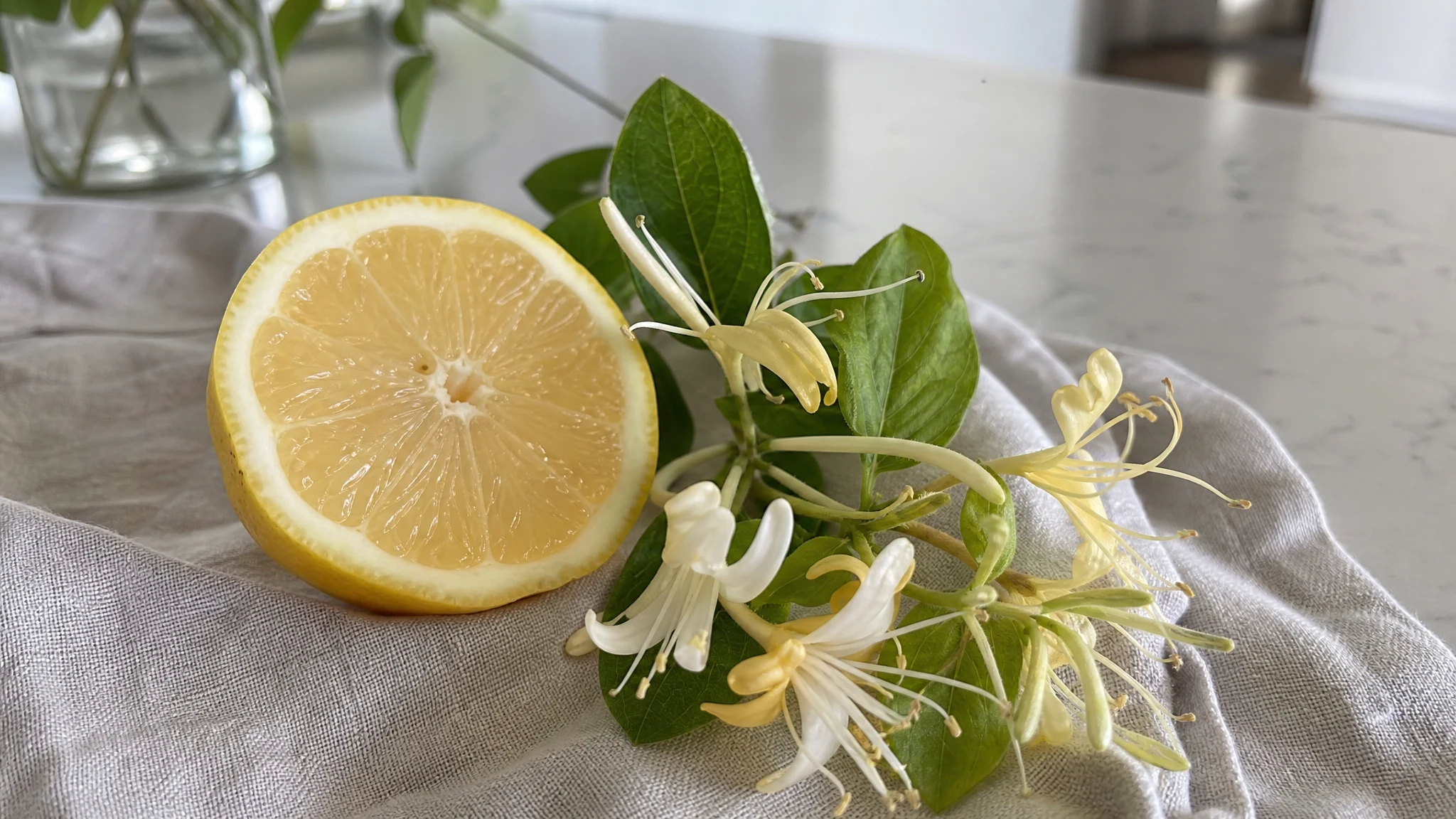
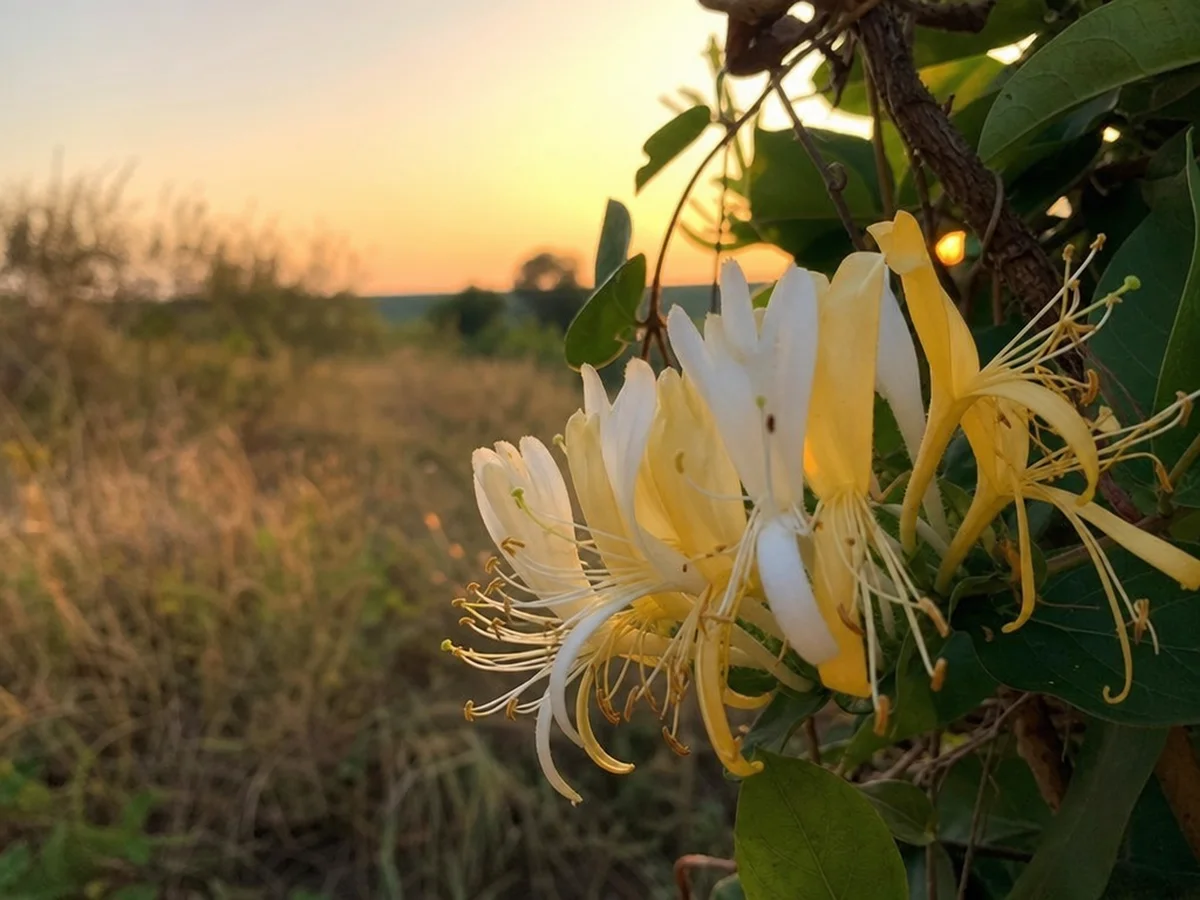
We sell one product, a honeysuckle absolute made from Lonicera japonica, the Japanese honeysuckle vine, which we source from China. A hydrocarbon solvent, in practice hexane, is circulated through the blossom and drawn off to leave a waxy concrete. The concrete is washed in high-proof ethanol and chilled, and the filtered result is the absolute. No steam or still is involved at any stage, and we sell it neat, with no carrier in the bottle, so any dilution is up to you.
Steam is simply the wrong tool for this flower. A 2011 review of the plant's chemistry describes a steam-distilled sample led by methylcyclohexane and hexadecanoic acid, which are not floral molecules at all, while the concrete is marked by linalool, jasmone and methyl jasmonate, the compounds that read as flowers (Shang et al., 2011). Solvent extraction is how the living-flower character gets into a bottle. If you want the longer story, we walk through it in what an absolute is, and in why there is no steam-distilled honeysuckle oil.
What it smells like and where it shines
We describe the scent as nectarous, lush and green-floral, like the living vine, with a soft jasmine-adjacent warmth. In perfumery terms it sits in the middle, the heart of a blend, and it is strong: a trace can perfume a whole blend. It pairs well with bergamot, sweet orange, neroli, ylang ylang, cedarwood and sandalwood.
That makes it a natural fit for scent work:
- Perfume oils and solid perfumes, where a small weighed amount goes a long way. Our rollerball recipe shows the arithmetic.
- Body oils and lotions at low dilution. We recommend 0.5% to 2% in a carrier oil such as jojoba or fractionated coconut, with a patch test on a small area first.
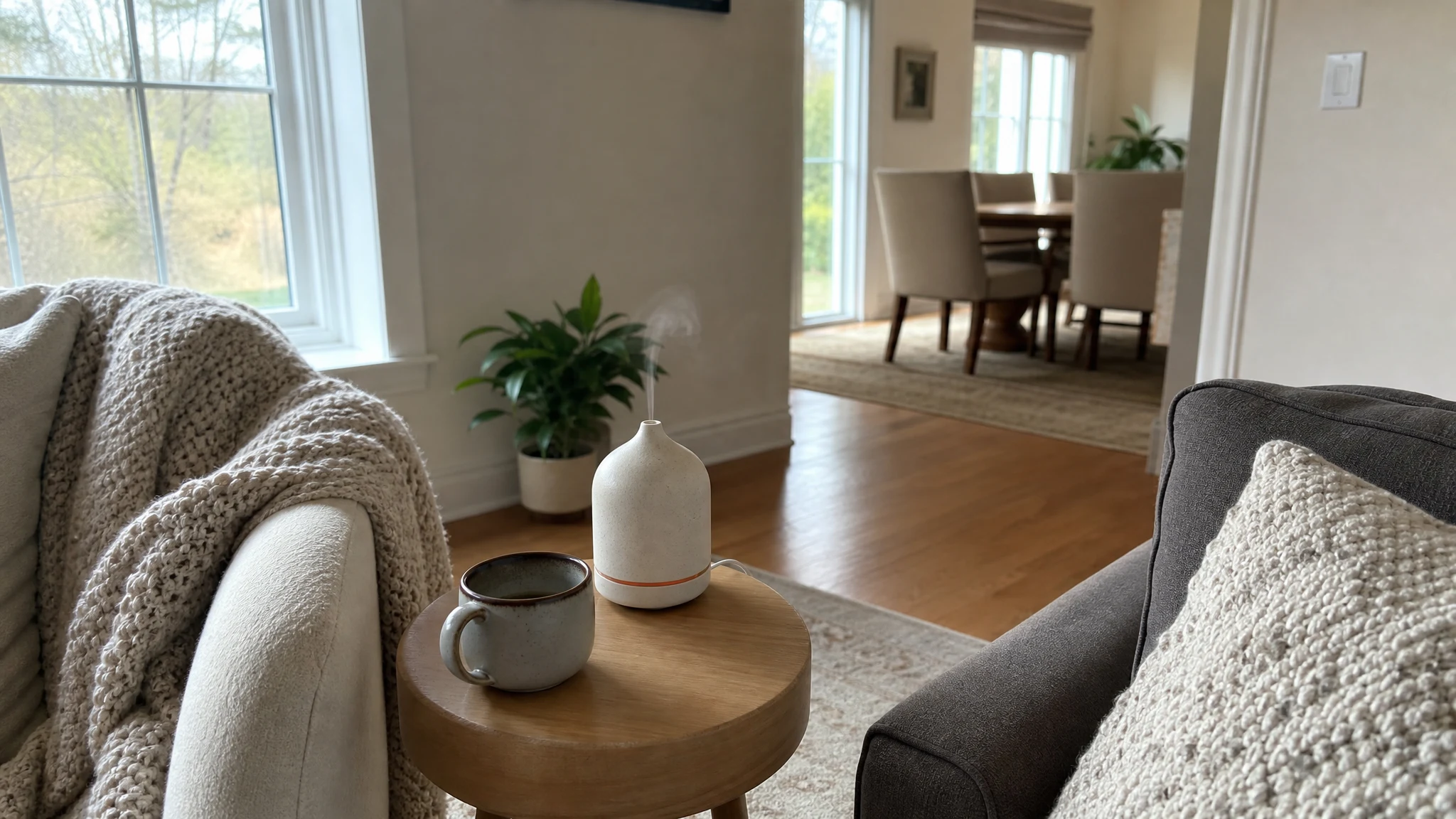
- Hair mists and room fragrance, where the absolute goes into an alcohol base.
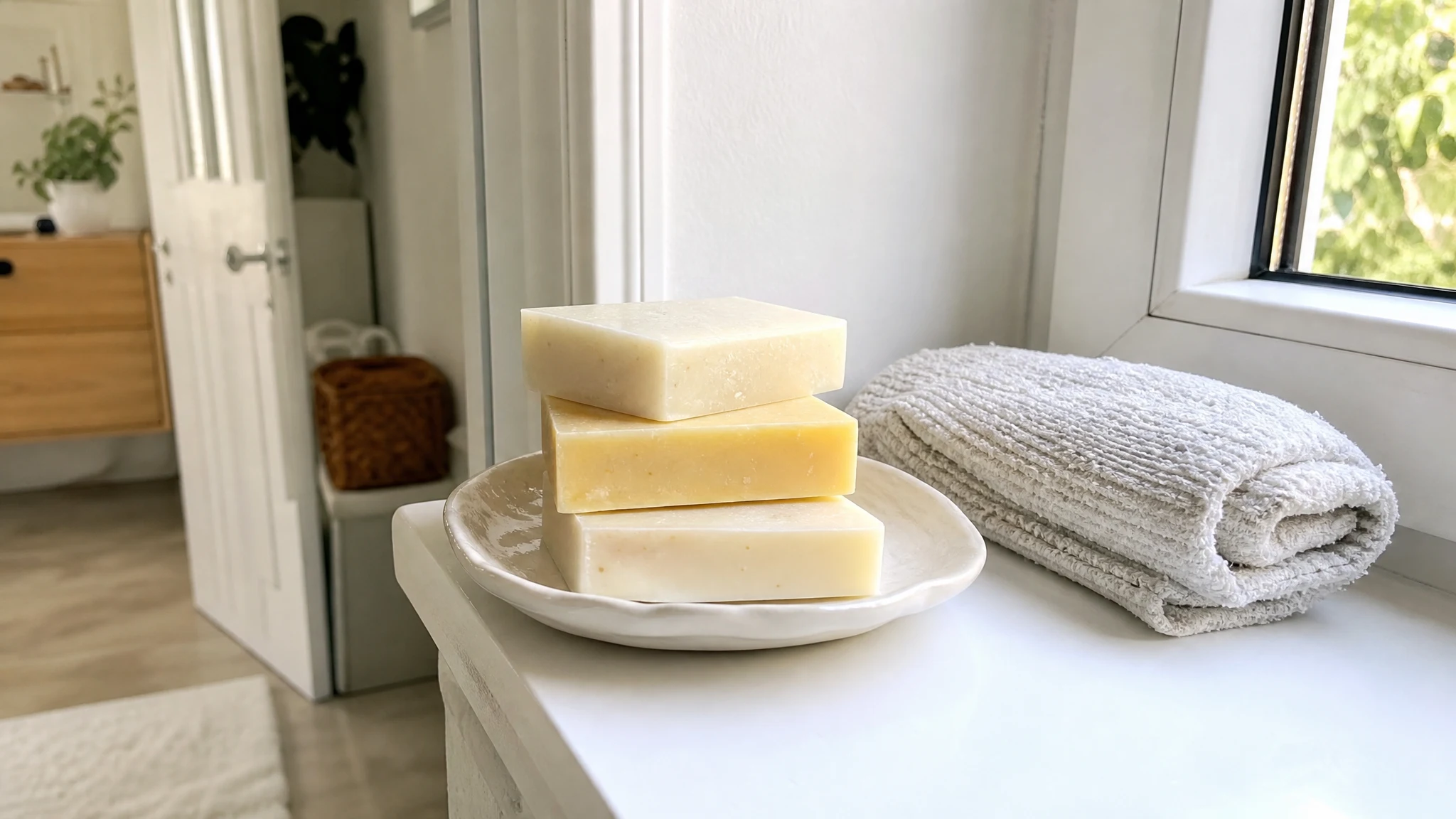
- Soap and candles, which take more planning because the scent has to survive lye or hot wax.
Our own advice is to begin with a perfume or body oil. It uses the least material, and it teaches you how the scent behaves before you commit to a bigger project. Our uses guide compares the options, and the first-bottle article helps with sizing.
The first time you open the bottle
Go slowly. Smell from a paper blotter rather than the neck of the bottle, and give it a minute to open up. A concentrated absolute can feel dense at first sniff, and the green, nectar-sweet character often becomes easier to read as it thins out on the paper. Come back after ten minutes and again the next morning, and write down what you notice.
It is also thicker than most people expect. If the bottle is stiff, warm it in your hand for a minute and it pours again. That is normal for an absolute and not a fault.
Why we love it
We like a material that rewards patience. Honeysuckle is one of those flowers that never gave up a tidy distilled oil, so the only way to capture something of the vine is to extract it. We think that makes it a more interesting thing to work with, as long as you treat it with a light hand and a scale.
What it is not for
This is a cosmetic scent material, and that is all we sell it as. It is not a food, a tea or a medicine, and it is not for internal use. The honeysuckle you read about in traditional medicine is the dried flower bud used as an herb, which is a different thing from a fragrance absolute, and we make no medical claim for ours. If you have a health question, a physician or pharmacist is the right person to ask.
The FDA draws the line by intended use, and its soap guidance names making a person smell nice as a cosmetic purpose (FDA, Frequently Asked Questions About Soap). If you make products to sell, keep your wording on the scent side of that line, and a regulatory consultant can review it. Anyone with a known fragrance allergy, and anyone shopping for a child or a pet, should talk to a dermatologist, pediatrician or veterinarian first; keep the absolute away from eyes, children and pets. Our piece on skin allergy explains why.
Reading the label before you buy
Because the name is loose, three questions help with any honeysuckle listing: what is it made from, how was it made, and is anything mixed in? "Honeysuckle oil" can be a distillate, a fragrance oil or an extract, and the word oil does not say which. Ours is the extract, from one species, with nothing added. If you need residual-solvent or GC-MS data for something you plan to sell, ask us in writing through the contact page before you order. For wholesale quantities, see our wholesale page.
Think of honeysuckle absolute as a perfumer's extract of a flower that refuses to be distilled: used drop by careful drop, it carries a garden's worth of scent.
Honeysuckle Absolute
Honeysuckle Absolute from our own shop, in sizes from 0.5 oz to bulk.
From $13.99
Shop Now →Sources & Further Reading
- Shang et al. 2011. Journal of Ethnopharmacology 138(1):1-21. pmc.ncbi.nlm.nih.gov/articles/PMC7127058
- FDA. Frequently Asked Questions About Soap (content current as of 08/20/2024). fda.gov