Fragrance Allergy and Patch Tests: What to Know First
Most people picture an allergic reaction as something immediate: you touch it, you react. Fragrance allergy on skin rarely works that way. It builds quietly, often over weeks of perfectly happy use, and then one day the skin objects, usually a day or two after the product that caused it. Knowing that changes how you use anything scented, honeysuckle absolute included.
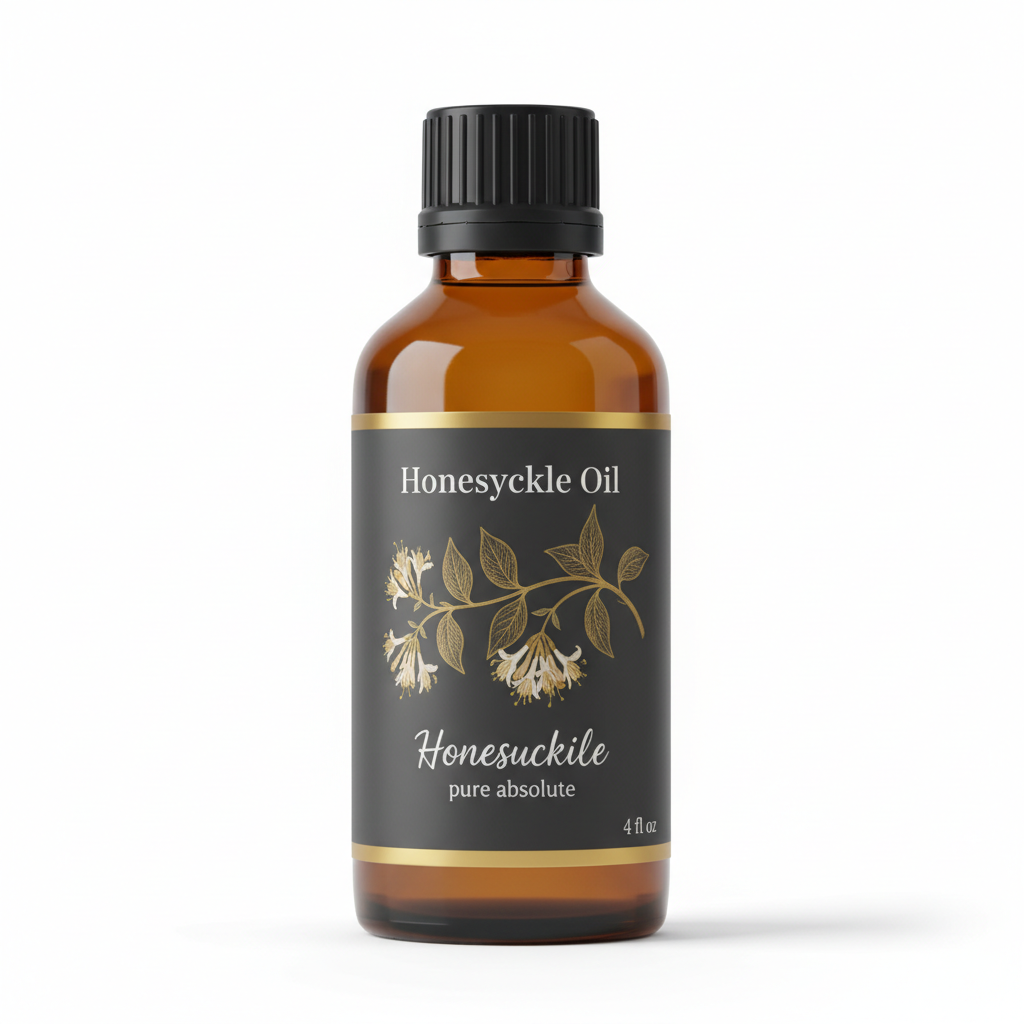
Honeysuckle Absolute
Our own Honeysuckle Absolute, in sizes from 0.5 oz to bulk.
From $13.99
Shop Now →The slow kind of allergy
DermNet's overview of fragrance allergy explains the sequence. Allergy needs a first round of sensitisation to a fragrance chemical. After that, skin contact triggers a delayed reaction, appearing hours to days later. Around 1% of adults are thought to be affected, and the hands, face and neck are common places for it to show. A chemical can even travel from hands to face without you noticing (DermNet, Fragrance allergy).
This is different from plain irritation, which is about dose and can happen to anyone who puts too much of a strong material on skin. It is also why a quick patch test, useful as it is, cannot promise anything about next month.
What dilution does, and what it does not
We recommend diluting honeysuckle absolute to 0.5% to 2% in a carrier oil, and dilution does what it should: it lowers the amount reaching each patch of skin. But it is not a switch that turns allergy off. In a small study, six people who were already allergic to oxidized linalool, a common fragrance terpene, used creams and a fine-fragrance preparation twice a day for up to three weeks. Five of the six reacted to a cream with 3% oxidized linalool. At 1%, three reacted to the cream and four to the fragrance. At 0.3%, two still reacted to the cream and one to the fragrance at 0.30% (Andersch Björkman et al., Contact Dermatitis 2014).
It is a very small study of people who were already allergic to one particular compound, and it tells us nothing about honeysuckle itself. Its useful message is simple: if you are already sensitised to something, low concentrations can still matter. For everyone else, dilution and sensible habits are good practice, not a guarantee.
A patch test, done well
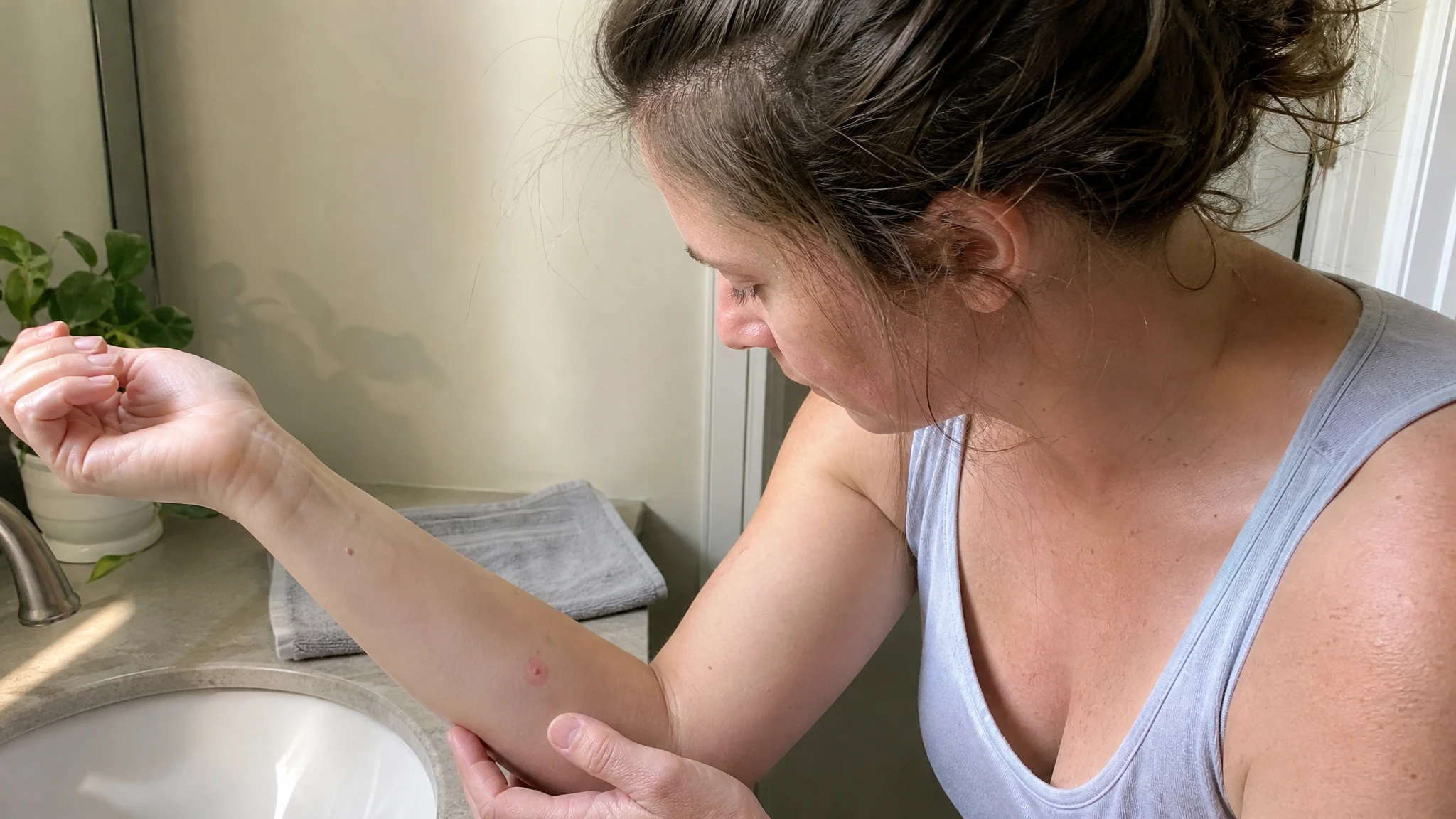
Our label advice is to patch test on a small area before use, and we stand by it. Dilute the absolute as you plan to use it, apply a small amount to the inner forearm, and watch the spot over the following days. It is a worthwhile habit because it can catch irritation or an allergy you already have.
For a leave-on product you will use daily, DermNet describes a longer version, the repeat open application test: a dot of the product on the same patch of forearm or inner upper arm twice a day for two weeks, stopping if a rash appears. It is a reasonable way to give a new body butter or perfume oil a fair trial before it goes on your whole routine. Our 10% dilution guide shows how to weigh out an accurate blend to test.
Making patch testing a habit
We would suggest keeping a tiny log: the product, the date, where on your arm you put it and what you saw. A note on your phone is plenty. Choose a spot you can see easily so you remember to look, and take a quick photo each day if that helps. It is dull, and that is why it works.
If you give handmade gifts
Anyone who gives away scented creams, balms or oils should tell the recipient what is in them. A note on the tin that says "honeysuckle absolute in jojoba" costs nothing and is a kindness. It also lets someone who has reacted to fragrance before say no thank you without feeling awkward.
Reading labels
If you make products to sell, labels are the next question. In the United States, FDA says a fragrance can simply be listed as "Fragrance", and that FDA does not have the same authority to require allergen labeling on cosmetics that it has for food (FDA, Fragrances in Cosmetics). DermNet adds that words such as "botanical", "herbal" or "natural" on a label can hide an unnamed fragrance. For a person who reacts, the label alone often cannot say what to avoid, which is why a dermatologist's patch testing is more informative than guessing. Our piece on labeling handmade cosmetics covers the rules for sellers.
If your skin reacts
Stop using the product, wash the area, and do not wait for it to settle. A dermatologist or physician can look at the reaction and arrange proper testing; bring the product, the dilution you used and the lot number from the bottle. People who handle absolutes regularly, in a workshop for instance, should mention that too, because repeated contact is how sensitisation usually builds.
We sell honeysuckle absolute as a cosmetic fragrance material for external use and make no medical claims for it. For the wider safety picture, see is honeysuckle oil safe and how to store it, since fresher material is the better material.
The simple takeaway: dilute, patch test, give anything new a couple of weeks, and let your skin have the last word.
Honeysuckle Absolute
Honeysuckle Absolute from our own shop, in sizes from 0.5 oz to bulk.
From $13.99
Shop Now →