Honeysuckle Oil and Pets: What Veterinary Guidance Says
Pets share our homes, our sofas and, inevitably, our scented things. If you are bringing honeysuckle absolute into a house with a dog or a cat, you are asking the right question, and the honest answer starts with a gap: we have not found a toxicology study or case report that names honeysuckle absolute and a pet. What we do have is solid veterinary guidance about concentrated oils in general, and it points one clear way.
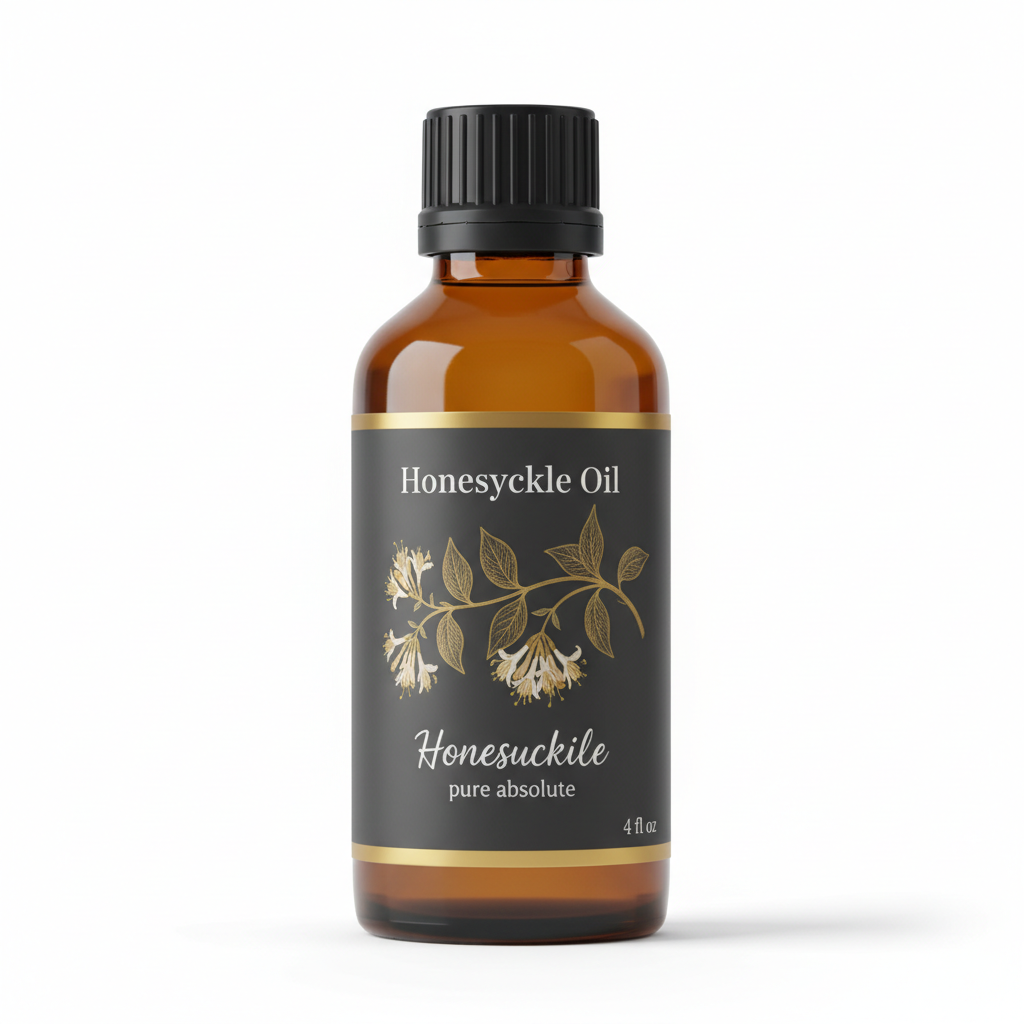
Honeysuckle Absolute
Our own Honeysuckle Absolute, in sizes from 0.5 oz to bulk.
From $13.99
Shop Now →The plant list is about a different plant
A lot of people reach for the ASPCA's plant list at this point. The ASPCA page titled honeysuckle describes honeysuckle fuchsia, Fuchsia triphylla, which it lists as non-toxic to dogs, cats and horses (ASPCA, Honeysuckle Fuchsia). That is a different plant from the vine our absolute comes from, Lonicera japonica. And a plant listing speaks to an animal nibbling a leaf, while an absolute is a concentrated fragrance extract that a pet might meet through fur, skin, licking or air. So the list cannot answer this question in either direction.
What the veterinary manual says
The closest authoritative text is the MSD Veterinary Manual's chapter on essential oil toxicoses, written by Kia Benson, DVM, of Pet Poison Helpline with peer review from Ahna Brutlag, DVM (MSD Veterinary Manual, March 2025). It is about essential oils, and absolutes are not mentioned, so what follows is a reasonable parallel and not a finding about honeysuckle. Its key points:
- Essential oils are absorbed quickly through the gut, skin, lungs and mucous membranes, and the higher the concentration, the greater the risk. Concentrated oils should never be applied directly to pets.
- Cats are more sensitive than dogs because they lack an enzyme that helps clear phenolic compounds, and their grooming adds skin and mouth exposure. Birds are singled out as particularly sensitive to fragrances and aerosolized particles.
- Signs after skin contact or swallowing include vomiting, lethargy, drooling, wobbliness and loss of appetite. Breathing in an oil can bring watery eyes, coughing or wheezing.
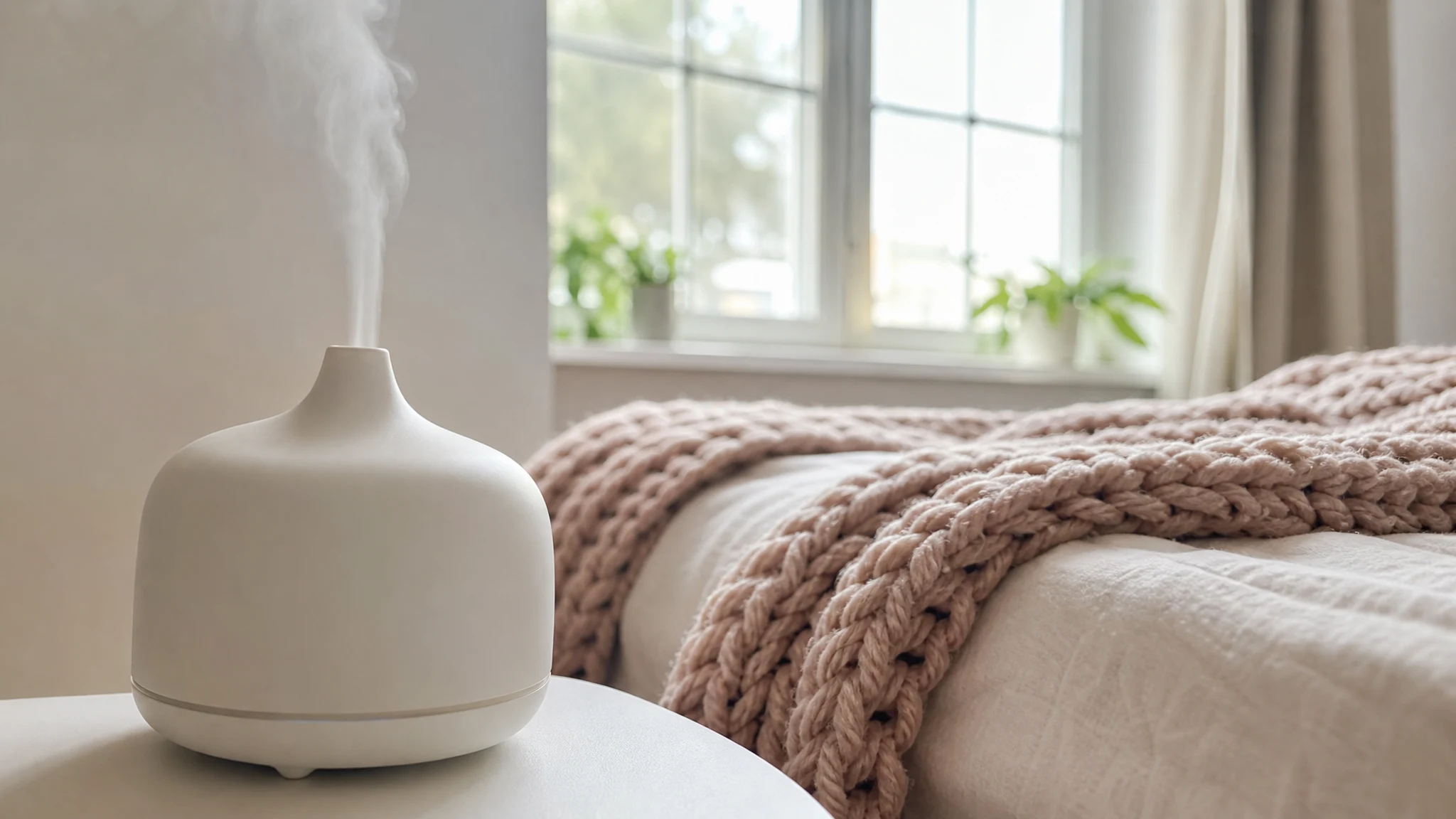
- Reed diffusers and candles do not release droplets, so unless one is tipped over the main concern is airway irritation. Ultrasonic and nebulizing diffusers release microdroplets that can settle on fur or feathers and then be absorbed or licked off, which matters most for cats and birds.
Our reading of that, as reasoning and not a veterinary opinion: a thick, concentrated, solvent-extracted flower material sold neat sits in the same family of things to keep well away from animals.
How we would handle it at home
- Never apply honeysuckle absolute to a pet's skin or coat, diluted or not. Our own guidance is to keep it away from children and pets.
- Keep bottles capped and out of reach. A tipped bottle is the likeliest way for a pet to meet it neat, so wipe spills straight away. Our storage guide has handling tips.
- If you scent a room, the manual's advice is to keep pets out of the room while a diffuser runs, ventilate afterward and run it only briefly. Whether to diffuse at all around your particular animal is a question for your veterinarian. For more on room scenting see inhalers and car diffusers.
- Rabbits, small mammals and birds have their own respiratory limits. Ask a veterinarian about them before scenting a room they share.
- Wash your hands after working with the absolute before you pet an animal.
Living with scent and animals day to day
Pets live at nose height, and their noses are far keener than ours. Something that smells faint to you can be loud to a dog. It helps to think about where your animal sleeps, eats and spends the day, and to keep your scented projects away from those spots. Work at a table in a room with the door closed, and open a window afterward.
Small habits that help
Choose one place for your bottles, such as a high closed cabinet or a lidded box, and put them back every time. Wipe the neck of a bottle after use so no residue is left on the shelf where a curious paw might reach. If a project involves a lot of mixing, finish it in one session so nothing sits open on a counter. And if you have handled the absolute, wash your hands and change any sleeve that touched it before you cuddle anyone with fur or feathers.
If a pet is exposed
Call your veterinarian or an animal poison hotline straight away, and have the bottle with you. The manual says not to induce vomiting, because of the risk of aspiration, and that treatment is supportive care and decontamination by bathing or fresh air under a veterinarian's direction. Note the time, roughly how much, and whether it was on skin, licked, swallowed or breathed in.
We sell honeysuckle absolute as a cosmetic fragrance material for people's external use, and nothing for animals. For the human-side picture, see is honeysuckle oil safe, and for the common claims around oils, our myths article.
When in doubt about a particular dog, cat or bird, the best advice will come from the veterinarian who knows that animal.
Honeysuckle Absolute
Honeysuckle Absolute from our own shop, in sizes from 0.5 oz to bulk.
From $13.99
Shop Now →