How to Store Honeysuckle Absolute: Air Matters Most
Most people worry about where to put the bottle. The better question is how much air is in it. A nearly full bottle opened twice a month is in a happier place than a half-empty one opened every day on a bright shelf, and that single idea shapes everything below.
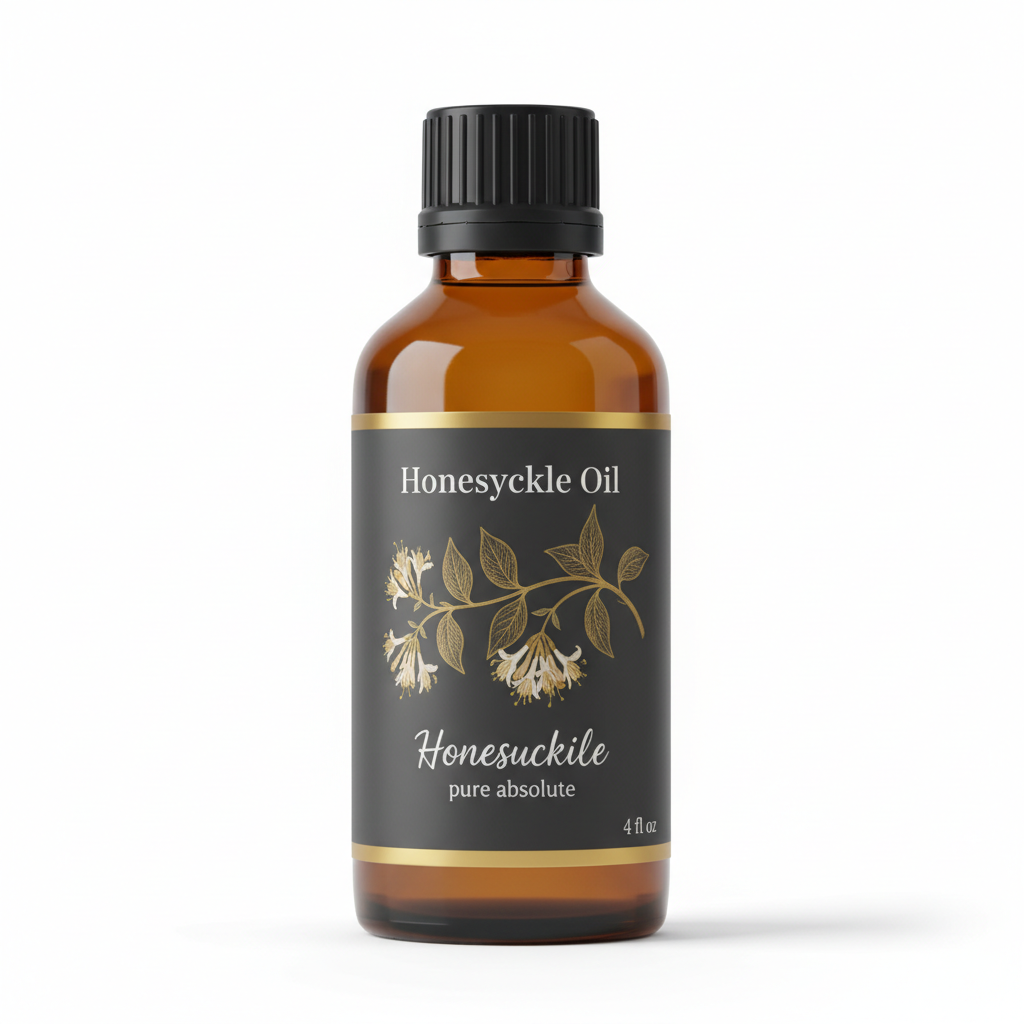
Honeysuckle Absolute
Our own Honeysuckle Absolute, in sizes from 0.5 oz to bulk.
From $13.99
Shop Now →Why air, heat and light are the three to watch
Aromatic oils slowly oxidise, and the Tisserand Institute names the usual accelerators as heat, light and moisture, adding that the more air there is in a bottle, the faster the process goes (Tisserand Institute, oxidised oils). That guidance is written for essential oils, and we borrow it here for an absolute, since the same chemistry of air, warmth and light applies to a delicate floral. There is a skin angle too. In one laboratory study, linalool left in air for ten weeks lost about a fifth of its content, formed a hydroperoxide, and in guinea pigs the aged sample sensitised the animals while fresh linalool did not (Sköld et al., Contact Dermatitis, 2002). Linalool turns up among the aroma compounds reported from Lonicera japonica flower concrete (Shang et al., 2011), though that study did not look at an absolute. The sensible takeaway is that fresher material is the better partner for skin, and that tidy storage protects the scent and your formulas alike.
The arithmetic of a half-empty bottle
Air space grows each time you use some. The batch on our published Certificate of Analysis has a relative density of 0.989, so a 1 oz bottle holds about 29.2 g. If you go through 5 g a week, that bottle is empty in about six weeks. A 16 oz bottle at the same pace lasts closer to a year and three quarters, and it spends all that time with an ever-larger gap above the liquid and a cap that has been opened dozens of times.
We sell the same absolute in every size, so size is simply a matter of how fast you use it. If you buy large because the cost per gram suits you, split it on the first day. Our first-size guide helps match bottle to pace.
The split-on-arrival plan
We recommend storing the absolute sealed, cool and out of direct light, and decanting working amounts into smaller airtight bottles instead of leaving a large container open. Here is that advice as steps.
- Decide what you expect to use in about two months. At 5 g a week that is roughly 40 g, so a 1 oz vial and a small spare.
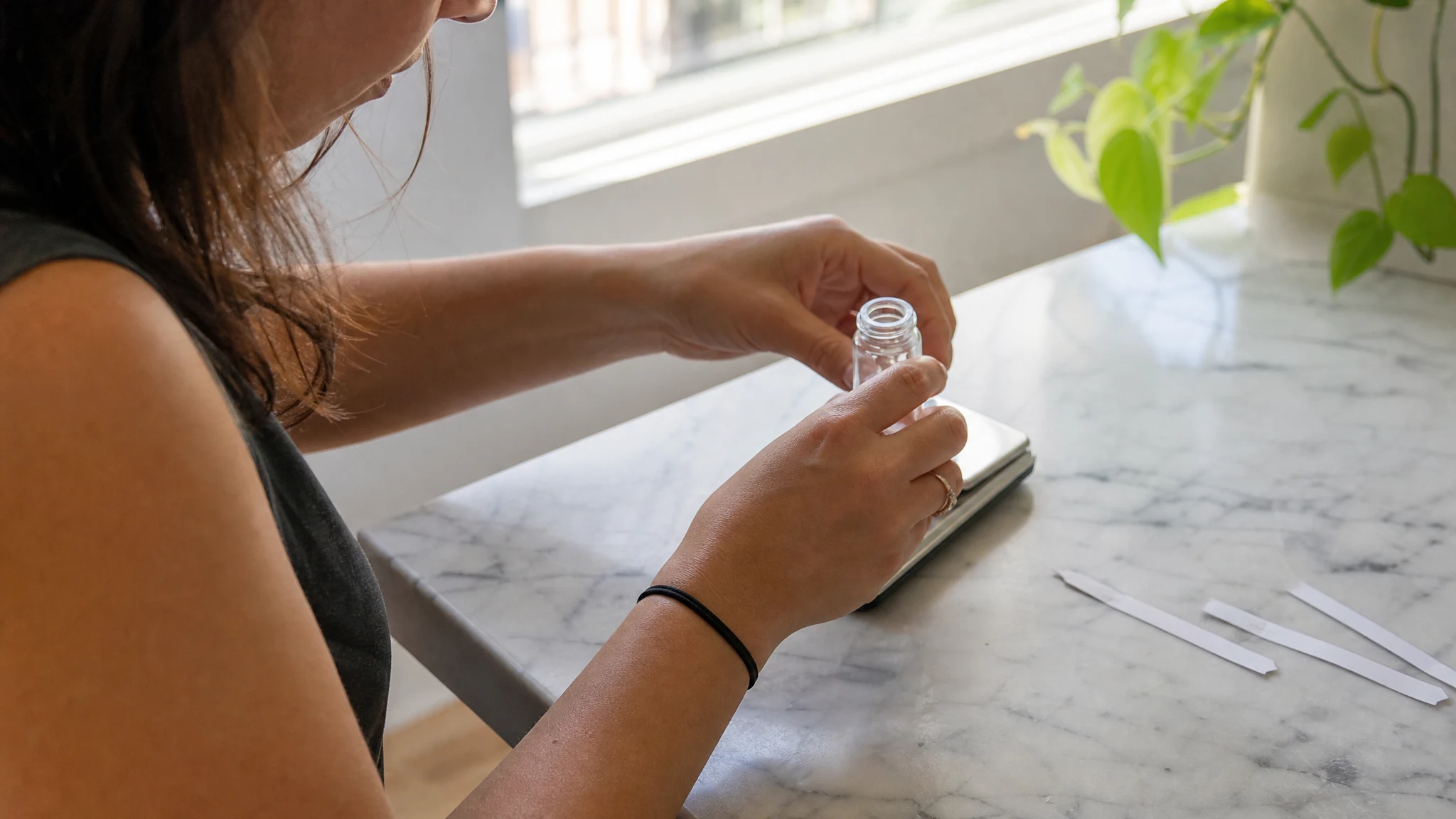
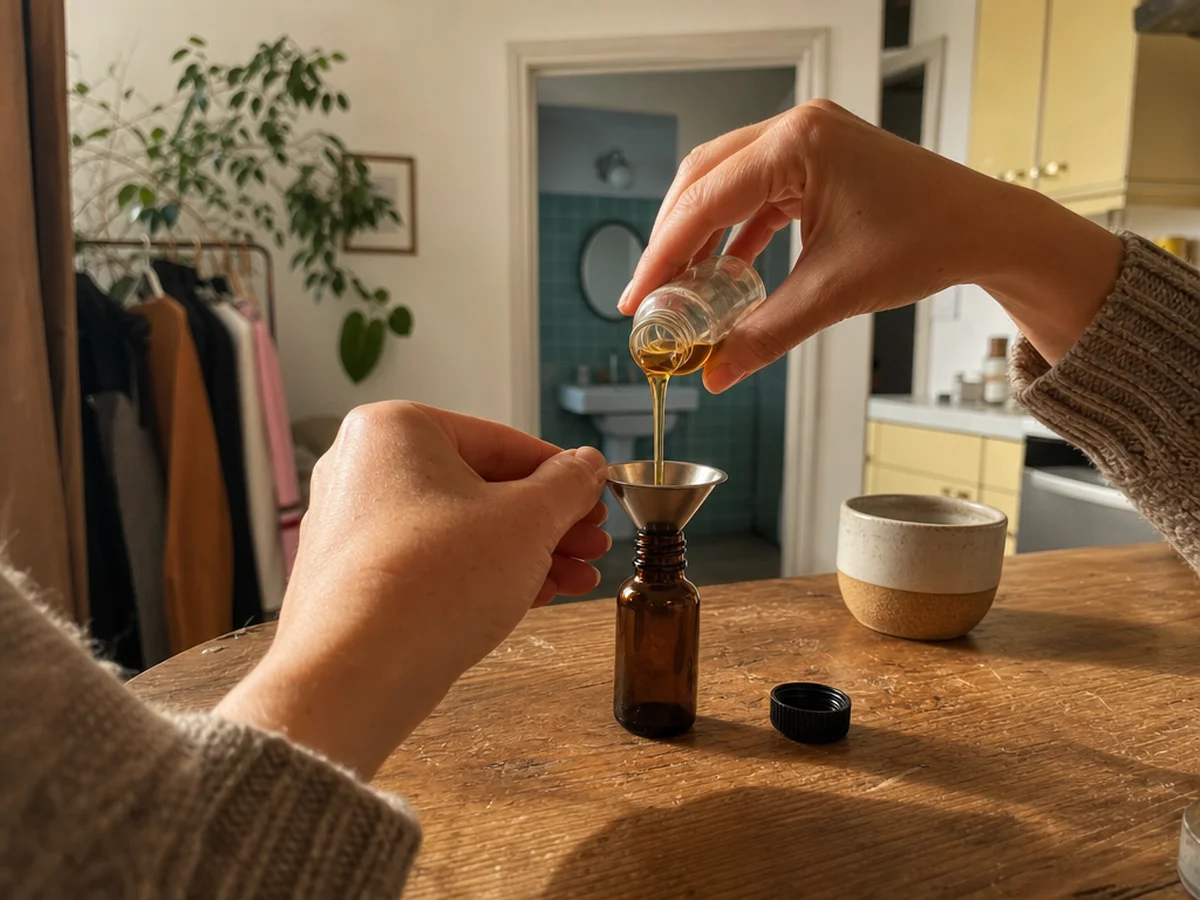
- Warm the sealed bottle in your hand until it pours, since the absolute thickens with age and in the cold, then fill small amber vials close to the neck. A full vial has almost no air, and a third-full vial is two thirds air.
- Cap each vial the moment you finish, and write the lot number and date on it. Keep the reserve vials sealed and away from the one in use.
- Open only the working vial, and when it drops below a third full, move what is left into the next smaller vial.
A dropper is handy for transfers, and a plain cap is the best seal to put back on afterwards.
What about the refrigerator?
Robert Tisserand has written that refrigeration roughly doubles the useful life of essential oils, that a freezer does no harm, and that cold only thickens some oils, which a minute in your hand fixes (Tisserand, 2013). He also stresses firm caps and no condensation inside the bottle. For an absolute that is already thick, the practical version is this. Keep reserve vials cool if you like, and let one come fully to room temperature with its cap on, wipe the outside dry, and only then open it. Skip the fridge for the working vial, because the repeated cold-and-warm cycles invite moisture each time.
Good spots and bad spots
- A cupboard or drawer away from the window is the ideal home. Our bottles are amber glass in every size, which cuts light, and a cupboard does the rest.
- A bathroom shelf puts the bottle next to steam and warmth, two of the three accelerators.
- A sunny sill or desk adds light and heat. Amber glass helps, but a cupboard is better.
- Open on the bench for the length of a project is the quickest way to add air. Pour what you need, cap, then work.
- A display bottle that gets sniffed all the time is really a tester, and Tisserand notes that constantly opened testers may already be oxidised.
If you want a one-minute routine, it is this: after each use, wipe the neck, cap firmly, and put the bottle back in the same cupboard spot. A fixed home means a bottle never gets left on a bench by accident.
Dating and checking
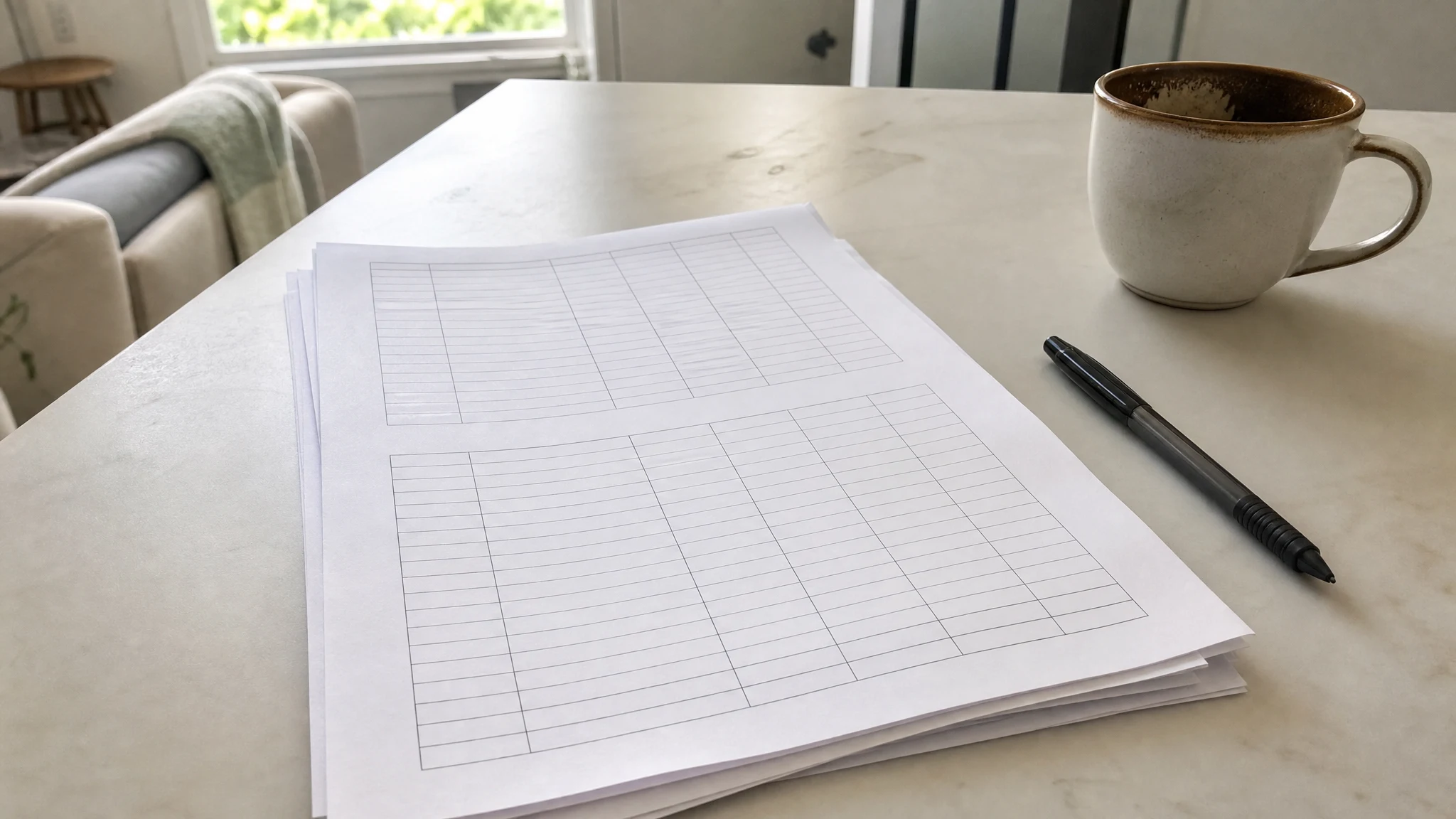
Write the first-open date on each vial. A nice habit is to keep a small reference vial filled nearly to the top, from the same lot and stored in the dark, and to compare a fresh blotter from your working vial against it every few months. If the working vial smells sharper, sourer or flatter than the reference, keep it off your skin and use it in something that is not worn, such as a scented sachet. The safety guide covers patch testing, and what is normal for colour and thickness helps you tell ageing from simple cold.
The certificate we publish lists a best-by of 02/05/2027 for its one batch. If you need a documented date for the lot you hold, ask us in writing through the contact page before you order.
The rule that holds up without any study is a tidy one: less air, less heat, less light, fewer openings, and a date on the label.
Honeysuckle Absolute
Honeysuckle Absolute from our own shop, in sizes from 0.5 oz to bulk.
From $13.99
Shop Now →Sources & Further Reading
- Tisserand Institute, undated. Is my bottle of essential oil oxidized or no longer good to use? tisserandinstitute.org/learn-more/oxidized
- Tisserand R, 2013. Lemon on the rocks: keep your essential oils cool. roberttisserand.com
- Sköld M, Börje A, Matura M, Karlberg AT, 2002. Studies on the autoxidation and sensitizing capacity of the fragrance chemical linalool, identifying a linalool hydroperoxide. Contact Dermatitis 46(5):267-272. pubmed.ncbi.nlm.nih.gov/12084079
- Shang X et al., 2011. Lonicera japonica Thunb.: ethnopharmacology, phytochemistry and pharmacology of an important traditional Chinese medicine. J Ethnopharmacol 138(1):1-21. PMC7127058