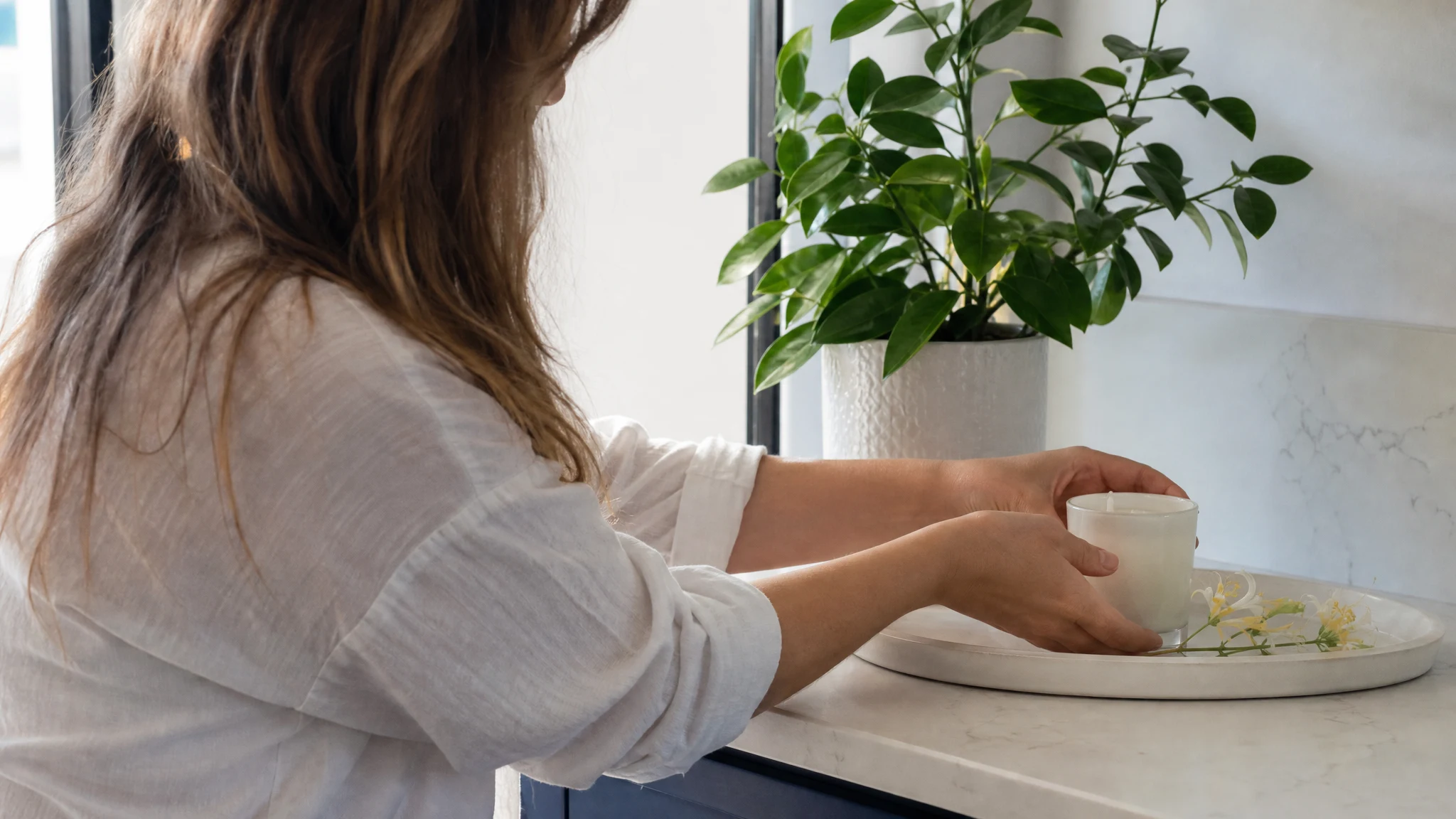
Honeysuckle Absolute in Candles: Your Questions
Candle makers tend to ask the same handful of questions before they pour a floral absolute into wax, and most answers online are written for fragrance oils. Honeysuckle absolute is a different material: thick, sold neat and made by solvent extraction. These are the questions we would want answered, with figures from wax data sheets and plain arithmetic.
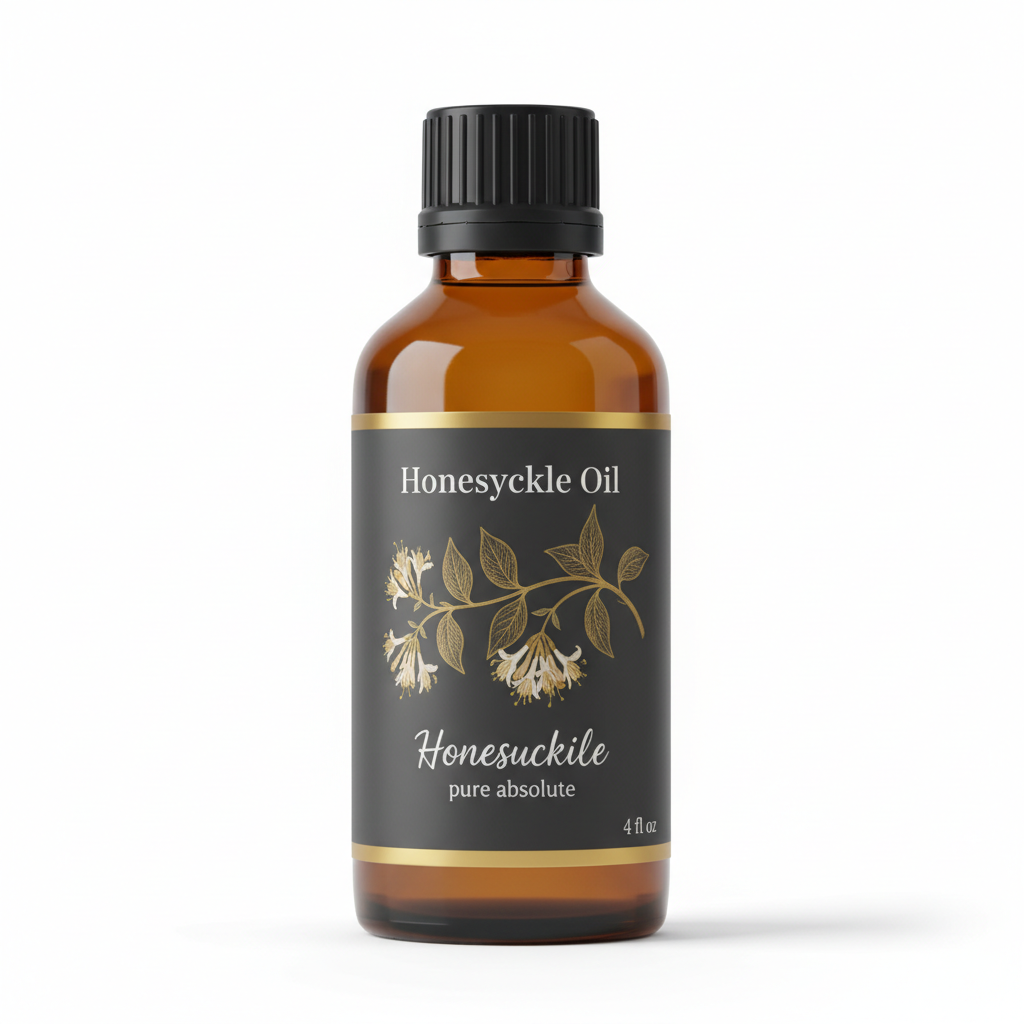
Honeysuckle Absolute
Our own Honeysuckle Absolute, in sizes from 0.5 oz to bulk.
From $13.99
Shop Now →Can I put honeysuckle absolute in a candle?
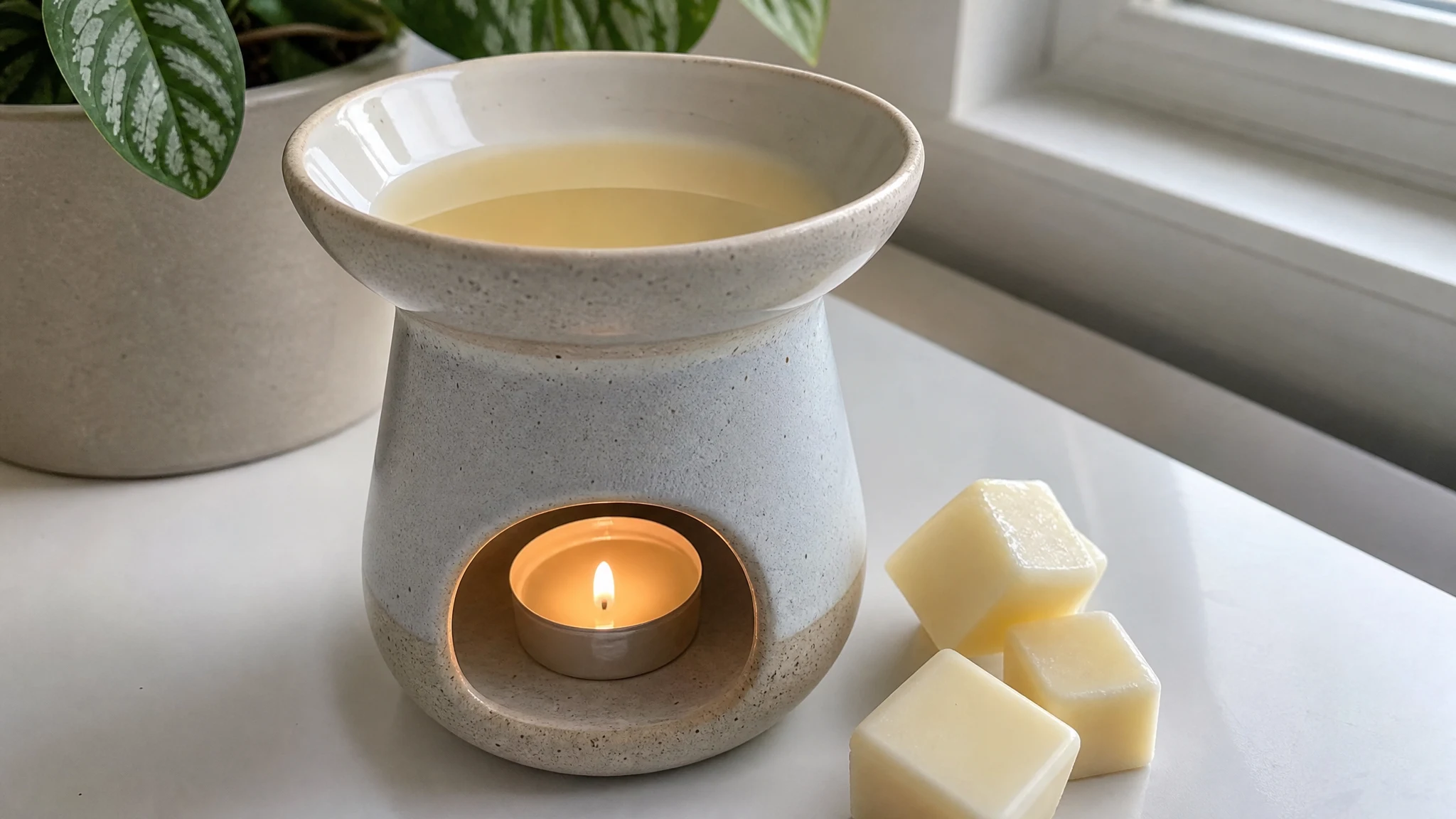
Yes, it mixes into melted wax like any oil, and candles are among the uses we list for it. The soy container wax data sheet we checked allows fragrance of "up to 10-12%" and recommends scents developed for natural wax, warning that some fragrances can bleed or affect the flame. An absolute was not created for candles, so make your first pour a small test jar, and our soy candle walk-through sets out a three-jar version.
How much should I use?
Candle loads are a share of wax weight. One craft supplier gives 6% to 10% and calls 6% to 8% typical, adding that more oil does not always mean stronger throw. Because a trace of honeysuckle absolute goes a long way, we would begin at the low end of that range and move up only after a test burn. Any IFRA certificate that comes with a material sets the ceiling, and our IFRA article explains what we could and could not find for honeysuckle.
How many candles does one bottle scent?
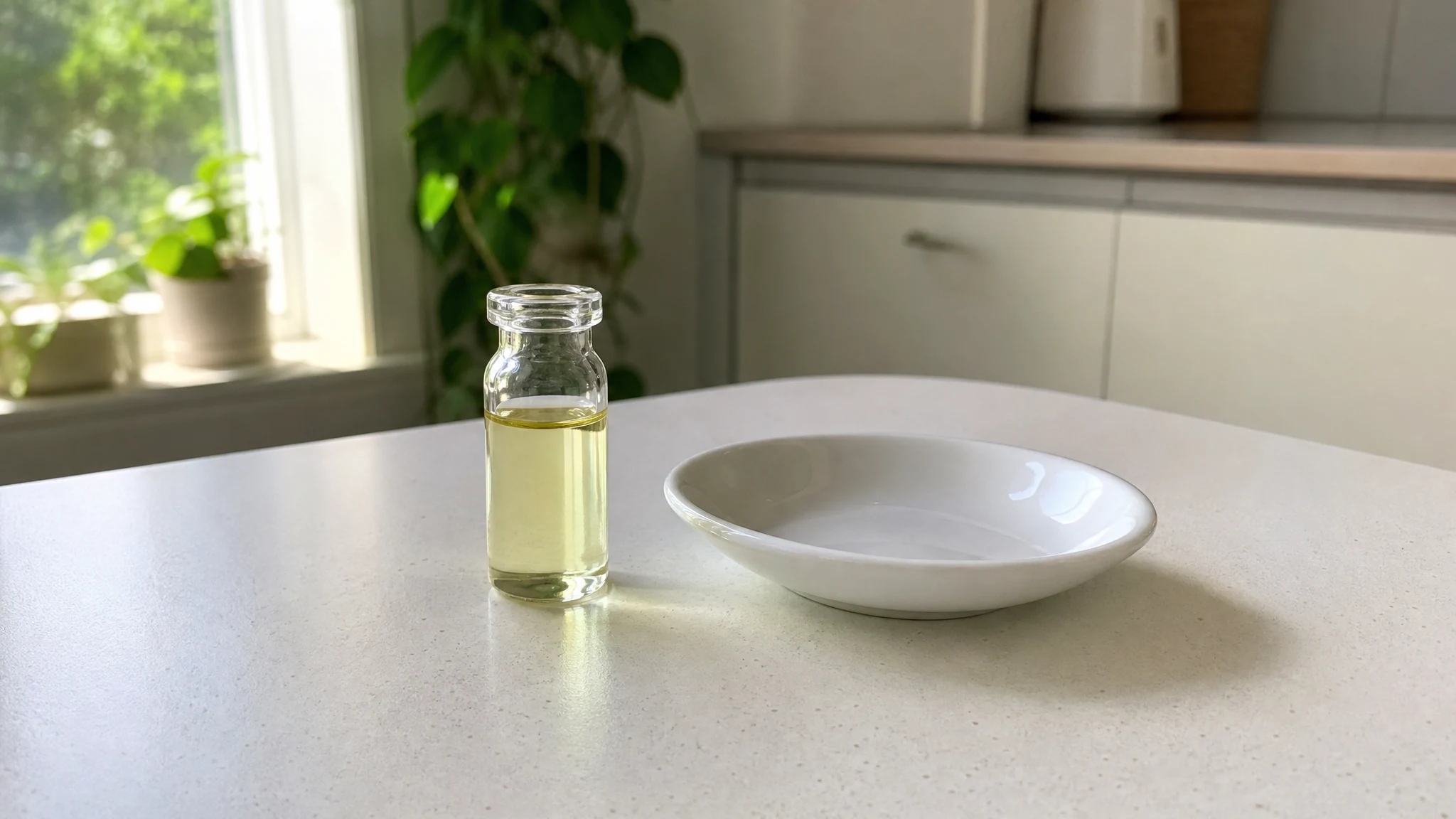
The Certificate of Analysis we publish for one batch gives a relative density of 0.989, so a 1 oz bottle holds about 29.2 g. At a 6% load, 100 g of wax needs 6 g, so one bottle scents roughly five of those candles; at 8% about three and a half; at 10% about three. A 1 lb batch of wax at 6% takes about 27 g, close to a whole 1 oz bottle. That is a good reason to make a small first batch.
When do I add it, and how hot should the wax be?
Late and cool. The data sheet says wax need not go above 85 C, tolerates brief peaks to 90 C if it cools quickly, and advises letting the wax cool to your pour temperature, adding the fragrance and mixing just before the pour. It suggests pouring near the congealing point, about 45 to 55 C, and warming jars to roughly 45 to 50 C. Different waxes have different numbers, so use the sheet for the wax in your pot. Warm the closed bottle in your hand for a minute first, since the absolute thickens in the cold.
Will the scent come through when it burns?
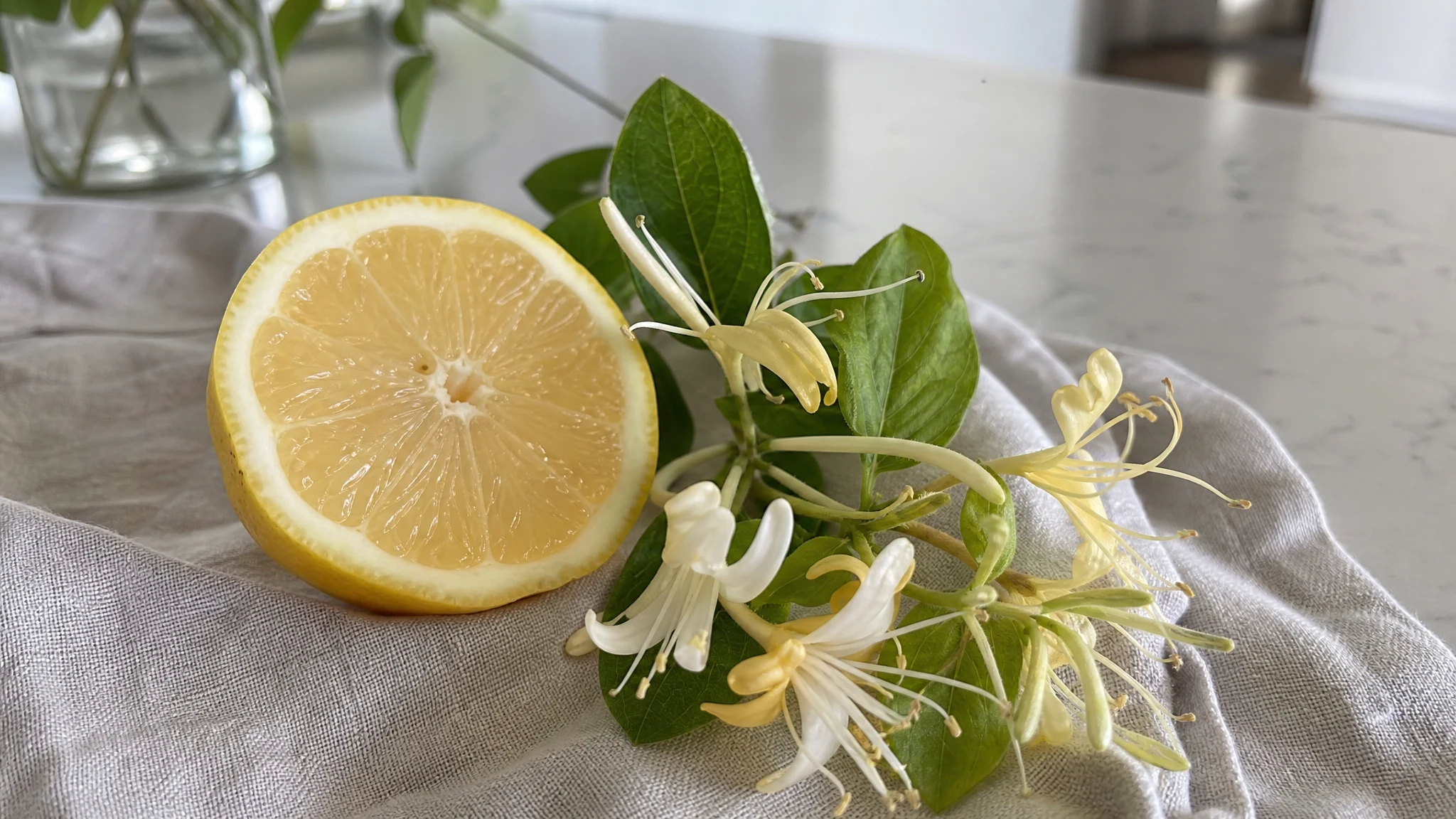
That depends on wax, wick and jar more than on the absolute. The data sheet says burn pool size and depth greatly affect fragrance throw, so correct wicking matters, and that every combination of container, wax, dye, fragrance and wick should be test burned. Let the candle set for at least 48 hours before judging. Honeysuckle is a soft, middle-note floral, so expect a gentle candle you notice as you sit near it rather than one that fills a house.
How do I judge a test candle fairly?
Be patient and a little fussy. Light the candle in a room without a draught, and notice the scent at three moments: the unlit jar when you lean in, a few minutes into the first burn, and an hour later from across the room. Honeysuckle tends to show itself differently at each. Write down what you smell, the wax, the wick and the load in one line, so the second jar can change only one thing at a time. A notebook beside the scale is the most useful tool in the whole process.
Will it colour my wax?
It can tint pale products lightly, so pour a test jar before committing a kilo of wax to a white or pastel candle. The standard on our Certificate of Analysis reads "Pale yellow to yellow liquid", and if your bottle looks different from that wording, contact us.
It also helps to look at the wax once it has set. A pale candle with a faint warm cast is what you would expect from a floral absolute, and a colour you did not expect is a good reason to make the next test jar smaller rather than bigger.
What about flash point and selling candles?
Our Certificate of Analysis does not list a flash point. If you plan to sell candles, ask us in writing through the contact page, before you order, for the information you need for your product file. The National Candle Association's safety tips are a useful baseline for anyone burning or labelling candles: trim the wick to a quarter inch, keep candles 12 inches from anything flammable and 3 inches apart, and stop burning when half an inch of wax remains.
Which wax is best?
We cannot rank waxes for this absolute, and we would be wary of any page that does. Our wax comparison lays out what the data sheets say about soy, coconut and beeswax so you can choose by melting range and ingredient list.
A small-batch habit worth keeping
If you are new to this, we would suggest scenting just two or three jars the first time, at the lowest load in your range. Label each jar with the load and the date on the bottom, and set them somewhere cool and dark while they cure. Candle making rewards the person who waits. The scent you smell on day one is often not the one you will settle on by day three, and a short wait costs nothing.
The best candle questions are usually settled by one small jar, a scale and a little patience.
Honeysuckle Absolute
Honeysuckle Absolute from our own shop, in sizes from 0.5 oz to bulk.
From $13.99
Shop Now →