What Is Honeysuckle Absolute Used For? Best Uses
Most lists of ways to use a floral oil run to fifteen items, and honeysuckle absolute does not need fifteen. It is a concentrated scent material, so it is happiest where a little goes a long way: a roll-on, a solid perfume, a spray for a room. Think of the uses as a ladder from very small doses up to big ones, and start near the bottom.
Honeysuckle Absolute
Our own Honeysuckle Absolute, in sizes from 0.5 oz to bulk.
From $13.99
Shop Now →What is in the bottle
We sell one honeysuckle absolute, Lonicera japonica, solvent-extracted and sold neat with nothing added. Hexane is run through the blossom to leave a concrete, the concrete is washed in high-proof ethanol and chilled, and what is left is the absolute. No steam is involved, so "honeysuckle oil" on our label means the absolute and not a distilled essential oil. Because it is neat, dilution is your job. For skin we recommend 0.5% to 2% in a carrier oil with a patch test first, away from eyes, children and pets, and never taken internally. That is our own guidance, not a regulatory limit; our IFRA article explains what we did and did not find on formal limits.
Perfume first
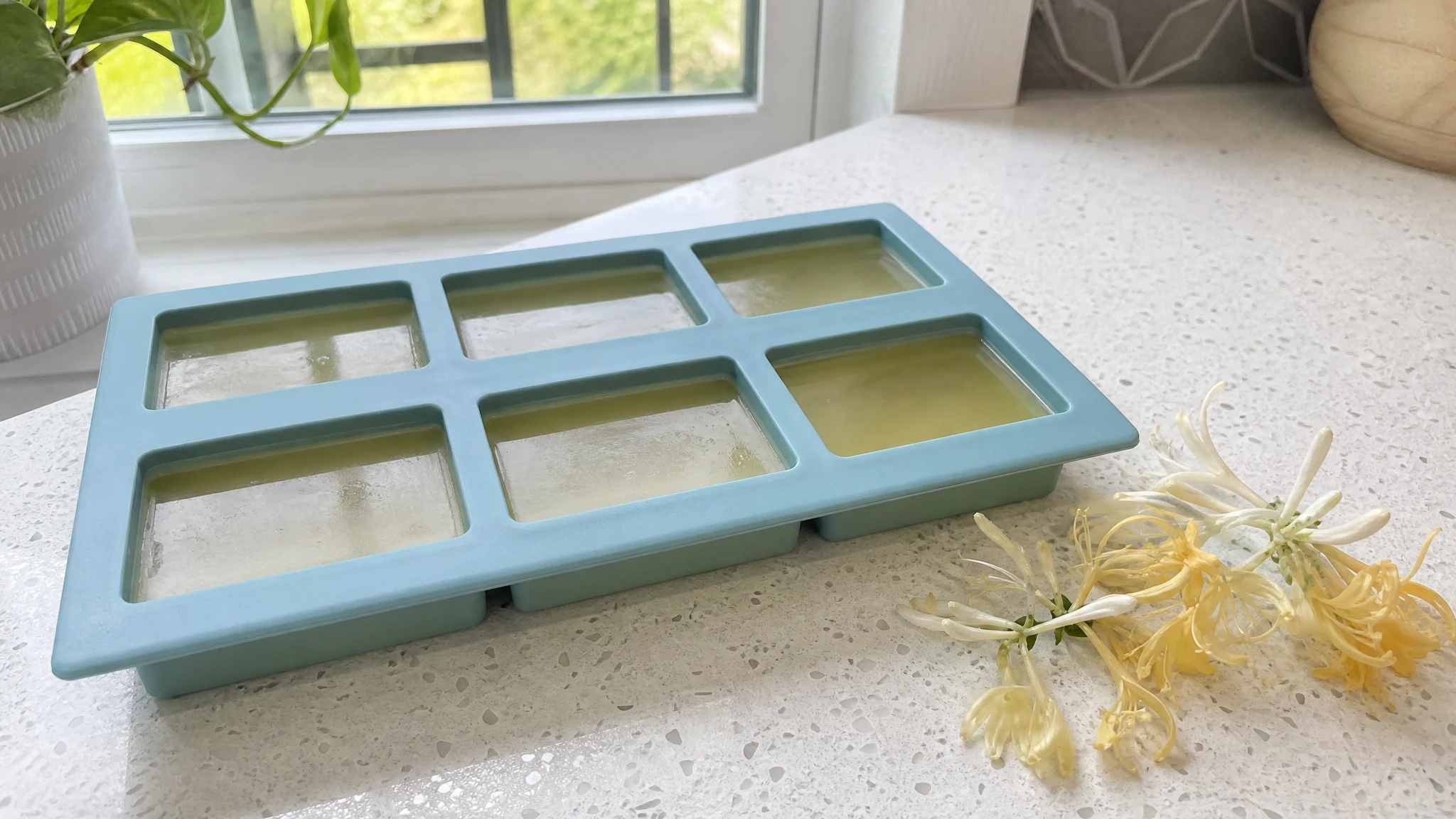
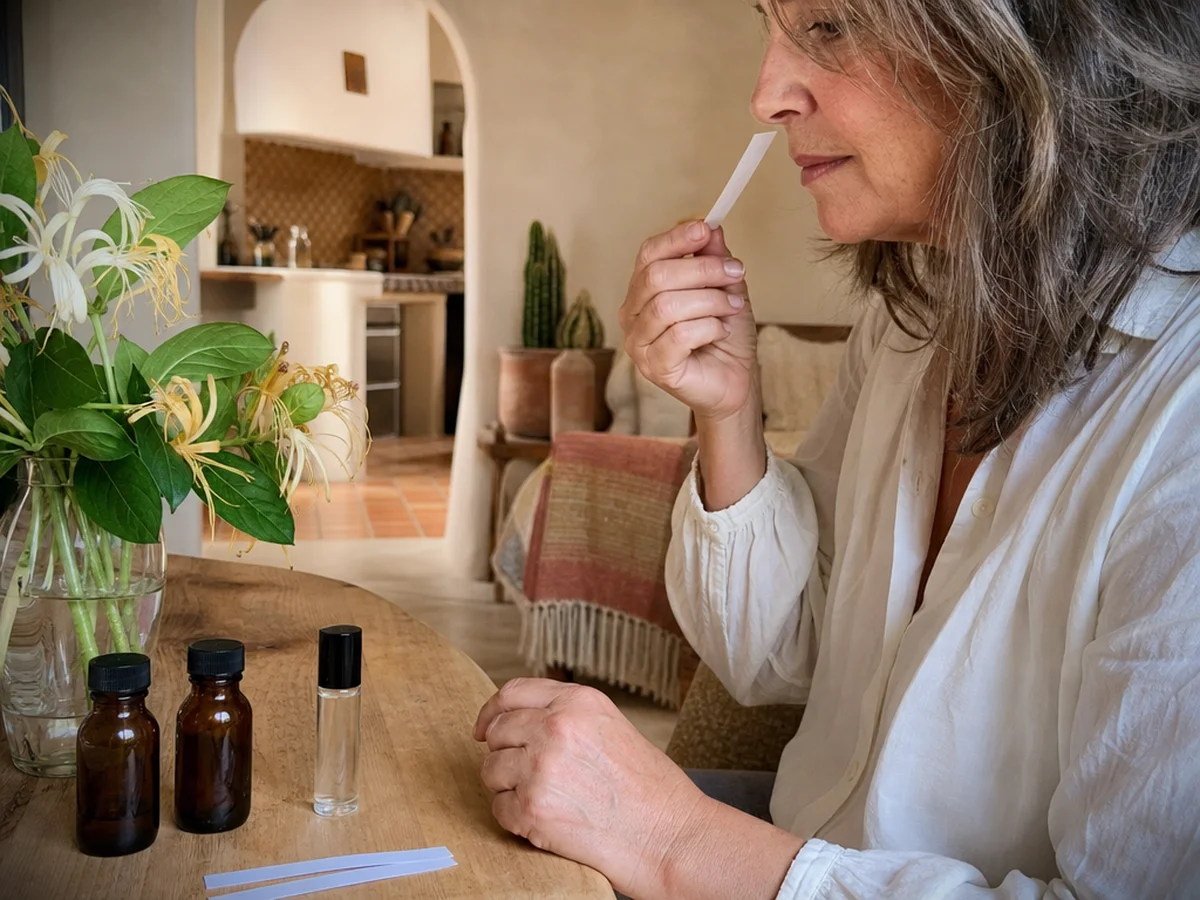
A roll-on or solid perfume is the natural home for the absolute. The dose is tiny, only small patches of skin are involved, and a solid perfume in beeswax needs no water or preservative. A craft supplier's guide puts typical loads at 10% to 15% of the finished blend for roll-on and solid perfume, and notes that an IFRA certificate shows the maximum for each application (Nature's Garden, 4 September 2026). Those are figures for fragrance oils that come with a certificate. We do not issue one for the absolute, so treat the supplier numbers as a ceiling and the 0.5% to 2% line as your guide for skin. For a 10 g roll-on, 1% is 0.1 g of absolute, or 1 g of a 10% stock; the dilution article shows how to make one. Weigh rather than count drops, since the absolute is viscous. A minute in a warm hand helps it pour. Our rollerball recipe walks through a full batch.
Body oil, where the math matters
Body oil covers a large area of skin, so it sits at the gentle end of our range. In 100 g of carrier, 0.5% is 0.5 g of absolute, 1% is 1 g and 2% is 2 g. Since 1 ml of our absolute weighs about 0.989 g on the Certificate of Analysis we publish for one batch, that is close to a milliliter per gram, or about 20 drops by the rough usual convention. Starting at 0.5% is plenty. The carrier comes from a cosmetic-supply shop or the grocery aisle; our carrier comparison helps you choose.
Sprays, soap, candles and wax melts
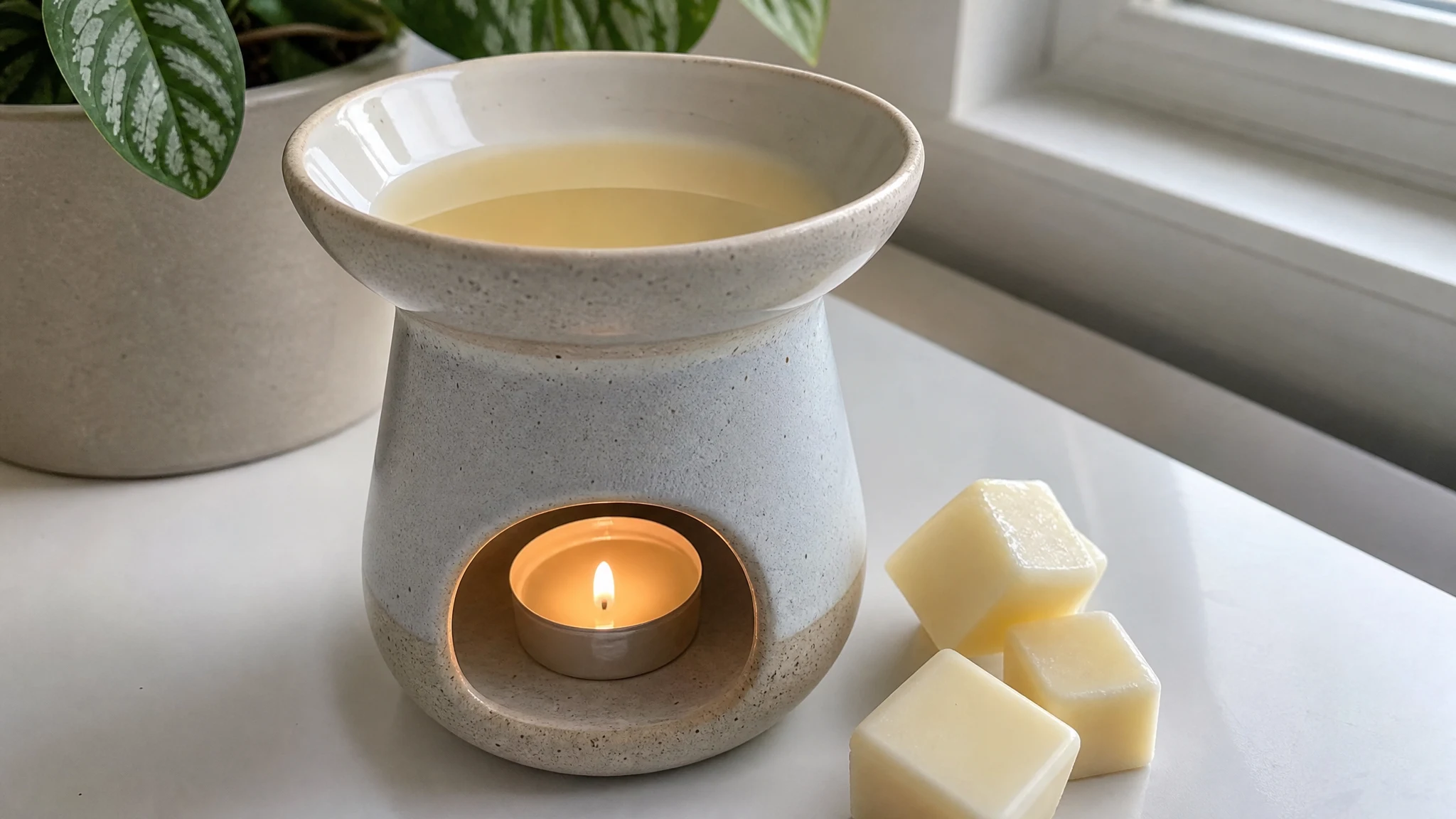
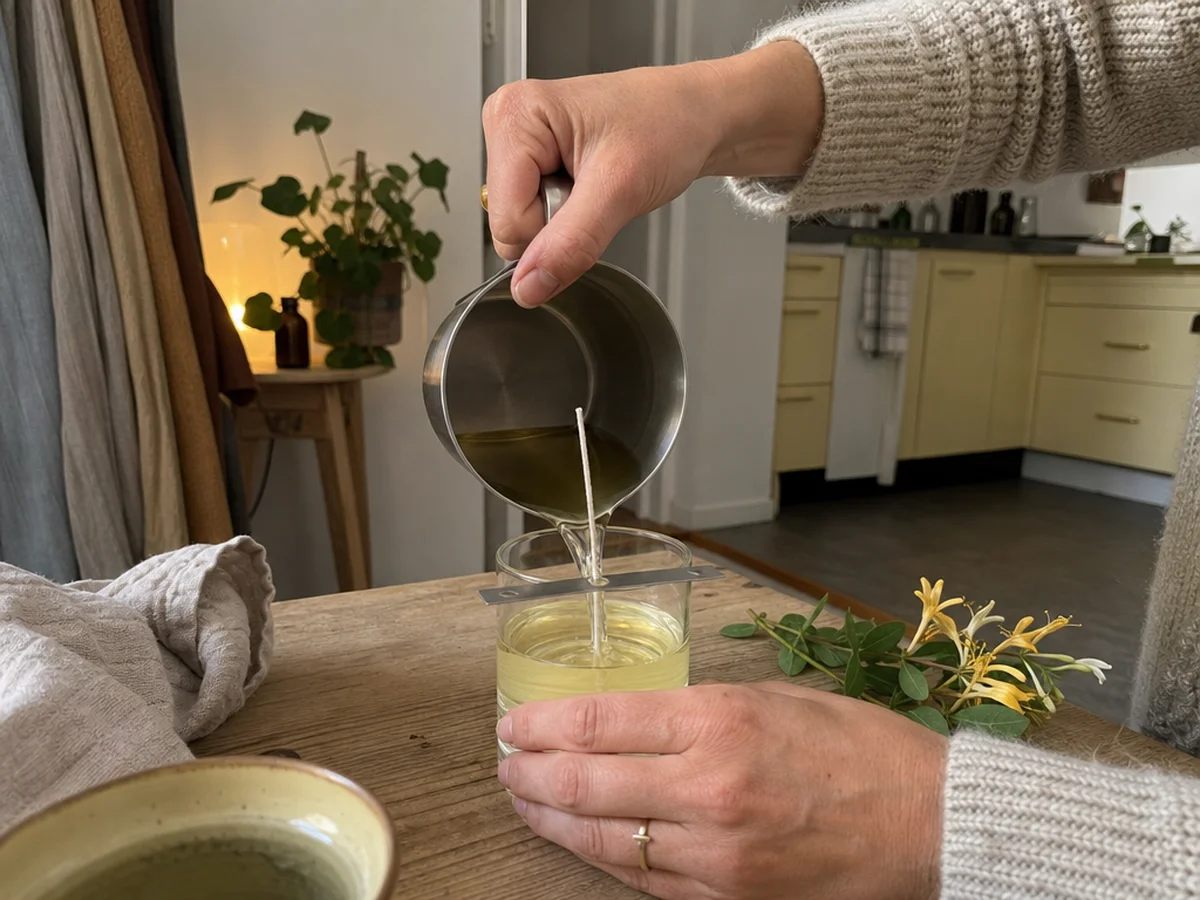
An ethanol room or linen spray keeps the absolute off your skin and uses very little, though ethanol is flammable, so keep it away from flame. The home fragrance guide compares the methods. Soap is a rinse-off product, and the soap and body care guide covers how to approach it. The absolute can lightly tint pale soaps, lotions and candles, so make a small test batch first. Candles and wax melts take the most absolute by far, since typical loads run 6% to 10% of the wax. If a scented room is the goal, a spray or a reed diffuser uses much less. Our candle article has the arithmetic.
Picking your first project
Ask yourself three questions. How much skin will this touch? How much absolute will it take? How soon will you finish it? A roll-on touches a small patch, takes a fraction of a gram and is easy to make again. A candle touches no skin but takes a great deal of scent. A body oil sits in between. The answers usually point to the roll-on or solid perfume as the best first step.
You will notice, too, that the same absolute reads differently in different bases. In an oil it tends to sit close to the skin, and in an alcohol spray it opens up faster and fades sooner. Neither is better. They simply suit different moods, and it is half the fun to try both.
Uses we would leave out
Not for lips, eyes, mouth, food or tea. Our absolute is an external, cosmetic scent material and not for internal use; if anyone swallows some, call a poison control center or physician. We make no medical claim for it, so do not use it as a medicine or sleep aid. For babies, children and pets, ask a pediatrician or veterinarian. The ASPCA's professional page, Are Essential Oils Dangerous to Pets?, advises against diffusing essential oils around birds, and it speaks to essential oils generally, not absolutes.
A word on fragrance and skin
DermNet's page on fragrance allergy says around 1% of adults react to fragrance, that the reaction is delayed by hours to days, and that applying a product to forearm skin twice a day for two weeks is a more reliable test than a quick dab. If you have reacted to fragrance before, ask a dermatologist or allergist before using it; the sensitization article has more.
The FDA's aromatherapy page is a useful reminder that a product meant to make you smell nice is a cosmetic, and a plant source does not change the safety standard it must meet.
Our suggestion is one small project in the smallest size: a solid perfume or a roll-on, with the stock labeled by date and lot number. Once you know how the scent behaves in your carrier, the bigger projects are easy to plan.
Honeysuckle Absolute
Honeysuckle Absolute from our own shop, in sizes from 0.5 oz to bulk.
From $13.99
Shop Now →Sources & Further Reading
- FDA. Aromatherapy (content current as of 09/08/2023). fda.gov
- Nature's Garden, 2026. How much fragrance oil to use: load and safety. naturesgardencrafts.com
- ASPCA Pro. Are Essential Oils Dangerous to Pets? aspcapro.org
- DermNet, 2020. Fragrance allergy. dermnetnz.org