What Is an Absolute? How a Flower Becomes One
"Honeysuckle oil" is a slightly misleading name, and we would rather say so up front. What we sell is an absolute, made with solvents rather than steam, and understanding the difference is the quickest way to understand why florals like honeysuckle, jasmine and gardenia smell the way they do in a bottle.
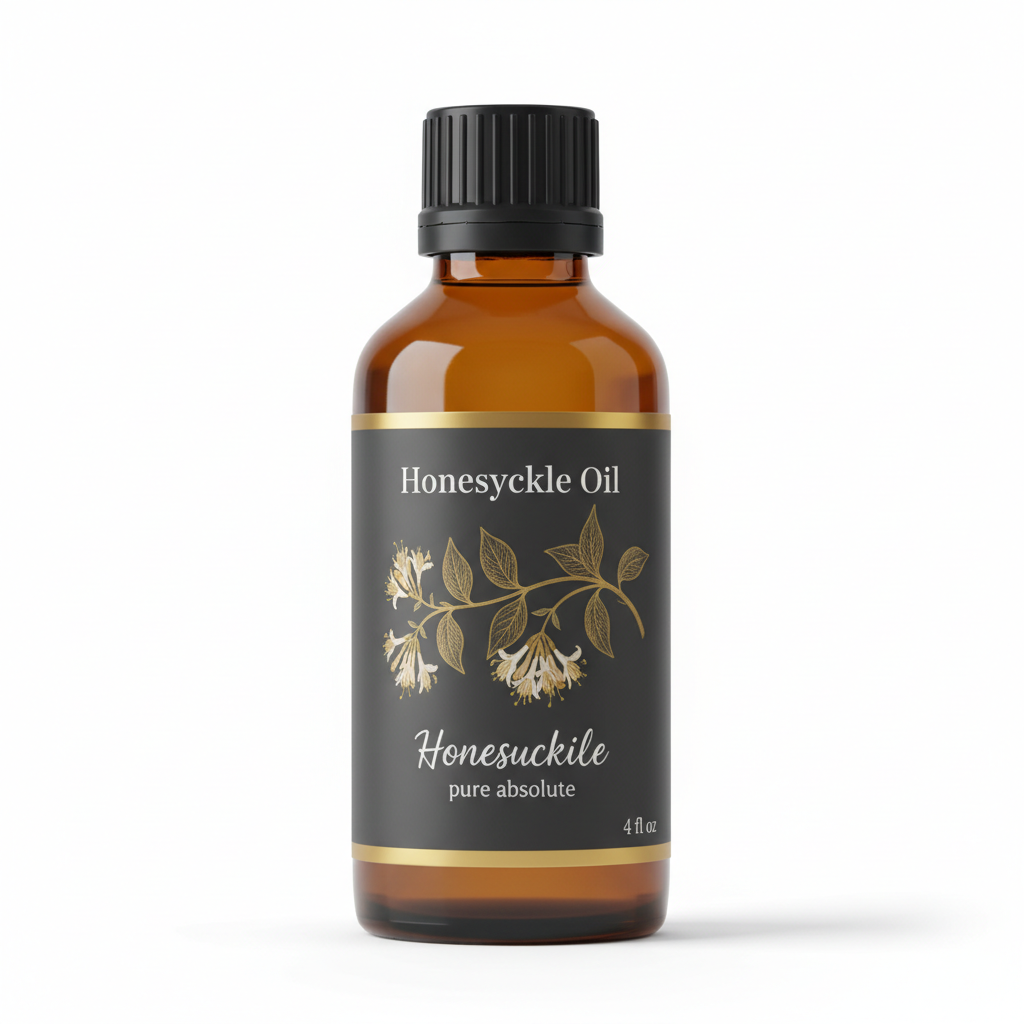
Honeysuckle Absolute
Our own Honeysuckle Absolute, in sizes from 0.5 oz to bulk.
From $13.99
Shop Now →If you have ever wondered why some bottles say "essential oil" and others say "absolute", the short answer is that they are made in different ways, and the difference shapes how each one smells, pours and behaves in a project.
From blossom to concrete to absolute
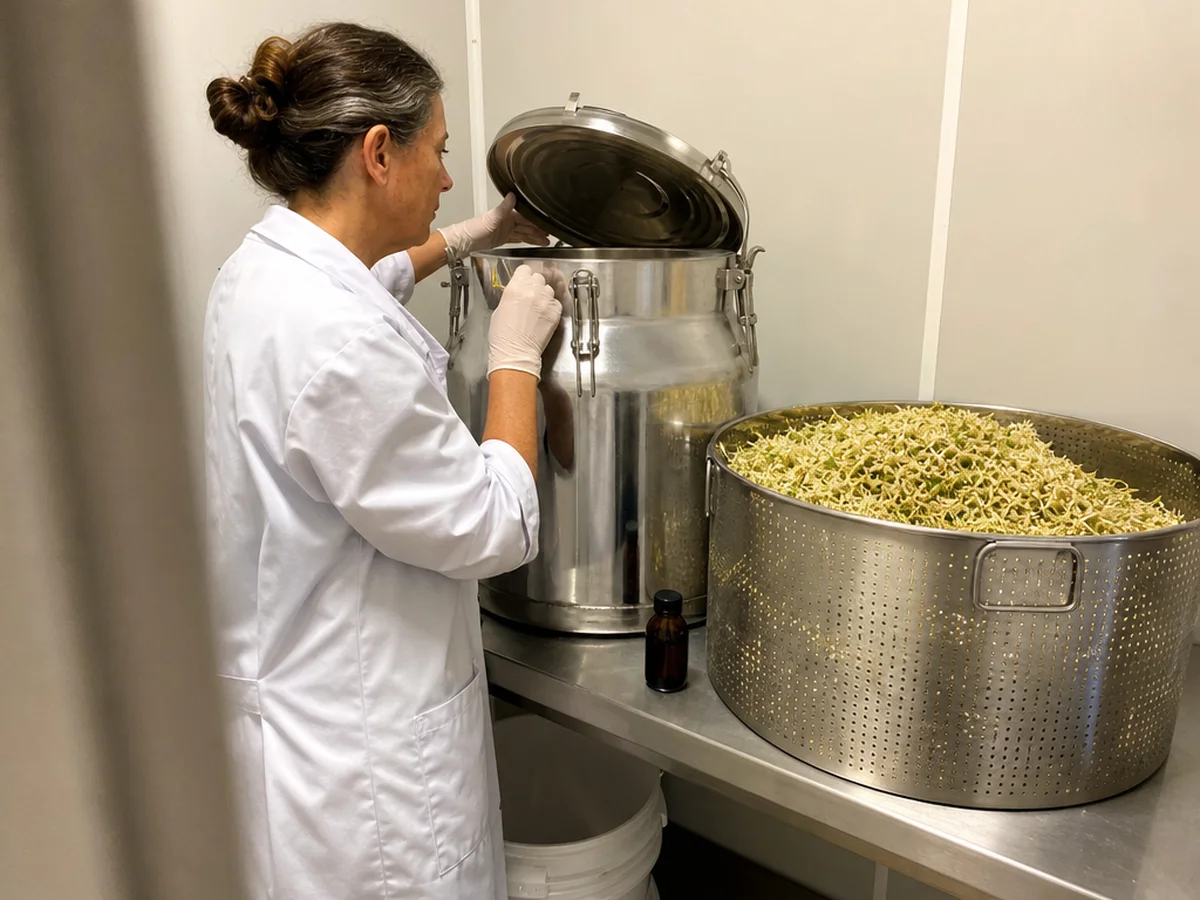
Our How It's Made page describes the path in three moves. A hydrocarbon solvent, in practice hexane, is circulated through the blossom. The solvent is drawn off, leaving a waxy, intensely aromatic mass called a concrete. The concrete is then washed in high-proof ethanol and chilled so the waxes settle out, and the filtered result is the absolute. The standard perfumery description adds that the cold ethanol is filtered and then evaporated off, which is why the final material is concentrated and viscous.
Each stage solves a problem. Hexane is good at pulling out the delicate aromatic molecules and the plant's wax alike. Ethanol keeps the aroma and leaves most of the wax behind. Chilling makes the wax solid enough to filter out. The extraction happens at a house we keep on file, and there is no still anywhere in the process.
Why not simply distill it?
Steam distillation is perfect for lavender or peppermint, where the fragrance is tough enough to survive a hot, wet journey. Many flowers are another story. For jasmine, a reference database says solvent extraction is the most common method and that steam distillation is not efficient. Honeysuckle shows why it matters: a review of the plant reports that a steam-distilled sample and a fresh-flower homogenate gave different leading compounds, so the method itself changes what you smell. We take that further in our article on honeysuckle steam distillation, and our home-making article explains why a kitchen version is a different material altogether.
What it feels like to use one
The first time you handle an absolute, it feels different from a typical essential oil. It is thicker, it clings to the neck of the bottle, and it may pour slowly in a cool room. Give it a minute in your hand and it eases. A drop on a blotter smells strong at first and then settles into something rounder. We suggest starting with the smallest amount you can weigh, smelling it at the start and again a few minutes later, and writing down what you notice.
Why flowers cost what they cost
A flower extract is a very small fraction of what goes in. As a sense of scale, the jasmine reference gives about 0.5% concrete from fresh flowers and 50 to 70% absolute from that concrete, so 100 kg of blossom becomes roughly a third to a quarter of a kilogram of absolute. Those are jasmine figures, not honeysuckle's, but they show why a floral absolute is a different kind of purchase from a citrus oil.
This is also why the same flower can smell a little different in a candle, a perfume and a body oil. The material is the same, but how it is carried, warmed or diluted changes how it comes across, so it is worth testing in the form you plan to use.
Three words you will see on labels
The industry's own naming system, built on an ISO standard, gives each material a separate number: 2.1 for absolute, 2.7 for concrete and 2.12 for an essential oil obtained by steam distillation. A label that says only "oil" could mean any of them. Concrete is a stage in our process, not something we sell, and honeysuckle is not sold by us as an essential oil. Our glossary covers the rest of the vocabulary.
A few practical habits
Keep a clean paper towel nearby, because a thick oil tends to leave a ring on the bottle. Wipe the neck before you cap it, which also keeps the cap from sticking. Use a glass or stainless tool for transfers, label every container, and work on a surface you do not mind wiping. These small habits are what make an absolute pleasant to work with instead of messy.
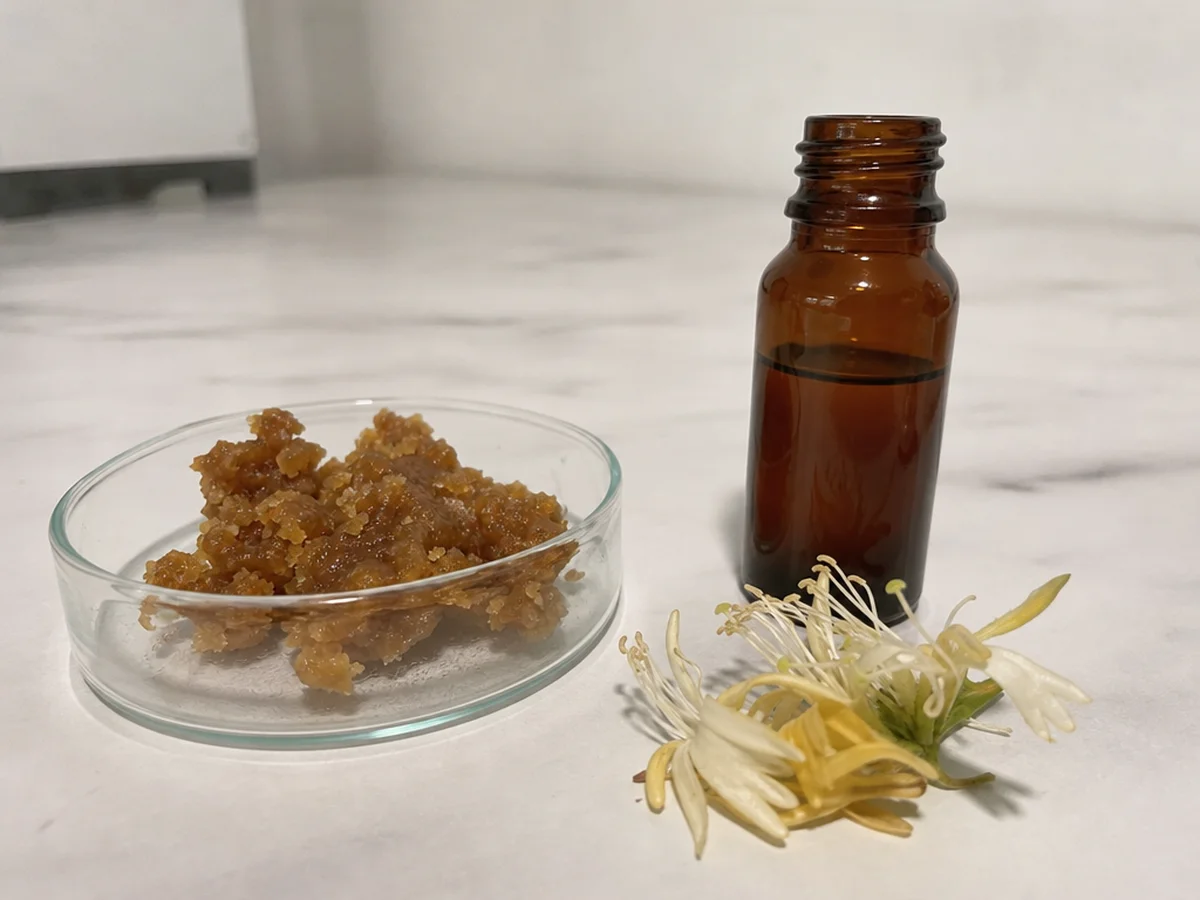
Handling an absolute
An absolute is thicker than most essential oils, and it thickens further with age and in the cold. That is normal. Warm the bottle in your hand for a minute and it pours again. Dilution is part of the routine: ours is sold neat, so we recommend 0.5% to 2% in a carrier oil for skin, with a patch test first.
Because the process uses a solvent, it is fair to ask any seller about residue. If you need a residual-solvent or GC-MS report for a particular lot, ask us in writing through the contact page before you order and get the answer in writing. Our solvent residue article looks at which hexane limits exist.
Once you know what the word means, a label that says "absolute" starts to tell you a story: flowers, solvent, ethanol, a cold filter, and a very concentrated scent at the end.
Honeysuckle Absolute
Honeysuckle Absolute from our own shop, in sizes from 0.5 oz to bulk.
From $13.99
Shop Now →