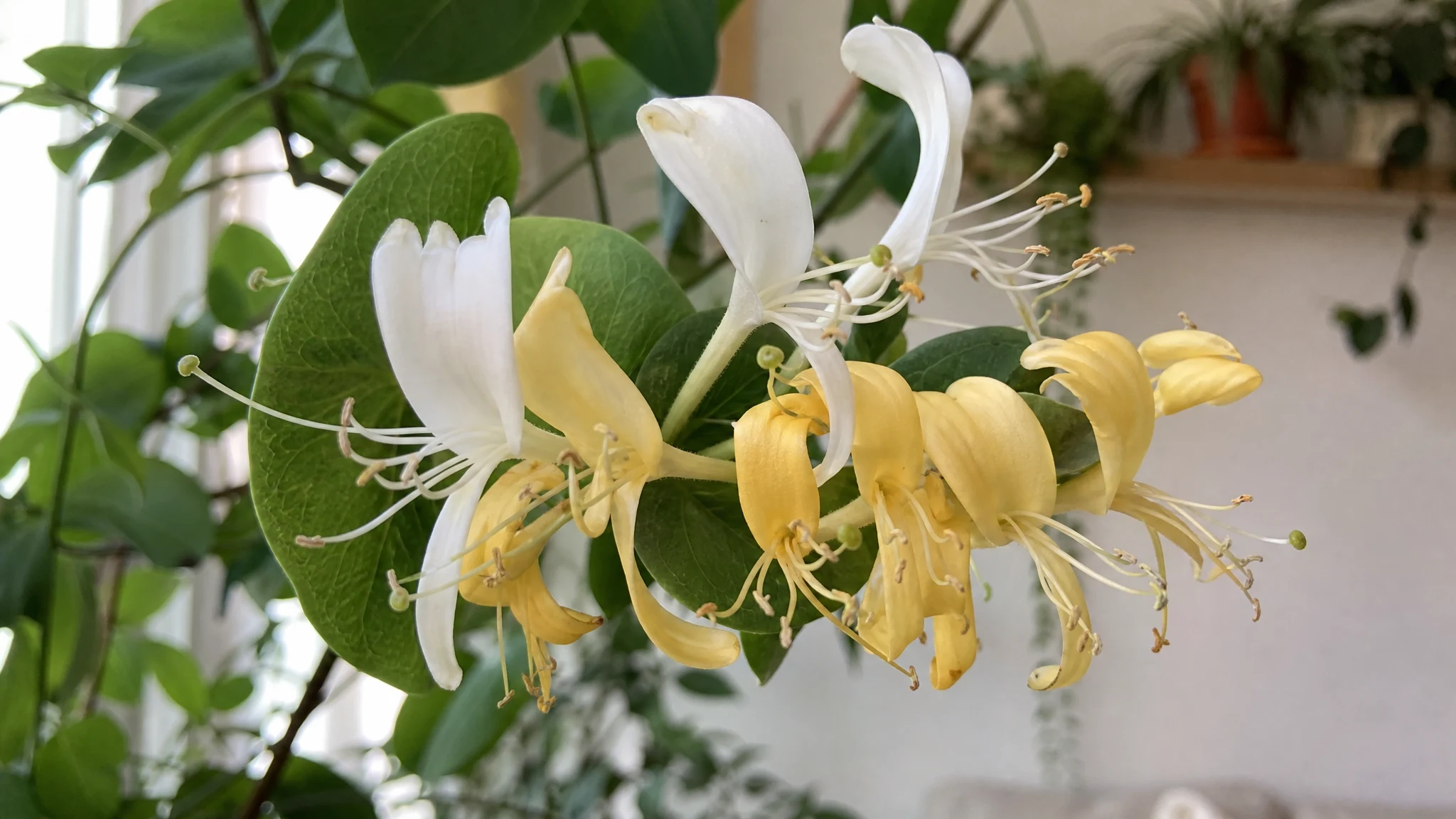
Honeysuckle Scent Chemistry: Why No Two Flowers Match
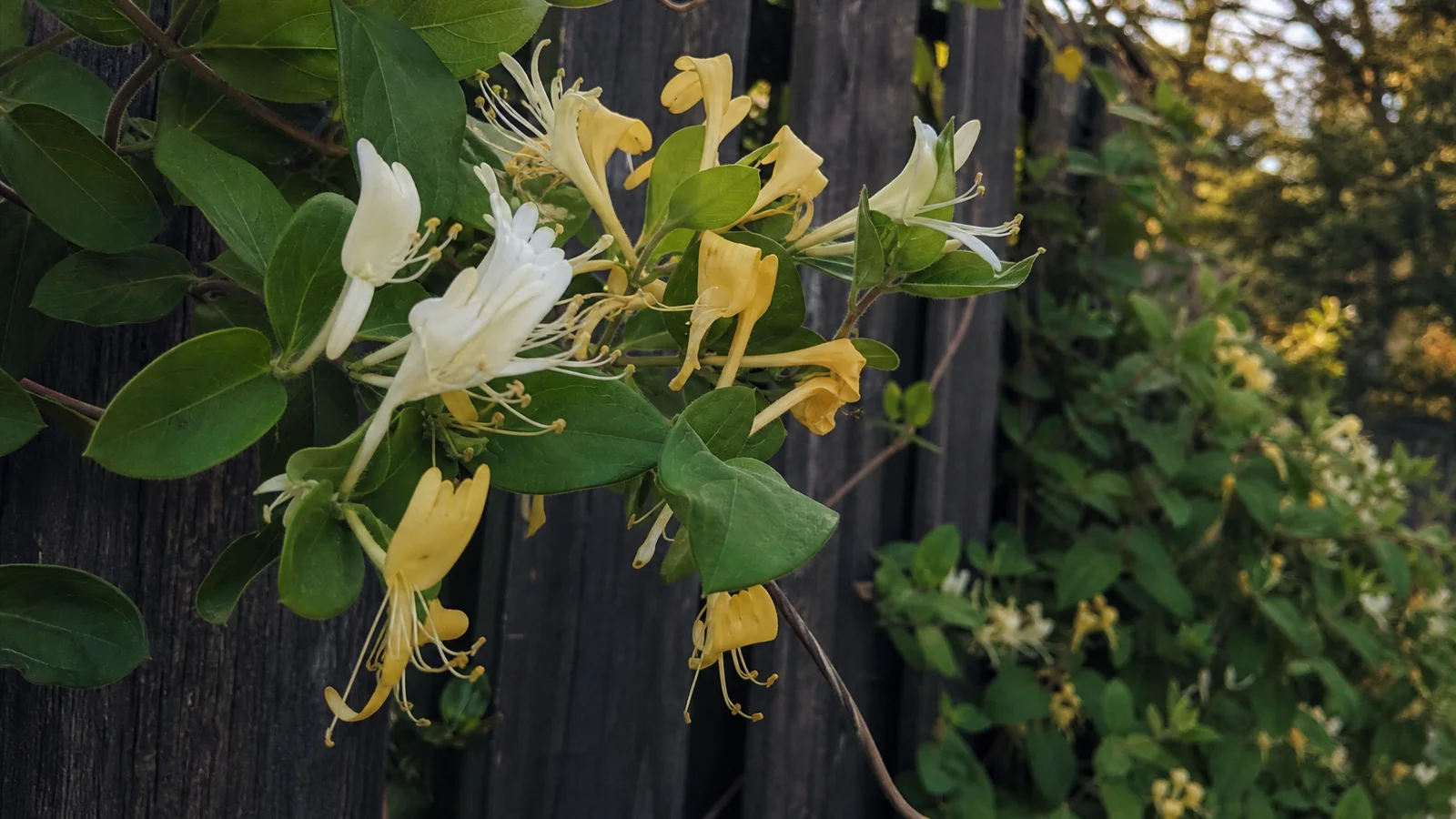
Stand next to a honeysuckle vine at noon and again at midnight and you will swear they are two different plants. The flower really does change what it releases as the hours pass, and that is only the first reason why asking "what is in honeysuckle?" gets you several answers instead of one.
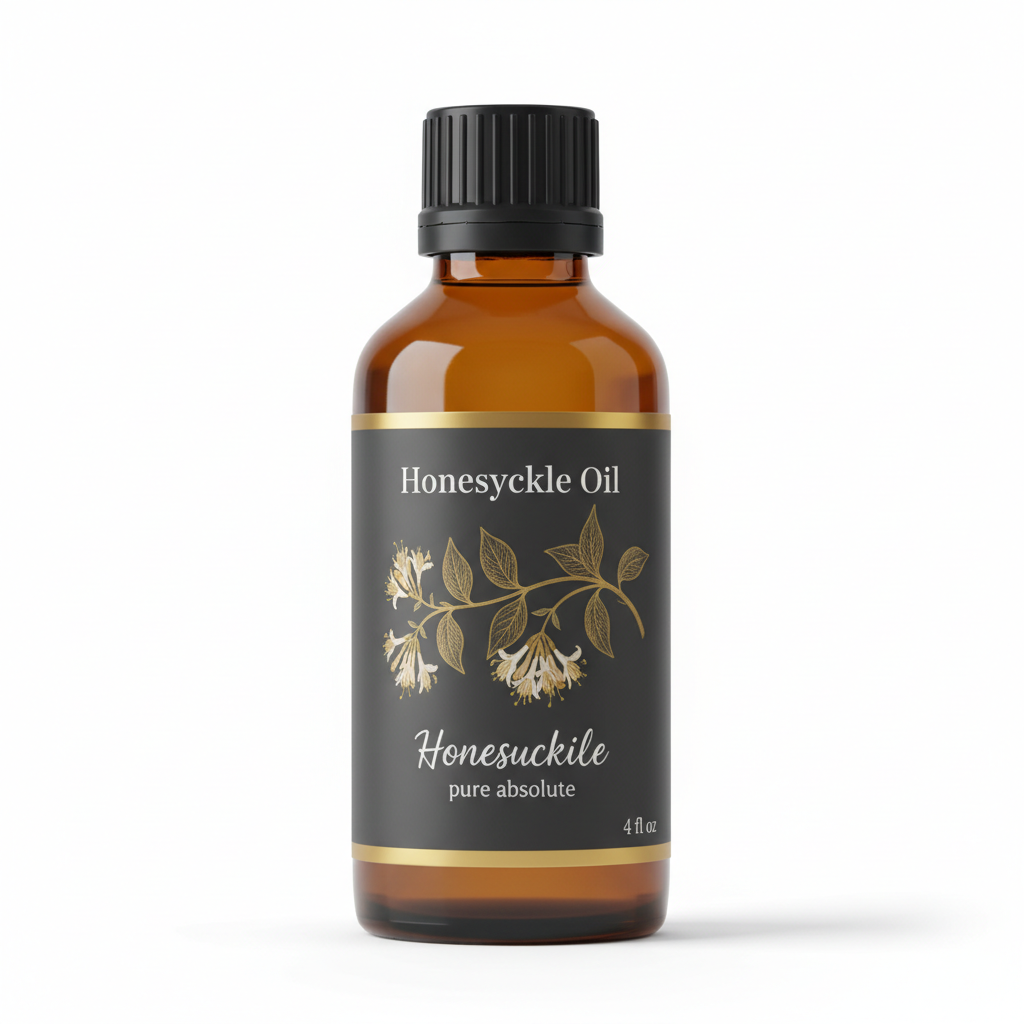
Honeysuckle Absolute
Our own Honeysuckle Absolute, in sizes from 0.5 oz to bulk.
From $13.99
Shop Now →The flower rewrites its scent as it ages
Researchers who followed individual Lonicera japonica flowers through their first night, first day, second night and second day found 34 scent compounds in the air around them. Total emission peaked on the second night, and the mix shifted along the way: linalool, the soft floral-lavender note, made up a smaller share as time went on, while cis-3-hexenyl tiglate, a greener, fruitier material, made up a bigger one (Feng et al., 2023). Our piece on why honeysuckle smells stronger at night follows that rhythm further.
So a flower picked at one moment holds a different bouquet than the same flower a day later. Anything made from the blossom starts from a moving target.
Two cultivars, two personalities
The same species can also be strongly perfumed or rather shy, depending on the plant. A comparison of two cultivars at the same flowering stage found around 240 volatile compounds in each, yet 153 of them differed in amount. The strongly scented cultivar carried about 154 times more methyl anthranilate, a compound whose odor is described as grape-like and reminiscent of orange blossom (Li et al., 2022; PubChem, methyl anthranilate). If you have ever noticed that one garden honeysuckle smells like candy and its neighbor barely registers, that is probably why.
Fresh and dried are different materials
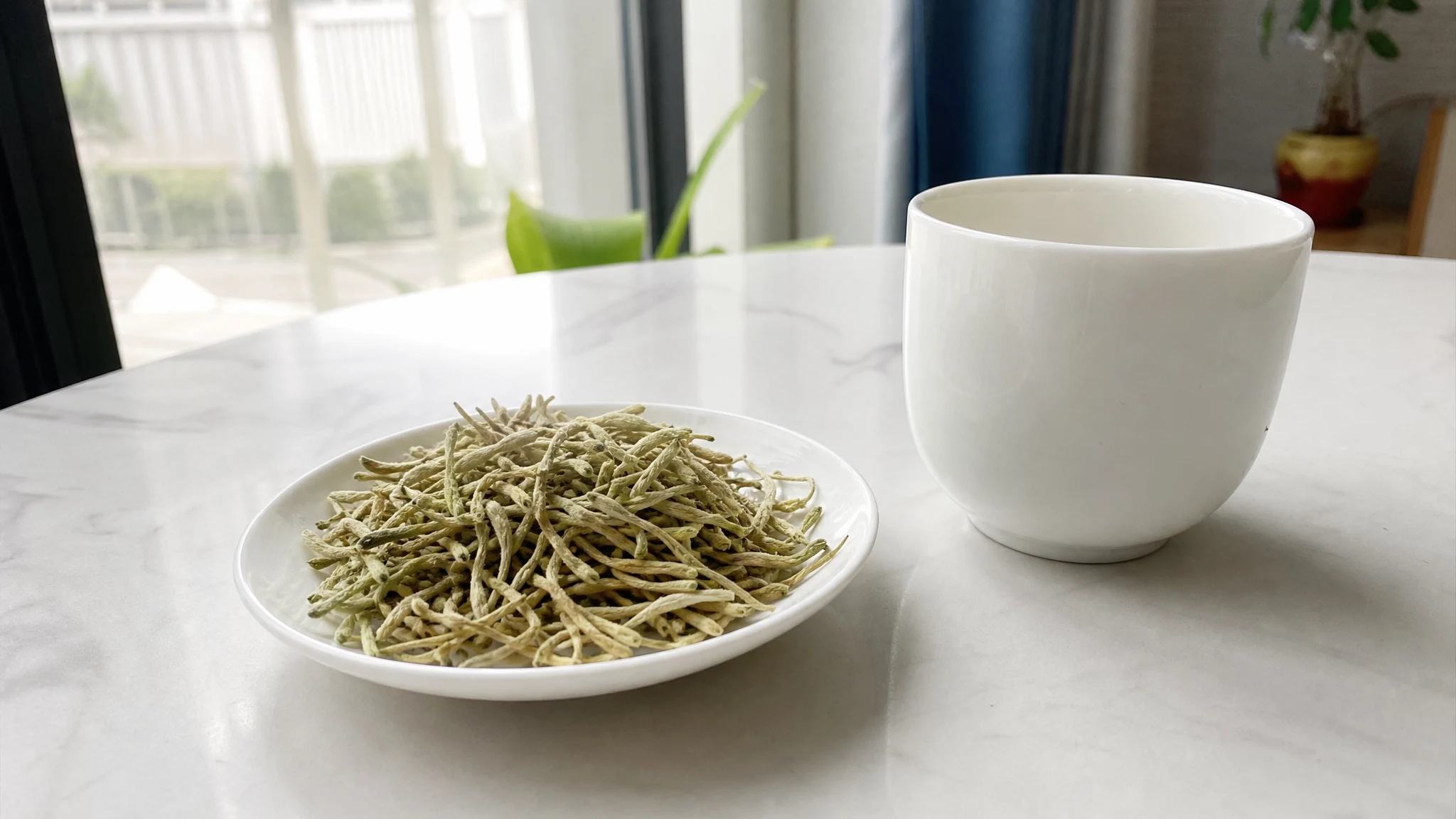
The biggest swing we found is between fresh and dried flowers. A review of the honeysuckle literature cites one study with more than 14% linalool in fresh flowers and under 0.4% in dried ones (Shang et al., 2011). That is why a chemistry table for dried herb is a poor guide to a floral extract, and why the studies on dried flower buds do not describe a perfumer's material.
Where the flowers grew matters too. In a study of dried buds from four regions of China, some compounds, such as spathulenol and jasmone, turned up only in one region's samples. The authors point out that their comparison was relative, not quantitative, so read it as "origin leaves a fingerprint" and not as a ranking (Ning et al., 2025).
What this means for an absolute
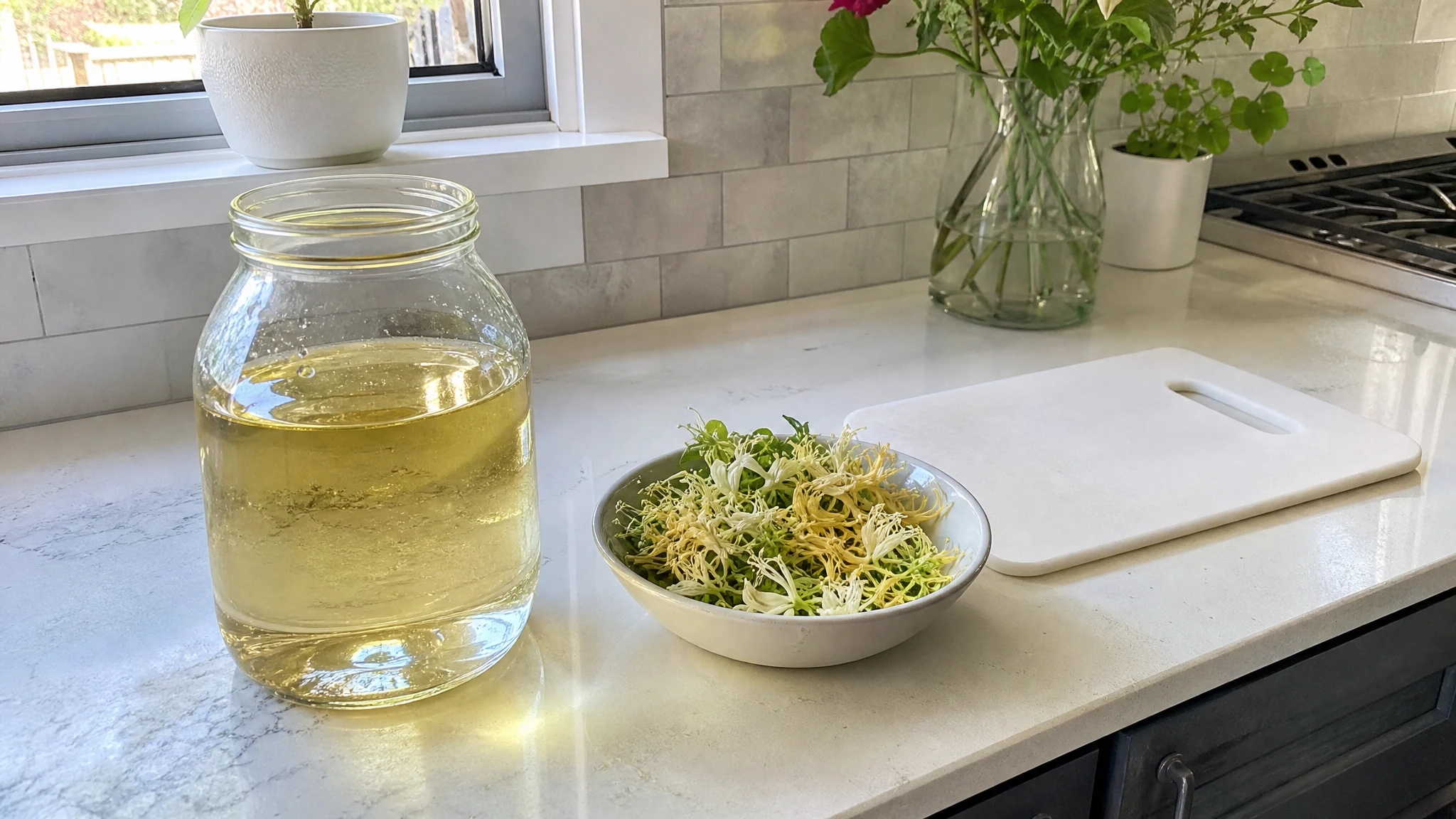
An absolute is made by washing the flowers with a solvent, then washing the resulting concrete with ethanol and chilling it. Our own absolute is made that way. Our explainer on how an absolute is made covers the steps. Most of the studies above sample the air around living flowers or the dried herb. An extract keeps more of the heavier, longer-lasting aroma materials than the air above a petal does, so the composition of a bottle should not be expected to match a headspace chart. That is our reasoning from how the process works, and it is why we would not try to read a bottle's character off a published table.
The certificate of analysis we publish for one batch lists relative density 0.989, refractive index 1.509 and optical rotation +1.88 degrees, each inside a wide standard window. Those are the physical checks a lab uses to see that a liquid is plausible. They are not a chemical profile. If your project needs GC-MS data or a residual solvent figure for a specific lot, ask us in writing through the contact page before you order, and read our guide to reading a COA for floral absolutes to know what to look for.
A free experiment in your own garden
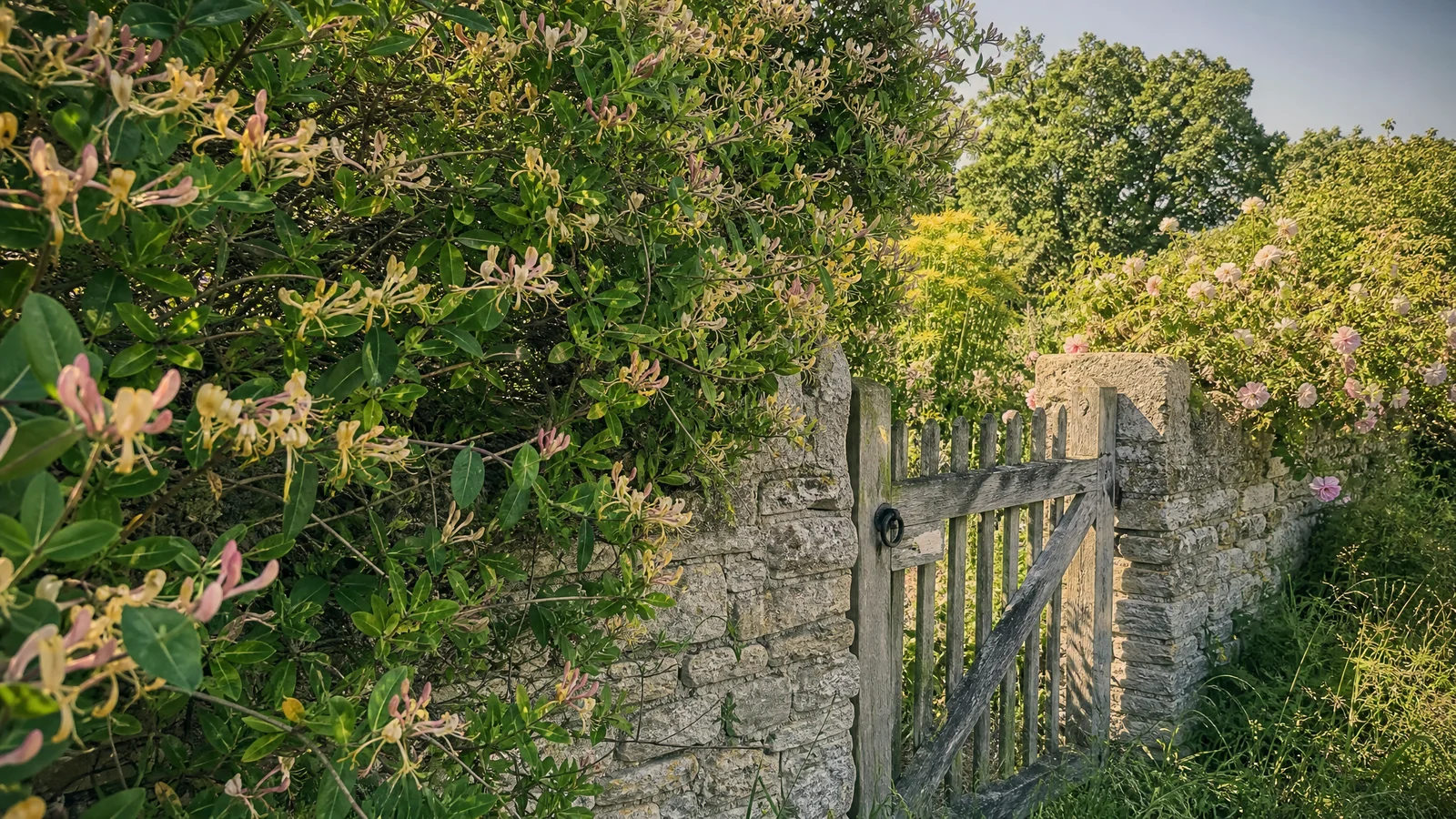
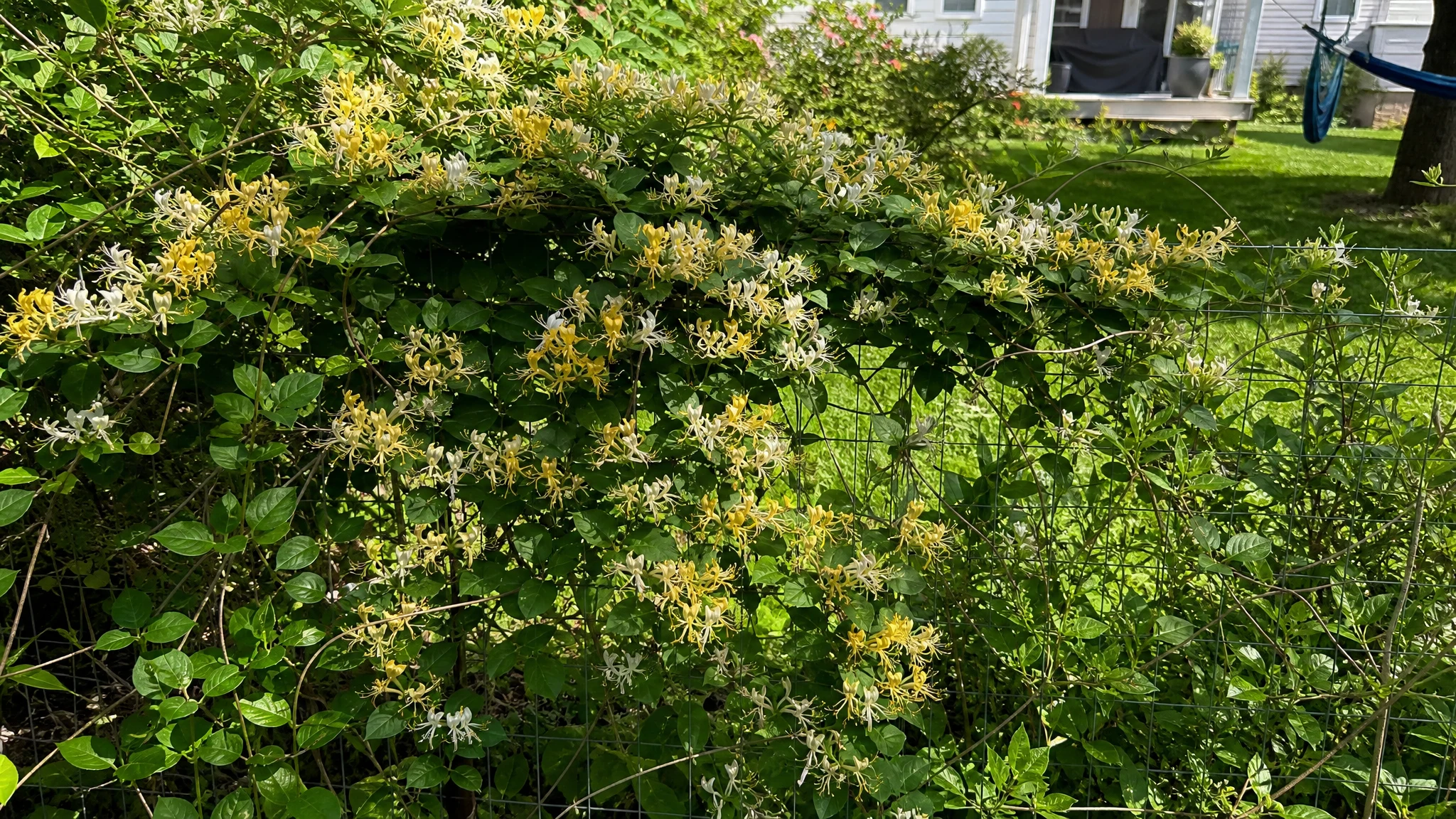
If a vine grows near you, try smelling the same plant at three times of day: morning, late afternoon and after dark. Jot down what you notice at each. You may find it fruitier at one hour and greener at another, or simply stronger when the light goes. It costs nothing, and it teaches you more about why the chemistry is complicated than any table could.
Why we keep our own words simple
When we describe our absolute we use plain words: nectarous, lush and green-floral, with a soft jasmine-adjacent warmth. A compound name labels one part of a smell, and the smell is always more than the sum of its parts. Plain words let you test our description against your own nose, which is where the decision belongs.
The practical takeaway
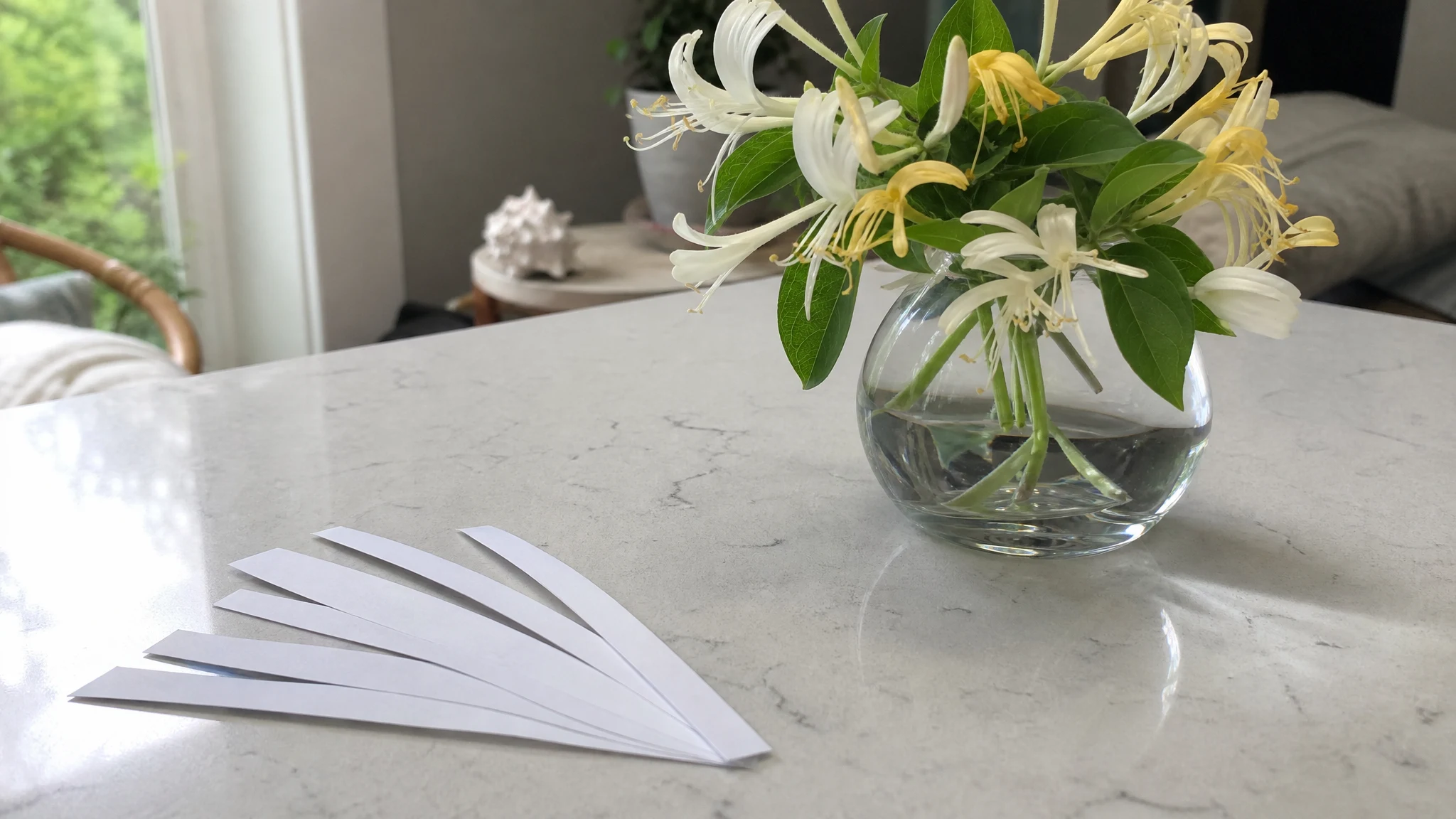
Trust your nose more than a table. Smell the absolute on a strip, then in a small dilution, because the honeysuckle you meet in a blend depends on the other materials around it. Our shop suggests starting with a small bottle to learn how it behaves. For the character itself, what honeysuckle smells like is the better next read.
Nature gives you a flower that changes by the hour. It makes sense that a jar of its scent is more of a portrait than a formula.
Honeysuckle Absolute
Honeysuckle Absolute from our own shop, in sizes from 0.5 oz to bulk.
From $13.99
Shop Now →Sources & Further Reading
- Feng et al. 2023, Journal of Systematics and Evolution 61(3), floral scent of Lonicera japonica
- Li et al. 2022, Frontiers in Plant Science 13, volatile compounds in two Lonicera japonica cultivars
- Shang et al. 2011, Journal of Ethnopharmacology 138(1):1-21
- Ning et al. 2025, Molecules 31(1):4, volatile compounds in dried Lonicera japonica buds from four origins
- PubChem, methyl anthranilate (CID 8635)