Is Japanese Honeysuckle Invasive? What to Know in the US
If you have ever pulled a woody, twining vine out of a fence line in the eastern United States, you may have met Japanese honeysuckle. The same species, Lonicera japonica, is the plant behind honeysuckle absolute, which makes for an odd double life: a prized perfume flower in one setting, a regulated weed in another.
Honeysuckle Absolute
Our own Honeysuckle Absolute, in sizes from 0.5 oz to bulk.
From $13.99
Shop Now →How it got here
UConn Extension says Japanese honeysuckle was first introduced to the US on Long Island, New York, in 1806, valued for ornament, erosion control and wildlife (UConn Extension). The USDA Forest Service adds that it was widely promoted as an ornamental and used to cover disturbed, erodible ground (USDA Forest Service FEIS). People planted it on purpose, and for good reasons at the time.
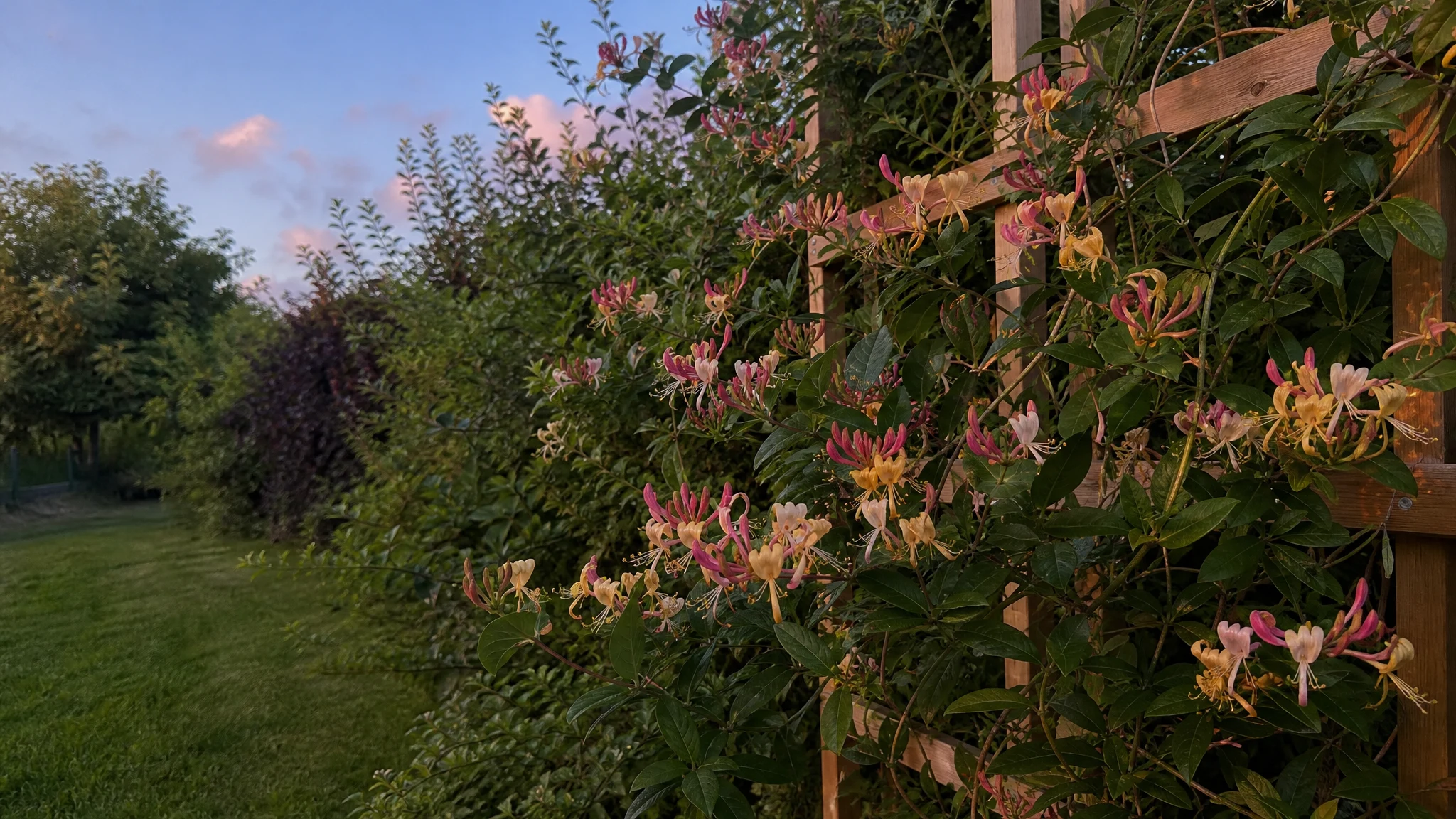
It is easy to walk past this vine for years without noticing it. Then one summer the fence is green from top to bottom, and you notice the sweet smell in the evening air. The same traits that make it a pleasure to smell are the ones that make it hard to manage.
Why it spreads
The Forest Service reports that a single plant can put on 30 feet (9 m) of stem a year and that dense colonies can form mats up to 5 feet (1.5 m) deep. It sprouts from the root crown, roots where stems touch the ground, and spreads by seed carried by birds. It is less invasive in the cooler north, where winter cuts back its growth, and generally not invasive in prairie or grassland sites. Vermont lists it as a Category II plant that could displace natives, and Illinois lists it as an exotic weed and prohibits its sale. State rules change, so for anything you plan to plant, sell or move, your state's current list and your county extension office are the right authority.
Telling it from its relatives
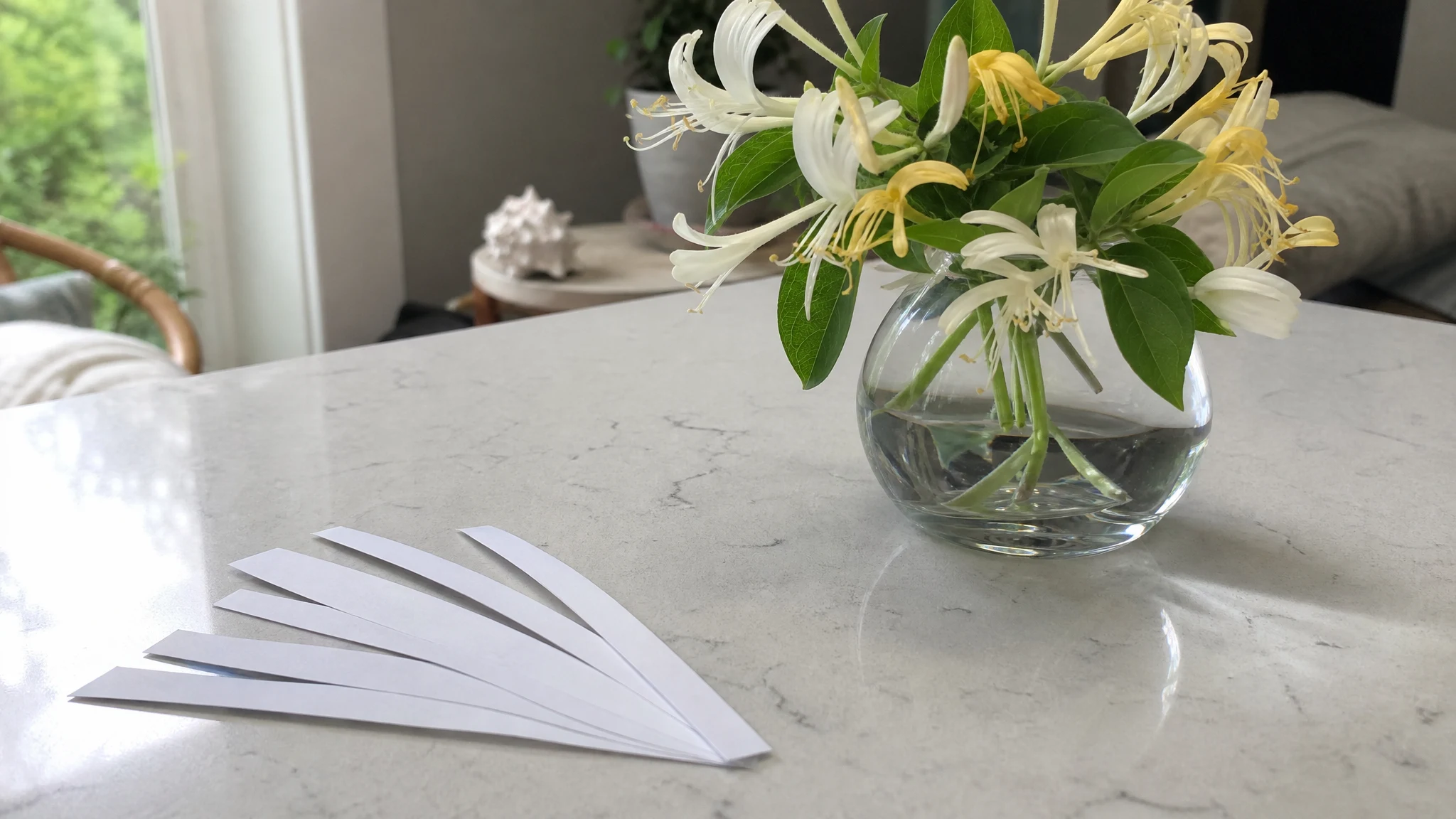
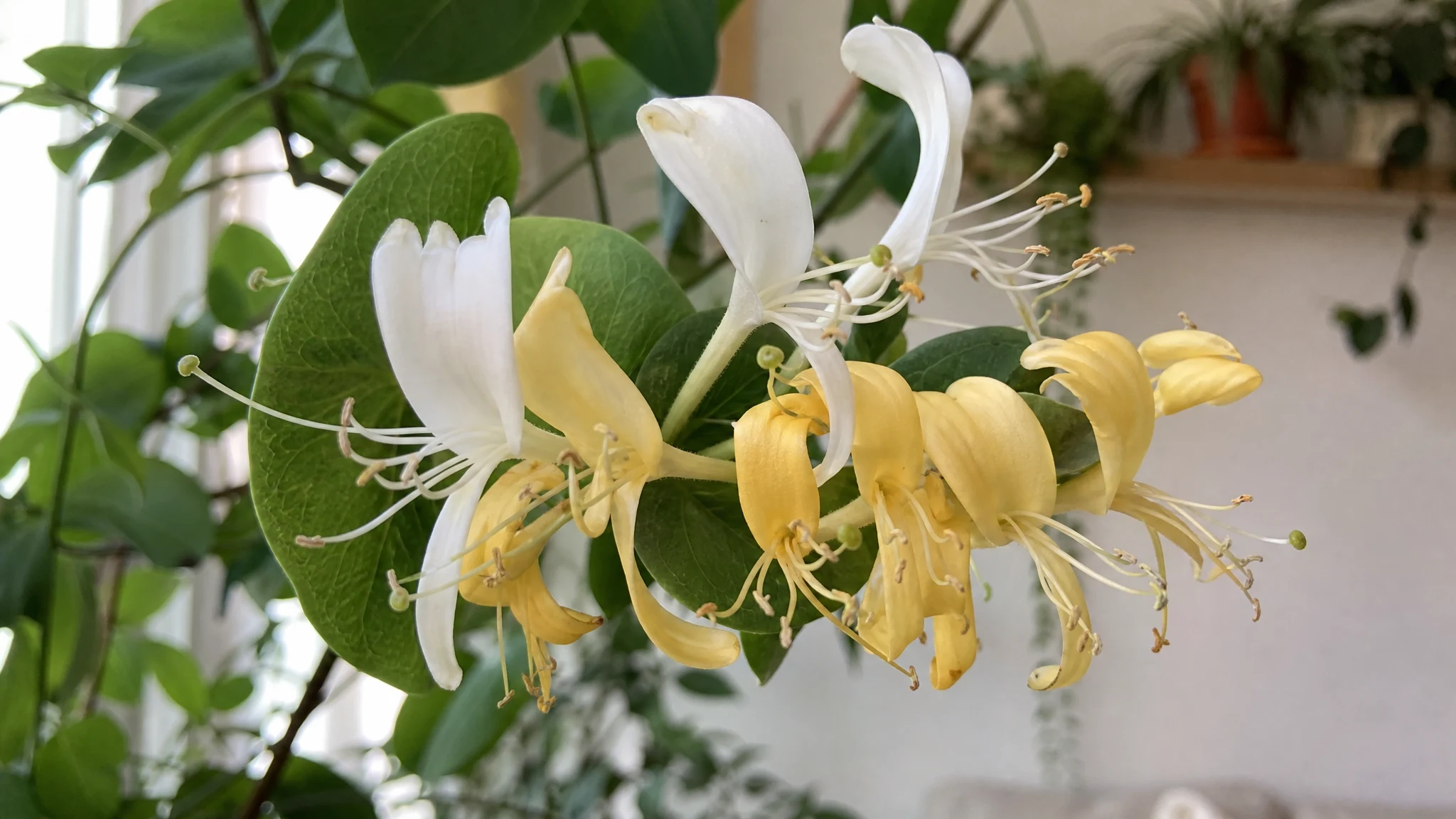
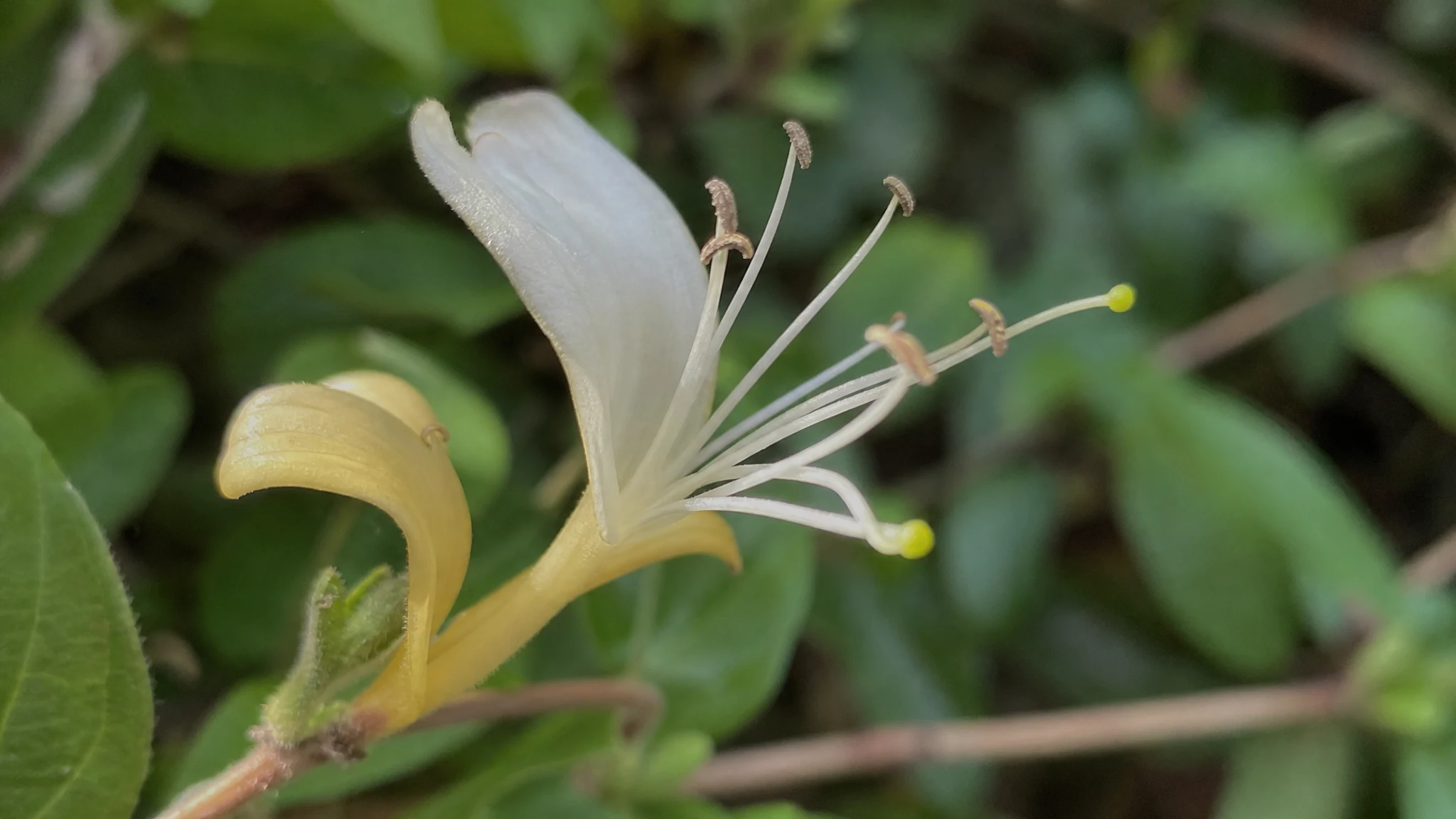
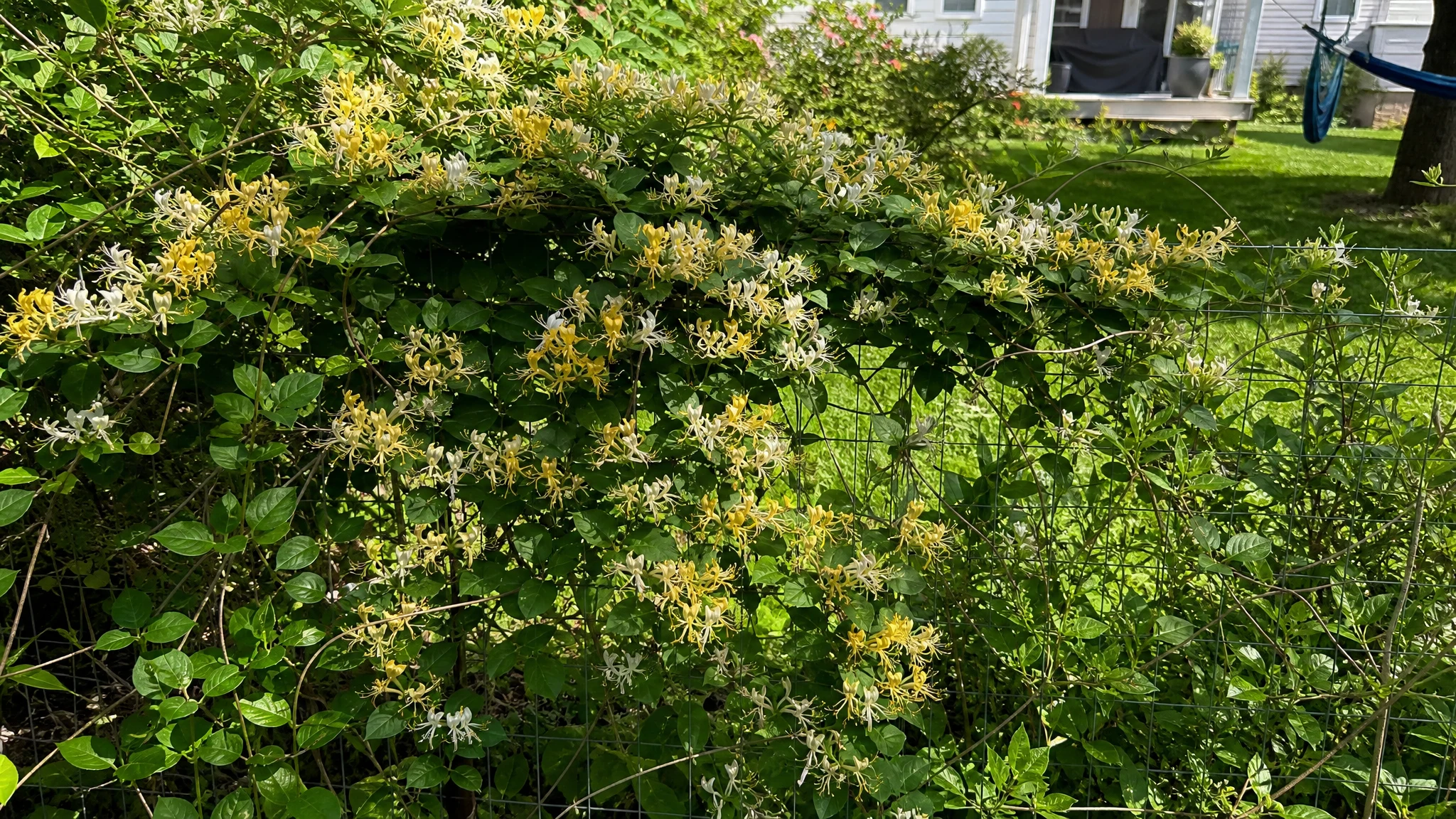
Honeysuckles are easy to mix up. UConn describes Japanese honeysuckle's tubular, two-lipped flowers, which appear in June and July in pairs, white and turning yellow with age, followed by dark purple to black berries from September to November. The leaves are opposite and the pairs are not fused at the stem. The native look-alikes tend to have fused leaf pairs and bright red or orange fruit, so dark fruit and unfused leaves point to the Asian vine. UConn suggests coral honeysuckle, Lonicera sempervirens, as a native alternative if you want a honeysuckle for the garden.
One more small thing: if you spot the vine on a hike, take a photo and note where you saw it. Local extension offices and conservation groups often like to know where it is spreading, and a picture is easier to identify than a description.
Telling a garden story apart from a land story
What happens in a yard is a small version of a bigger picture. A vine that is welcome beside a porch may be unwelcome when it climbs into the canopy of a woodland a few miles away. Both are true at once, and neither makes the plant a villain. If you are thinking about planting honeysuckle, the questions to ask are local ones: what grows well where you live, what your state recommends, and what a nursery near you can tell you about a native vine that does the same job.
That is also why we would never tell anyone to go out and pick it. A walk along a roadside may feel harmless, yet the plants belong to someone, and the look-alikes are easy to confuse. Enjoying the scent from the path is a perfectly good way to spend an evening.
Where our absolute comes from
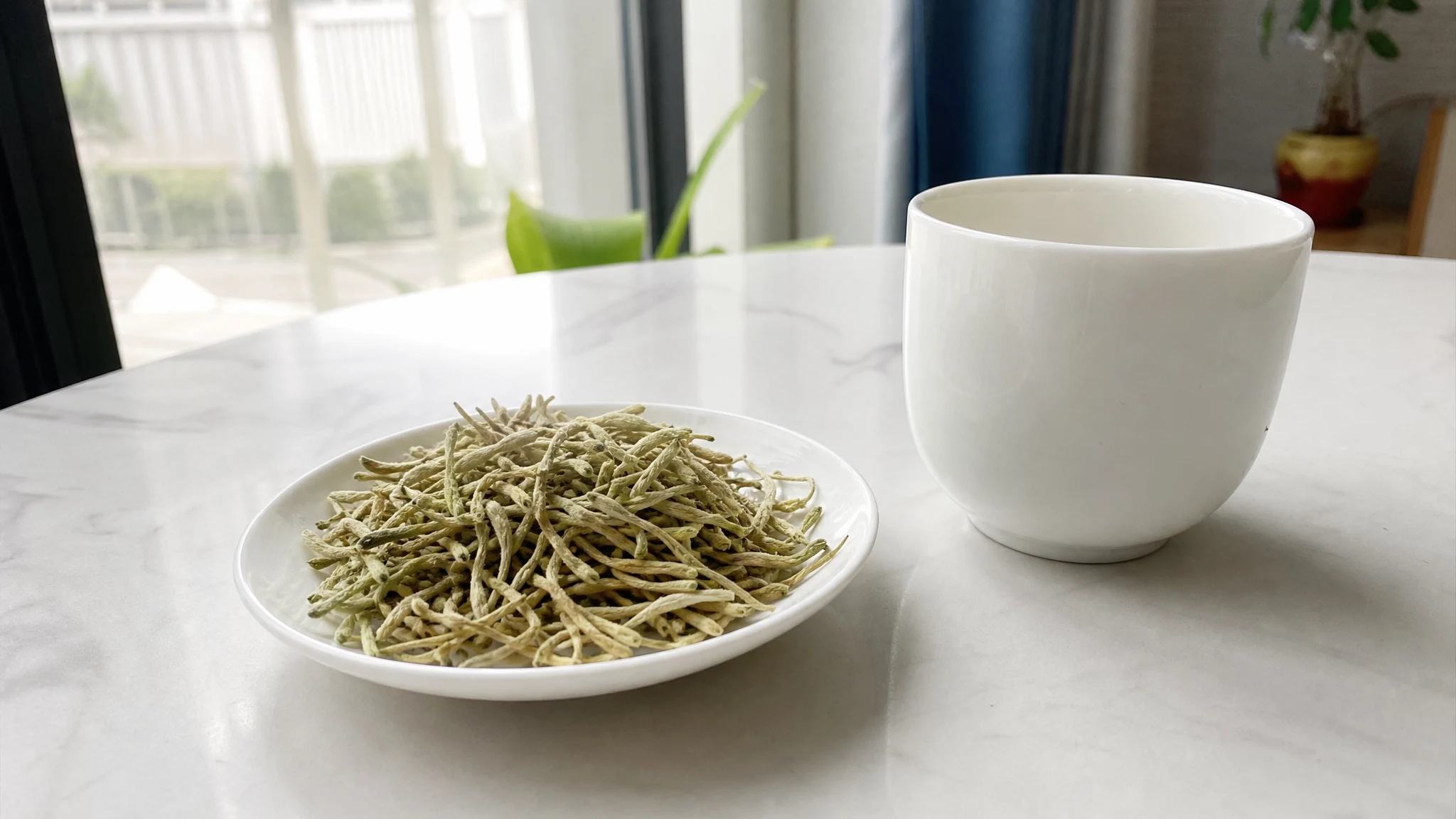
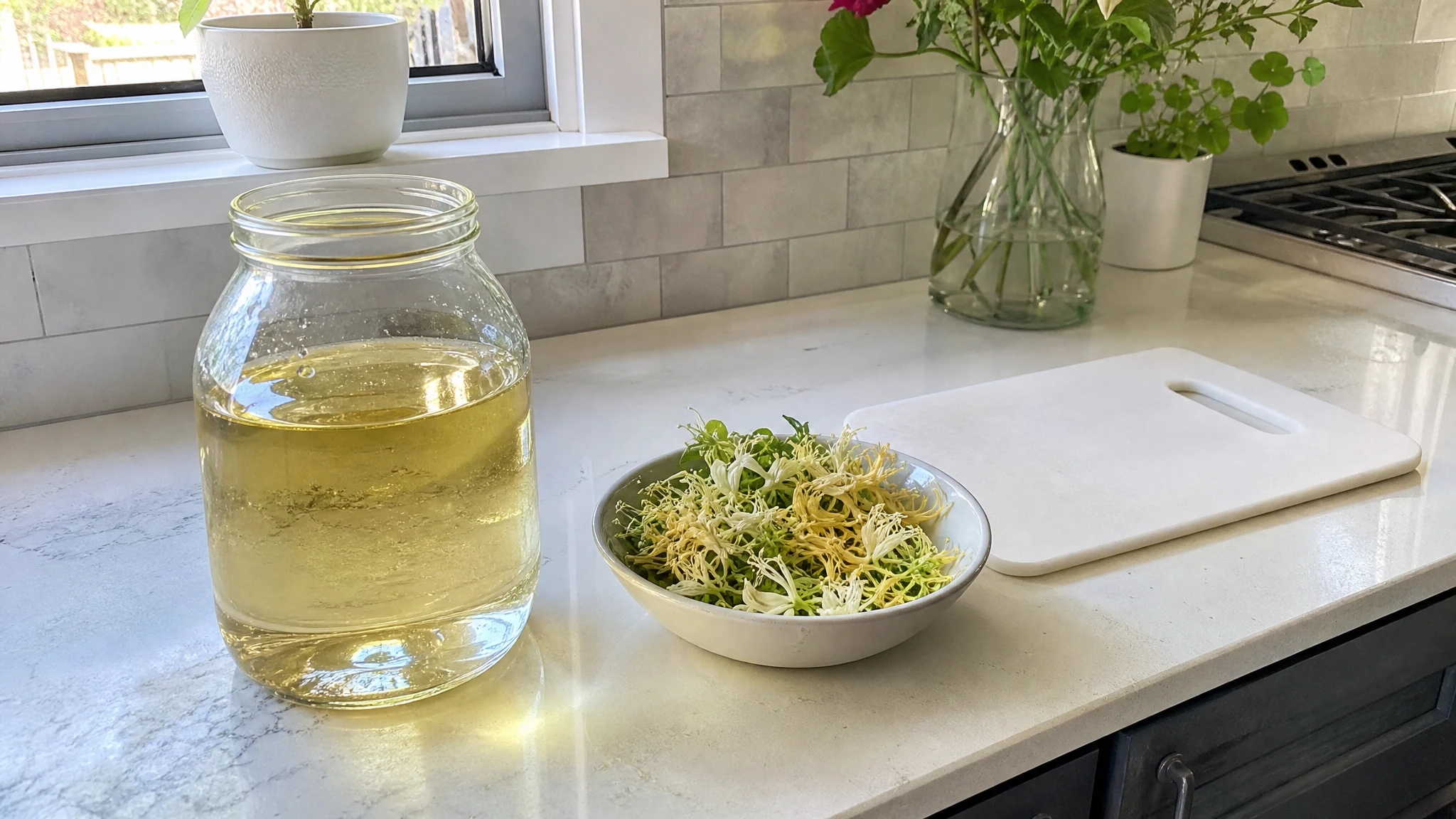
Here is the part that surprises people: the vine in American hedgerows is not our supply. Our honeysuckle is grown in China, where Lonicera japonica is a major medicinal crop, and buying an absolute does not involve planting anything. We would not suggest picking wild vines, either. Look-alikes are easy to confuse and roadside and park plants belong to someone. Making an absolute is a job for an extraction house, not a weekend foraging trip. If you are curious about the people and plant history behind the vine, our short history of honeysuckle covers that story, and the vine behind our absolute is a closer look at the species.
A few gentle habits for gardeners
If you do decide to keep a honeysuckle, a bit of routine helps. Walk the fence line each spring and cut back stems before they reach into a neighbour's trees. Bag cuttings and berries instead of piling them on the compost, since pieces can root where they touch the soil. Keep berries away from children and pets. And if you ever give a cutting to a friend, tell them what it is and how fast it grows, so nobody is surprised.
If it is already in your yard
Removal advice varies by region and by method, so rather than repeat a one-size schedule we would send you to your state extension service, which can tell you what timing, products and label instructions fit where you live. UConn also notes that disturbing the soil can trigger seeds in the ground to sprout, so expect to keep an eye on the area over several seasons.
A plant can be both a nuisance in a hedgerow and a lovely material on a perfumer's bench. It simply depends on where it is growing, and who put it there.
Honeysuckle Absolute
Honeysuckle Absolute from our own shop, in sizes from 0.5 oz to bulk.
From $13.99
Shop Now →