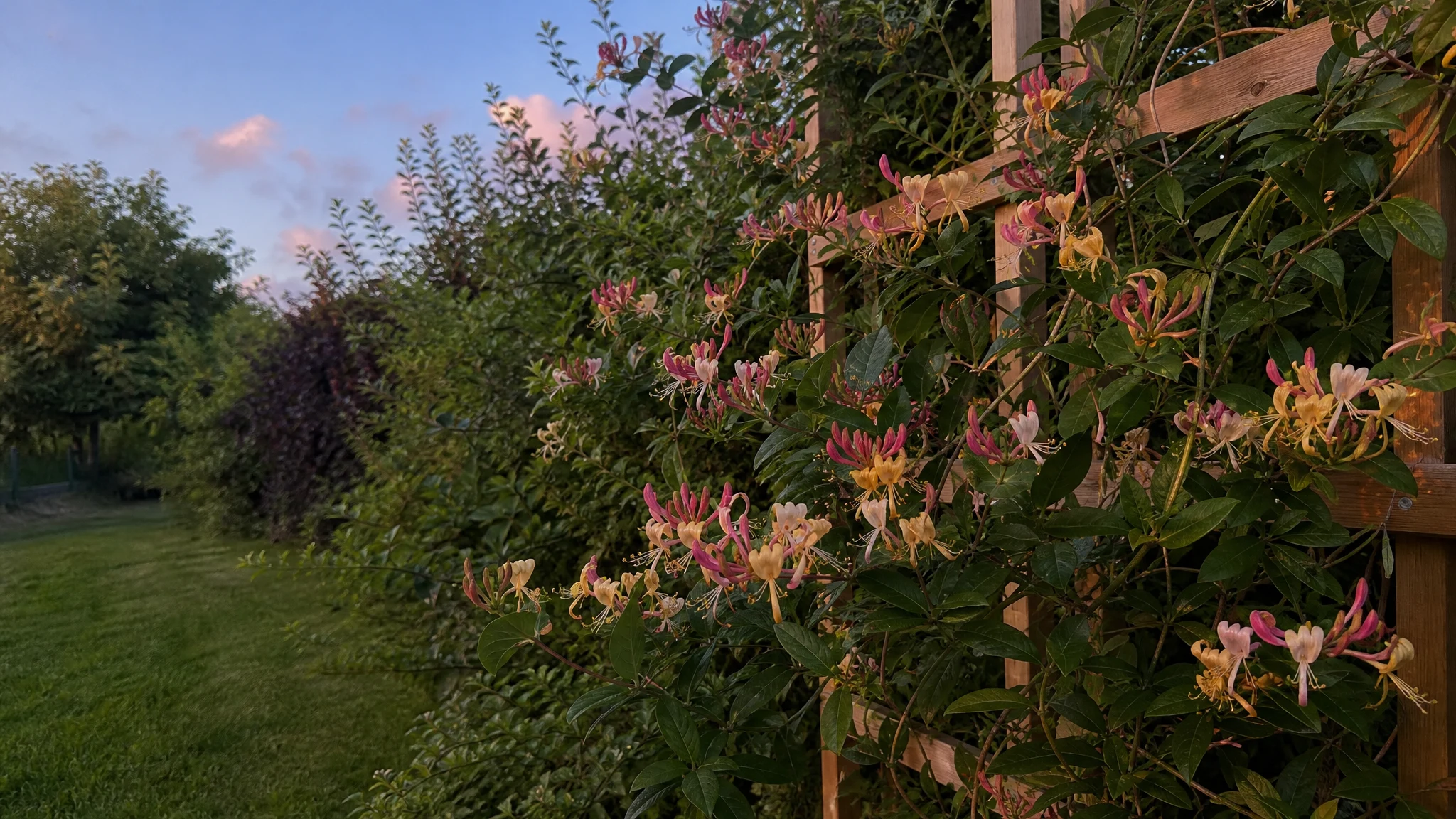
Honeysuckle at Night: Why the Scent Peaks After Dark
Anyone who has walked past a honeysuckle vine at dusk knows the effect: the scent that was a faint sweetness at noon becomes something you can follow across the garden. It is not your imagination, and plant scientists have measured it.
Honeysuckle Absolute
Our own Honeysuckle Absolute, in sizes from 0.5 oz to bulk.
From $13.99
Shop Now →What the flowers are doing
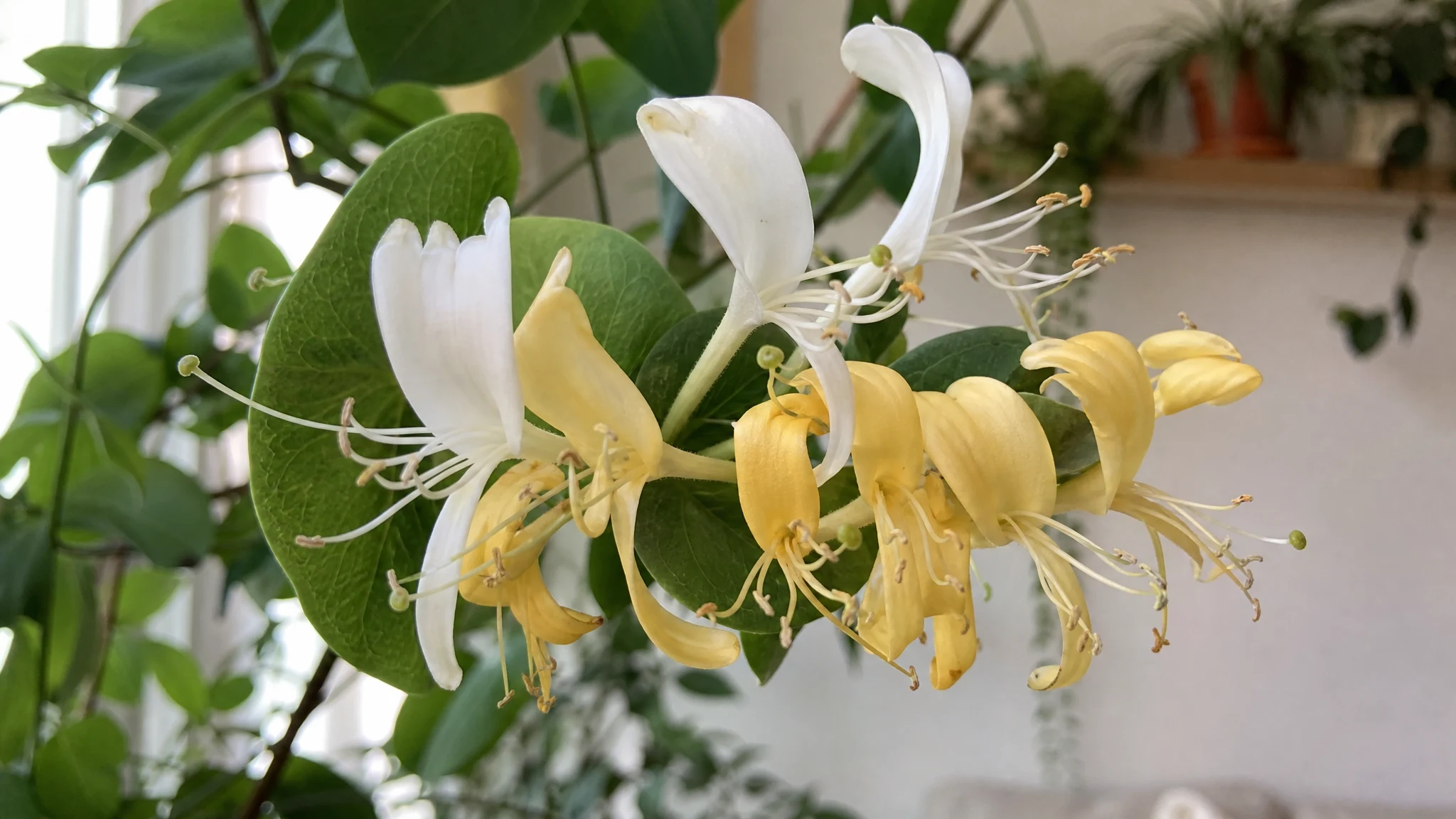
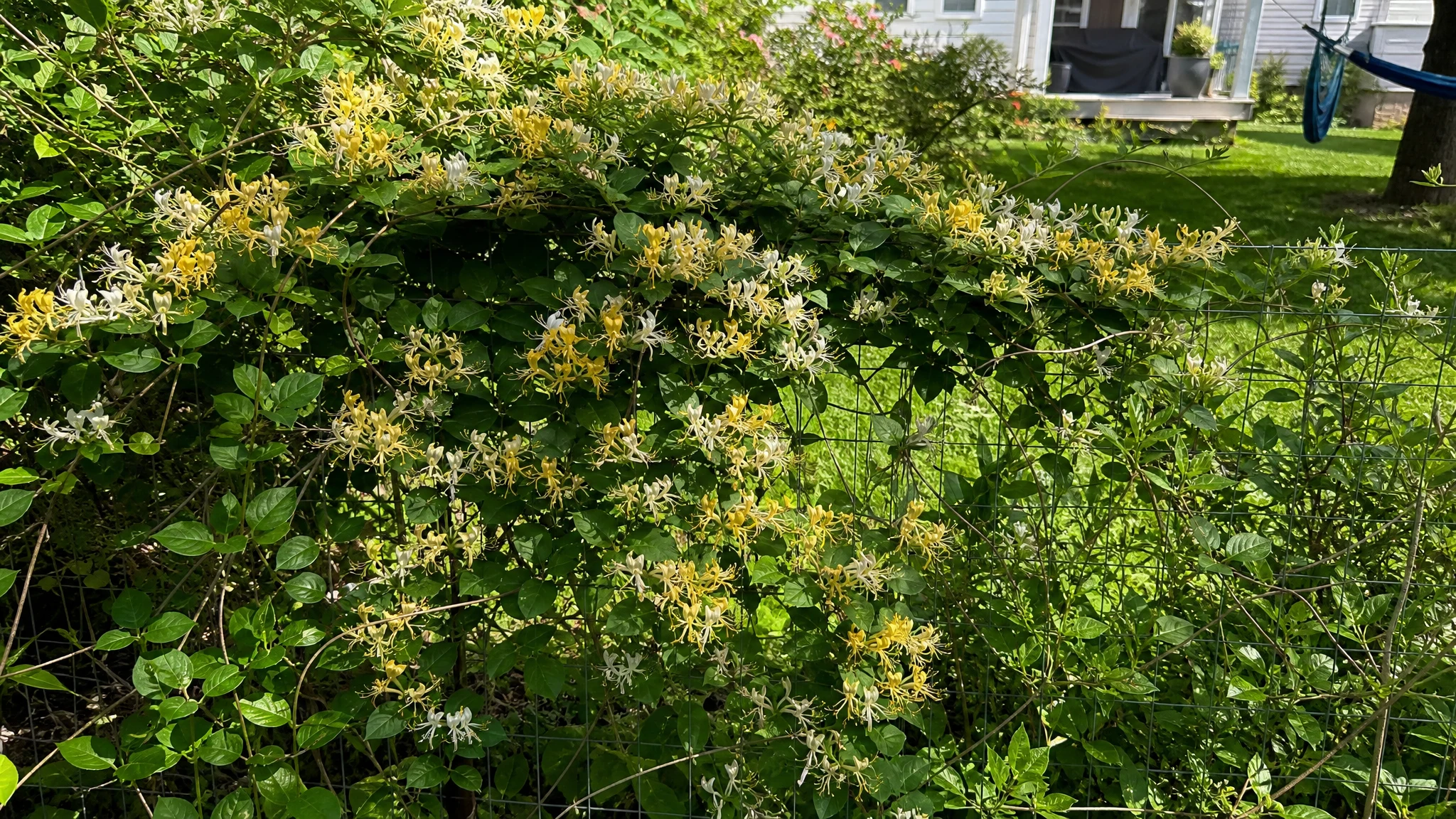
A research team followed Lonicera japonica flowers through their short lives, sampling at four points: the first night, the first day, the second night and the second day. The blossoms open white, turn light yellow, then yellow, then gold, and over that time the team recorded 34 scent compounds. The headline result is that total scent was highest on the second night, with linalool, cis-3-hexenyl tiglate and germacrene D the three main compounds. An earlier headspace study, cited in a major review of the plant, likewise reports the strongest odour in the middle of the night.
The authors link the night emphasis to hawkmoths, which fly in the dark and find flowers by smell. That makes sense of the whole performance: a white flower that glows faintly in low light and perfumes the air after sunset is advertising to a night shift.
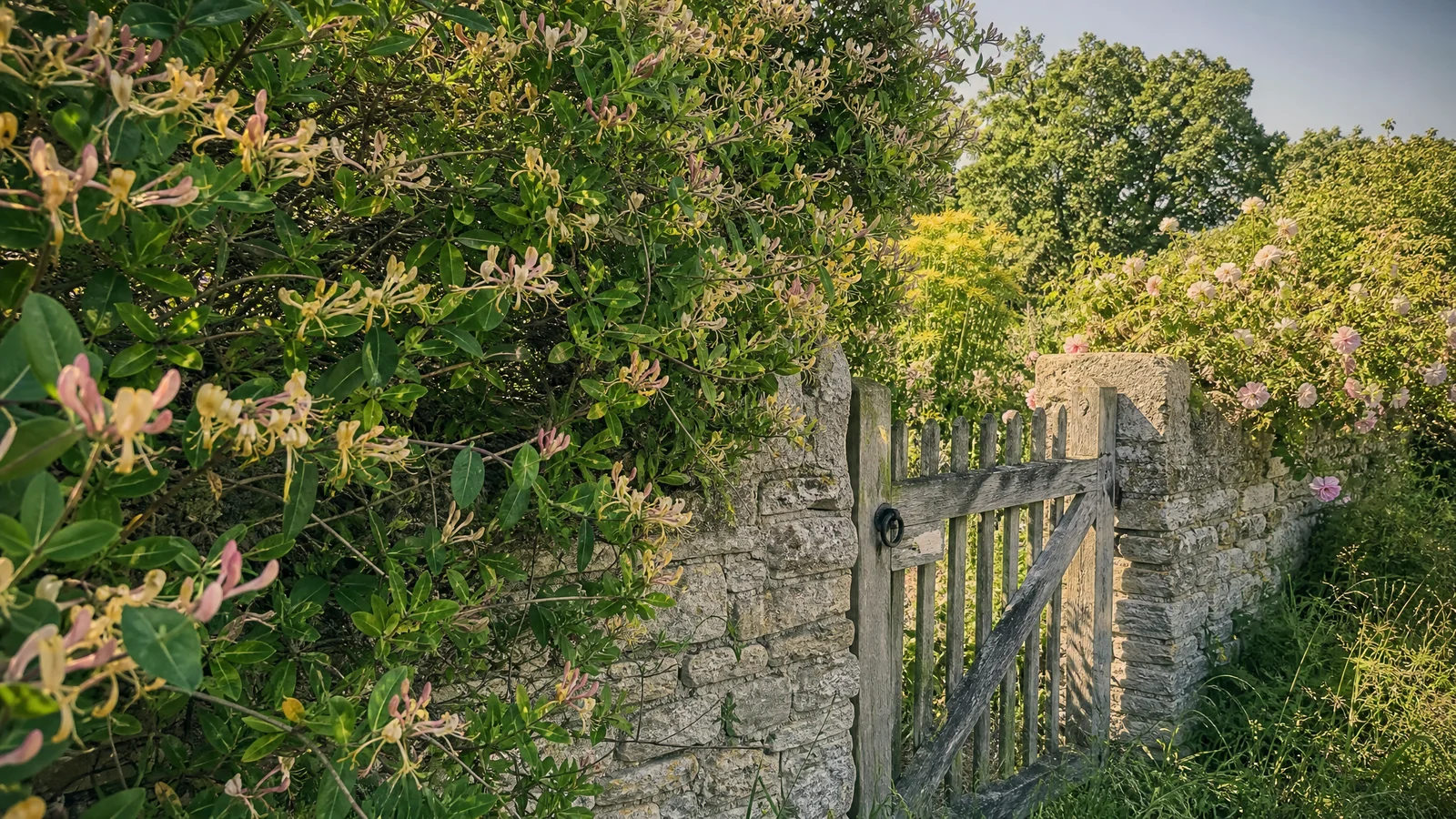
You can test this yourself without any equipment. On a warm evening, walk to a honeysuckle vine in flower in the late afternoon and smell a blossom, then go back after dark and smell the same vine again. Lean in slowly rather than sniffing hard, and let the air do the work. Many people are surprised by how much more the second visit offers. If you do not have a vine nearby, a park path or an old garden wall in the right season will often have one.
The surprising part
You might expect scent and colour to move together, with the most fragrant flower also the freshest or sweetest. They do not. Nectar was higher on the first night and day and fell off by the second night, just when scent peaked. The authors suggest colour and scent may play different roles, perhaps drawing in or filtering different visitors. Colour works in daylight and scent works in the dark, so the flower runs two signals on two schedules.
A scent with a schedule
Think of what that means for a gardener. A flower lives only a few days, and each one spends its most generous scent in a single night, then fades to gold. A vine in full bloom is staggering its flowers so that some are always at their peak, which is why the same bush can smell light on one evening and heavy on the next. If you want to catch it at its best, go out after sunset in the flowering season, which for this species runs from late spring into early autumn.
Warm, still evenings suit it best. A cold or breezy night carries the scent away, and a hot, humid one seems to hold it close to the plant. Go out when the light is nearly gone and your eyes have adjusted, and you will see the pale flowers glowing among the leaves. It is a small, free pleasure, and it is worth doing at least once each season to see which night the vine is at its generous best.
What this means for a bottle
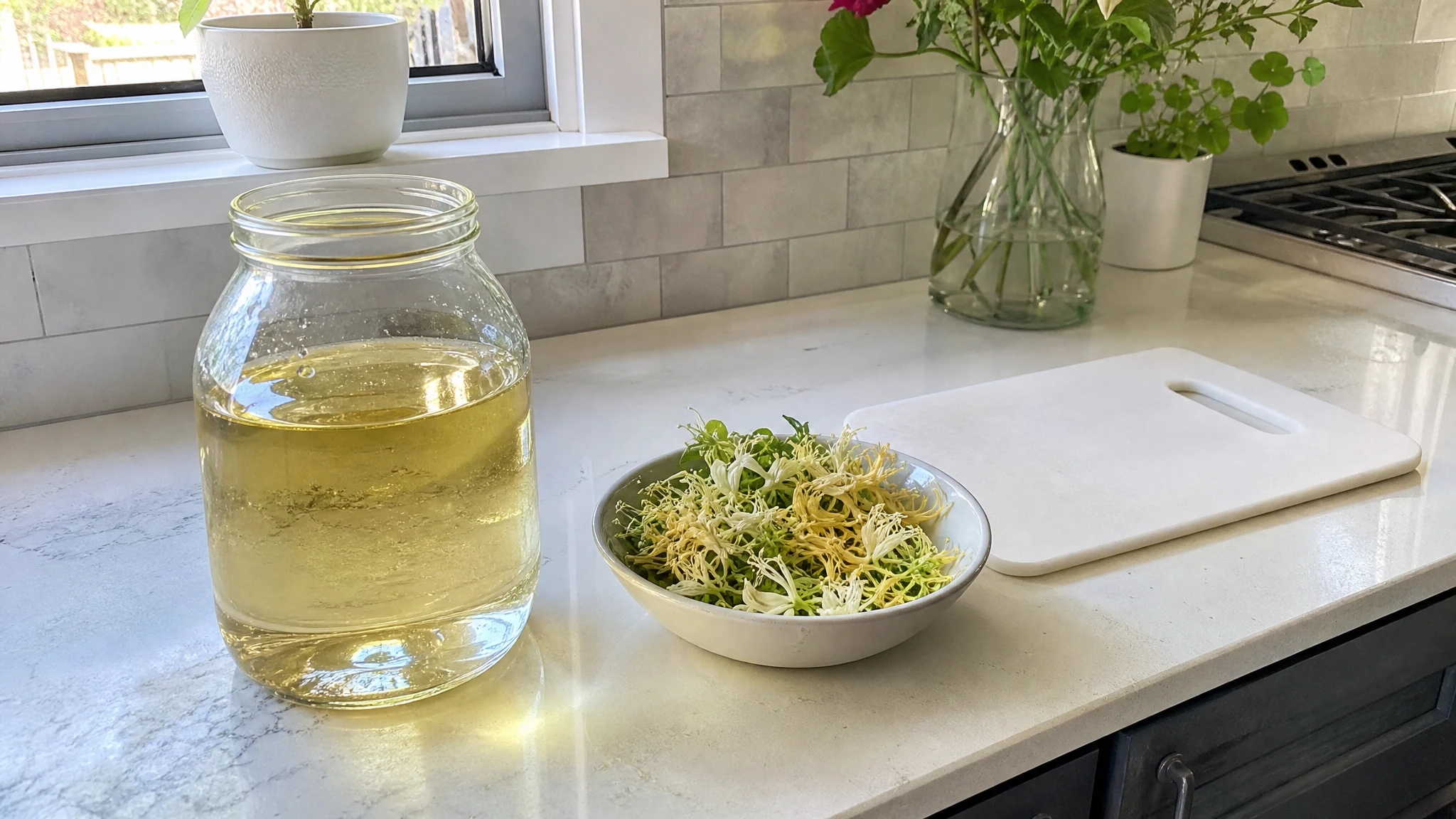
An absolute captures a flower at a point in time. It does not have a day and a night, so it will not "wake up" at dusk the way the vine does. What reaches the bottle depends on what the blossoms held when they were picked and what the solvent could carry, and the review that records the night peak also reports that fresh flowers held far more linalool than dried ones, which is a good reminder that freshness shapes a floral. Put simply, the bottle holds the flower's scent, not its clock.
This is also a useful way to think about expectations. A bottle of absolute will smell much the same at noon as at midnight, because it has no clock. What changes is you: your nose, the room, the warmth of your skin, how still the air is. If you want a blend to feel like dusk, you can help it along by choosing the hour, using it lightly and setting a calm scene, rather than adding more absolute.
Smelling it in the evening
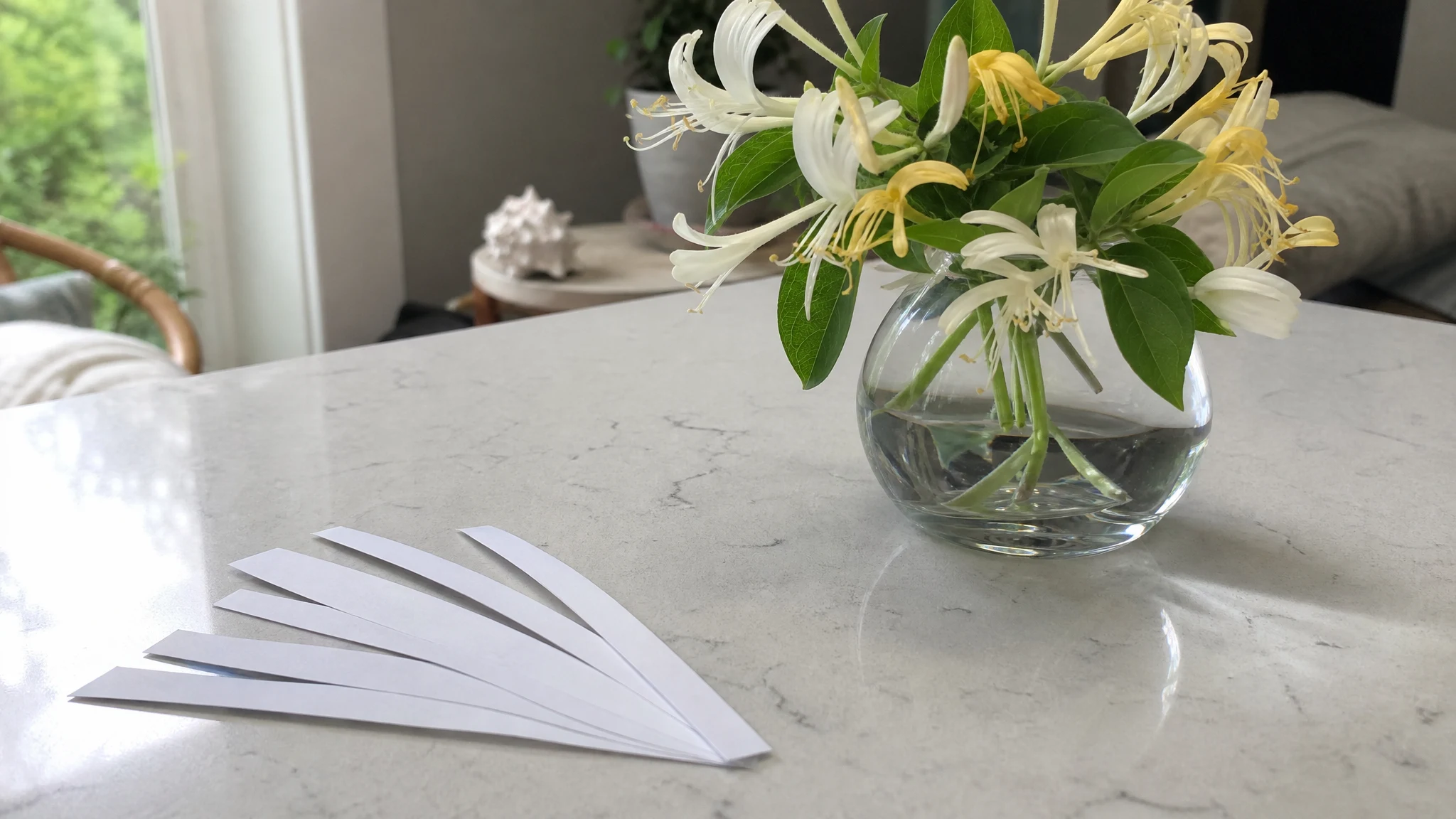
Try this when you first open a bottle. Put a small drop on a blotter in the afternoon, leave it on a table, and come back to it in the evening with the lights low. Notice whether it seems sweeter, greener or warmer than before. Your sense of smell shifts with the time of day, with what you have eaten and with how tired you are, so the result may say as much about you as about the bottle. Making a note of the time you tested helps when you compare later.
What you can do is borrow the mood. Because a little goes a long way, a light hand in the evening suits honeysuckle: we recommend 0.5% to 2% in a carrier for skin, patch tested first, and a diffuser or room blend kept subtle. Two articles take that idea further, a dusk diffuser blend and some warm-weather ideas. To meet the scent itself, our guide to what honeysuckle smells like is a good companion.
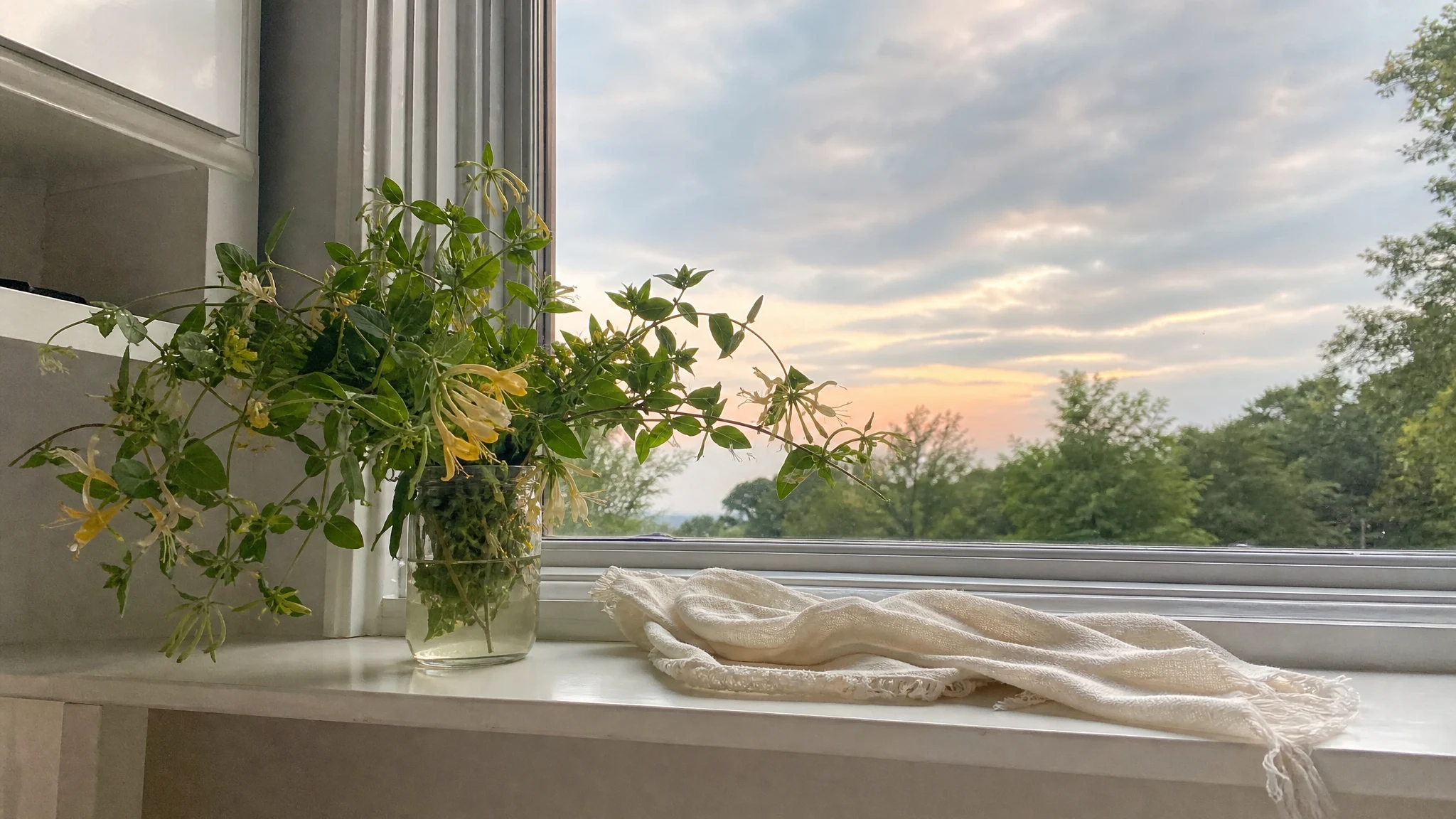
Or plant the vine near a window, and let the original do its evening show for free.
Honeysuckle Absolute
Honeysuckle Absolute from our own shop, in sizes from 0.5 oz to bulk.
From $13.99
Shop Now →