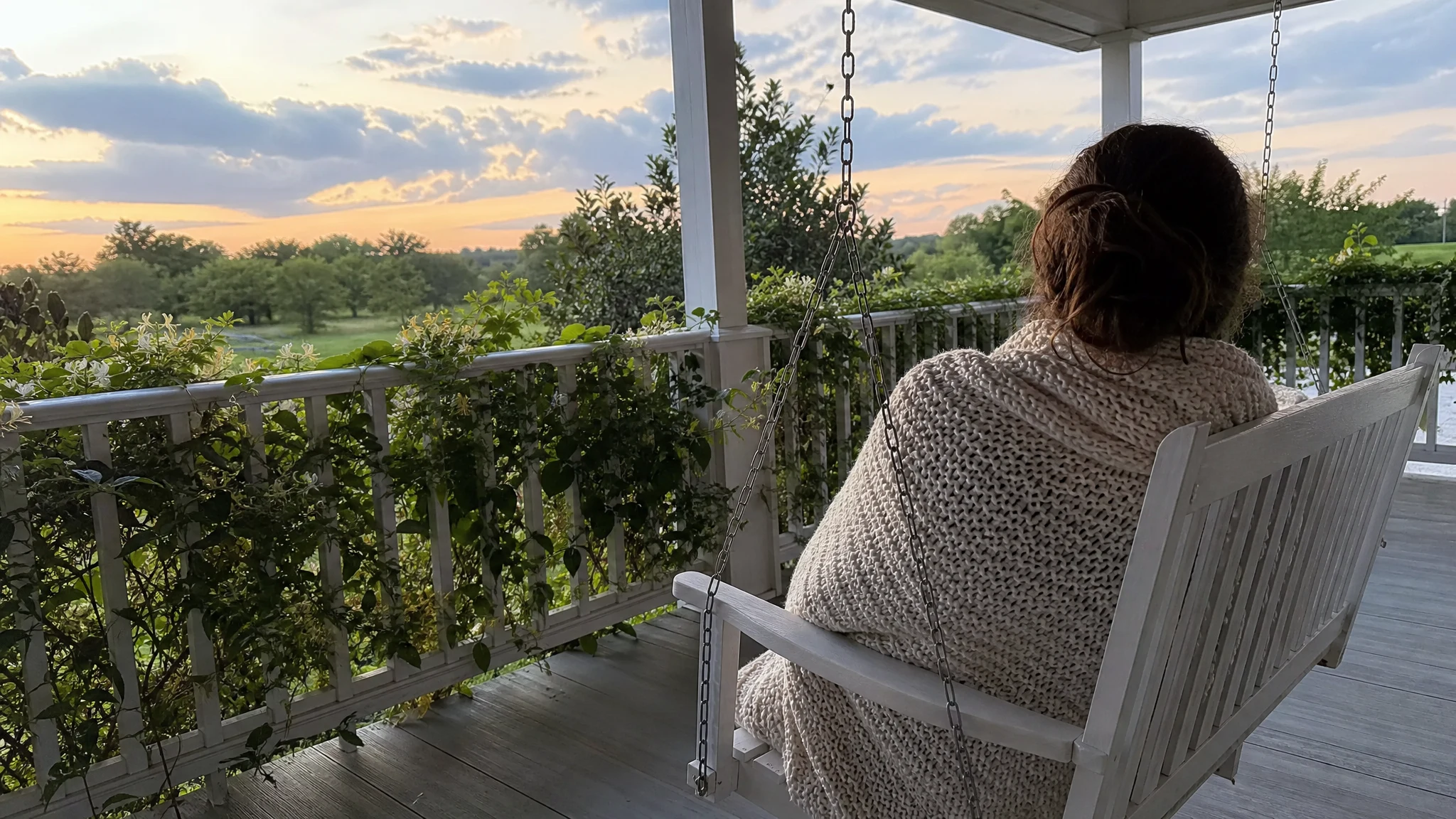
Honeysuckle Scent for Warm Summer Evenings: Go Light
Warm evenings and honeysuckle belong together, and the temptation is to put as much of it on as possible. We would argue for the opposite. Honeysuckle absolute is concentrated, warm air carries scent further, and a lighter hand usually gives a prettier result than a heavy one.
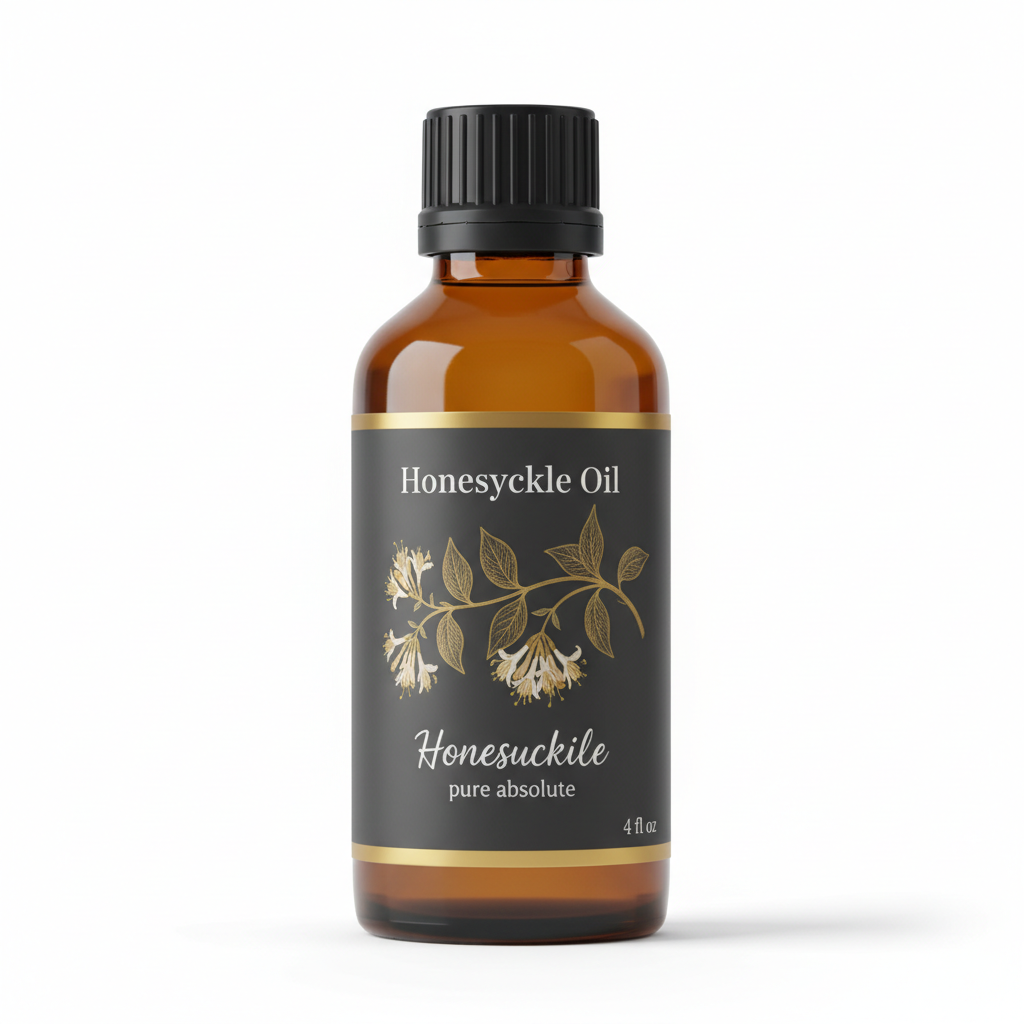
Honeysuckle Absolute
Our own Honeysuckle Absolute, in sizes from 0.5 oz to bulk.
From $13.99
Shop Now →What a summer evening actually smells like
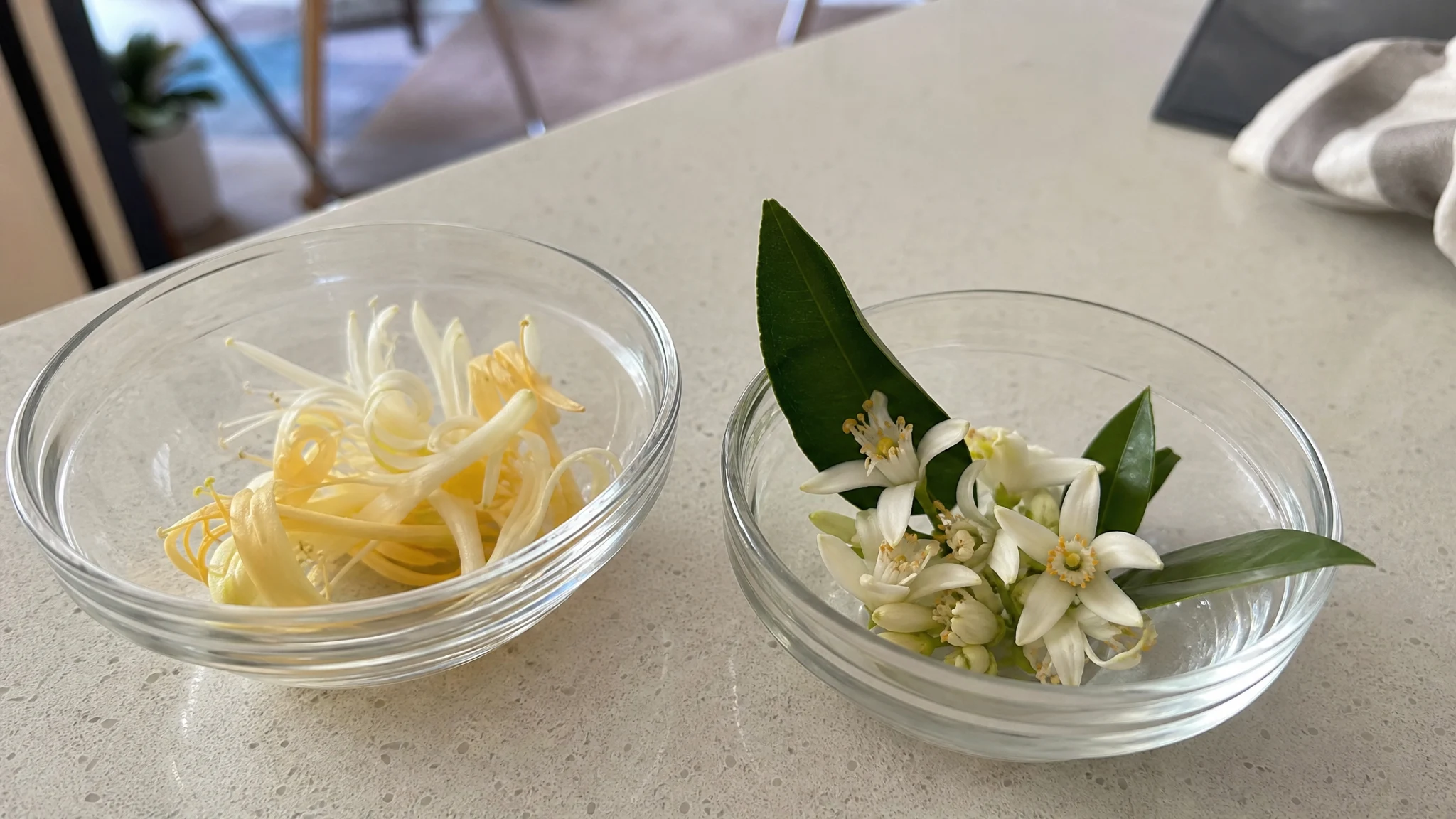
Think of the hour after dinner in July: warm stone, cut grass, a hint of something green from the hedge, and the sweetness that drifts across a garden once the sun is off it. A good evening fragrance sits alongside those smells instead of fighting them. We describe our honeysuckle absolute as nectarous, lush and green-floral, like the living vine, with a soft jasmine-adjacent warmth, and that is exactly why it suits the hour. It is a middle, heart note, so it is happiest as a gentle presence rather than the loudest thing on the porch.
Start low when the air is warm
Our guidance for skin is 0.5% to 2% in a carrier oil, patch tested first. In summer we would sit at the lower end, because heat lifts a fragrance off the skin and a little excess is easier to avoid than to undo. For a 10 g roll-on, using the density on our certificate for one batch (about 0.989 g per ml), the arithmetic looks like this:
| Occasion | Load | Absolute in 10 g | 10% stock in 10 g |
|---|---|---|---|
| Hot, humid evening outdoors | 0.5% | 0.05 g | 0.5 g |
| Mild evening, dinner indoors | 1% | 0.10 g | 1.0 g |
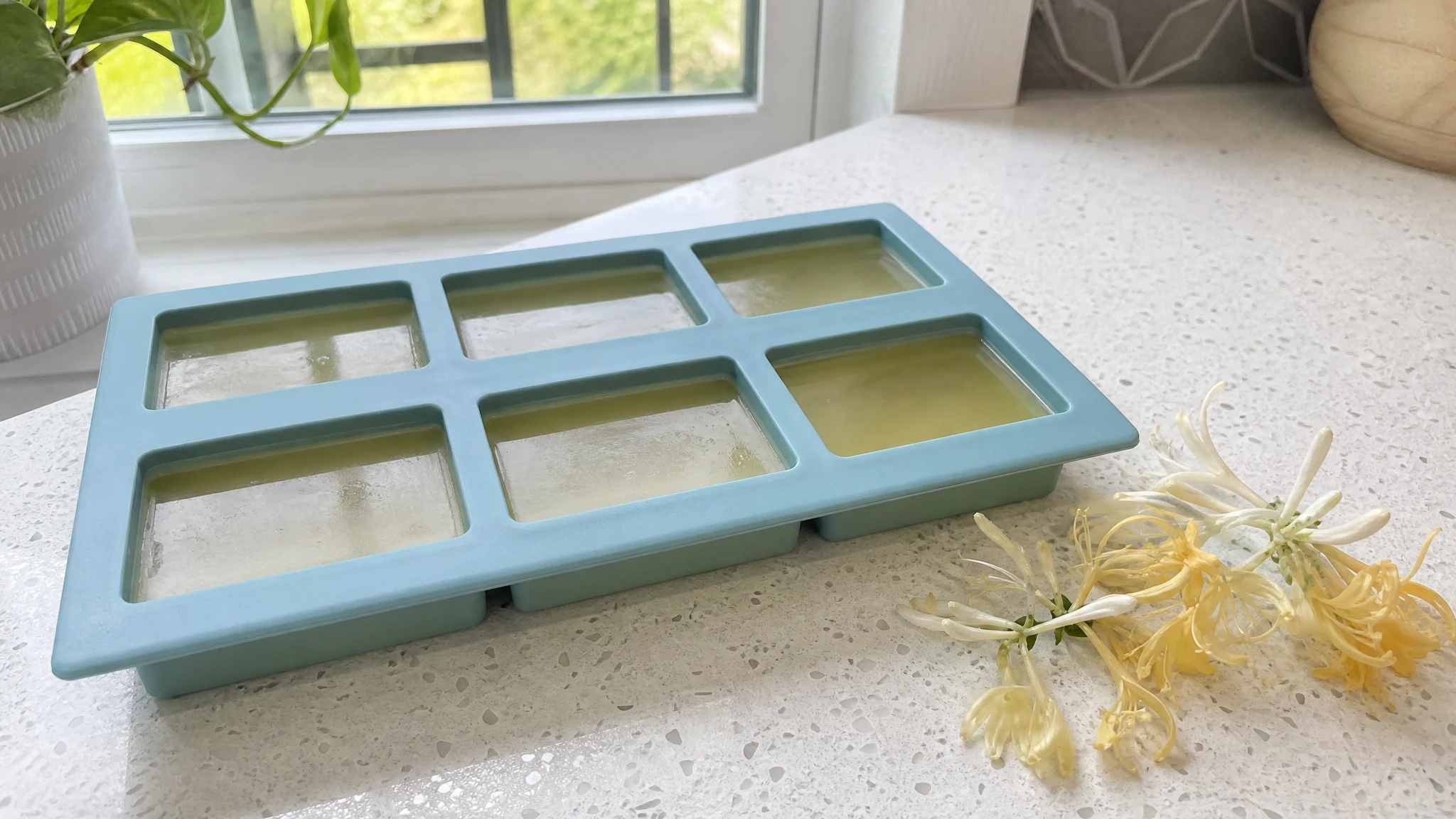
Weighing 0.05 g of anything is awkward, which is why a 10% stock is so handy. Our 10% dilution guide shows how to make one. Fragrance sensitivity can also show up hours or days after contact, so a patch test is worth doing a few days ahead of an occasion, not on the afternoon itself. Our sensitization article explains the timing.
Small, unfussy ways to wear it
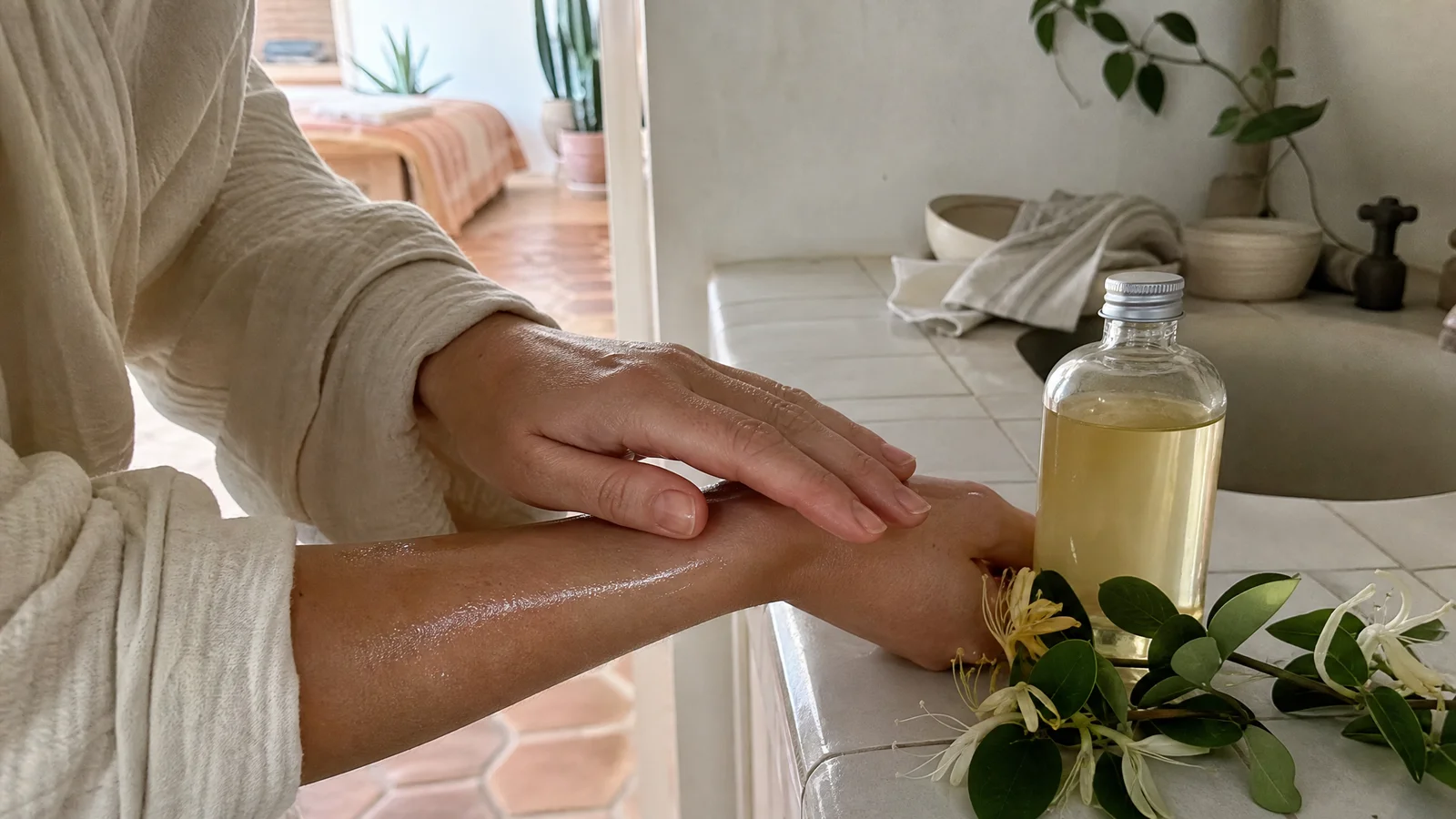
The easiest plan is a diluted roll-on at the wrists, put on a little before you head out instead of at the door, so you are not tempted to add more when you cannot smell it. A quick check with a friend is more honest than your own nose right after applying.
If you would rather not wear it at all, a cotton pad with one drop of a diluted stock, tucked into a drawer or a pocket of a bag, gives a quiet cloud each time you reach in. We would keep any absolute off pale fabric, because an absolute can lightly tint pale products and it is easier to test a hidden corner than to explain a mark later. A small saucer on a side table works the same way, out of reach of children and pets.
Keep the bottle cooler than the evening
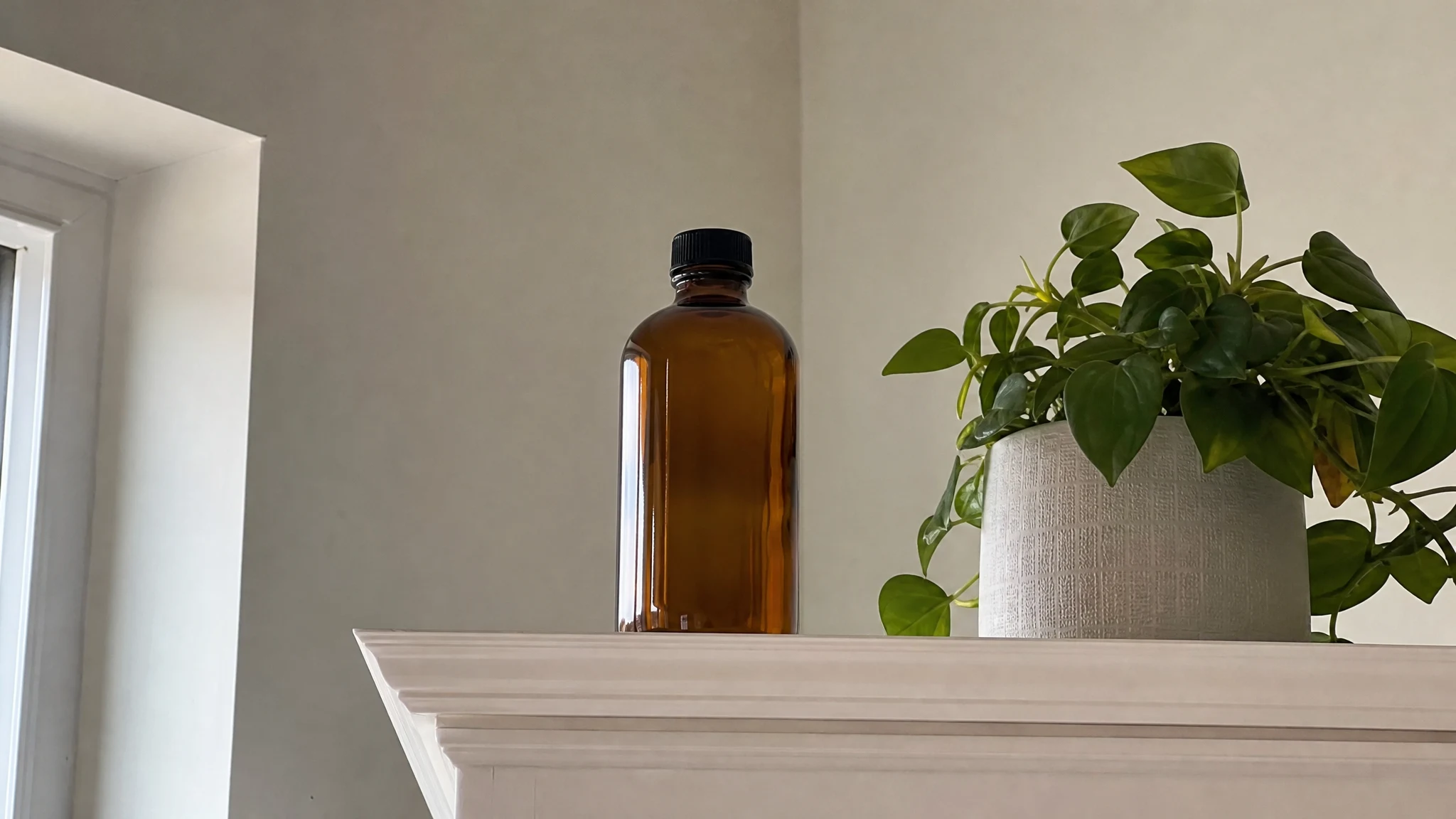
Heat matters more to the bottle than to you. The Tisserand Institute names heat, light and moisture as the factors that encourage oxidation in essential oils, and notes that a bottle with more air in it oxidizes faster. Its guidance is about essential oils rather than absolutes, so we apply it as sensible practice rather than a measured rule for ours. Our own advice is to store the bottle tightly capped in a cool, dark place, and, if you work with larger sizes, to decant working amounts into small airtight bottles.
The place to watch is the car. A Stanford-reported study found that a parked car's interior warms by an average of 40 degrees F within an hour, with most of that in the first half hour. A glovebox in July is a far hotter place than the forecast suggests, so leave the bottle at home. And if the bottle has thickened in a cool cupboard, warm it in your hand for a minute and it pours again.
Keep your notes simple. A line in a notebook with the date, the dilution and how it felt after an hour is plenty, and by the end of the summer you will know your own favourite level.
Citrus and sunshine
Summer blends often reach for citrus, which is lovely with honeysuckle. Expressed citrus oils such as cold-pressed bergamot are phototoxic, and the Tisserand Institute gives 0.4% in the final product as the bergamot maximum for skin exposed to sun. Furocoumarin-free bergamot and distilled citrus oils are the easy routes. Our citrus blend article does the sums.
Plan the whole evening, not just the bottle
A little planning helps more than extra drops. Decide before you leave where the scent is going to live: one spot on the skin, maybe one drawer, nothing else. Choose a plain, unscented soap and lotion that day so the honeysuckle is not competing with three other florals, and let the window stay open if there is any breeze. The best scent evenings we can picture are quiet ones, with the fragrance noticed only when someone leans in to say hello.
Let the flower do the evening work
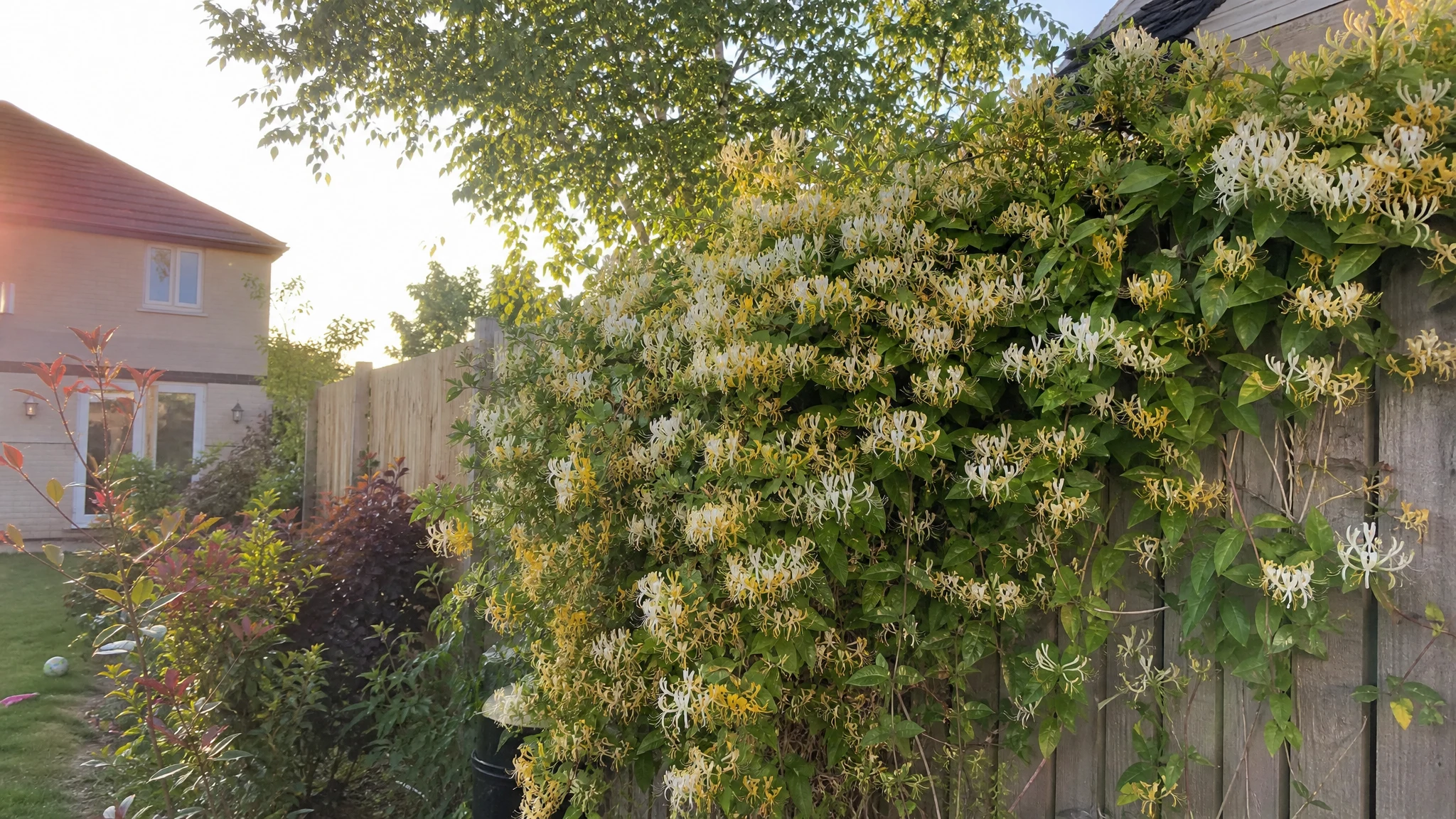
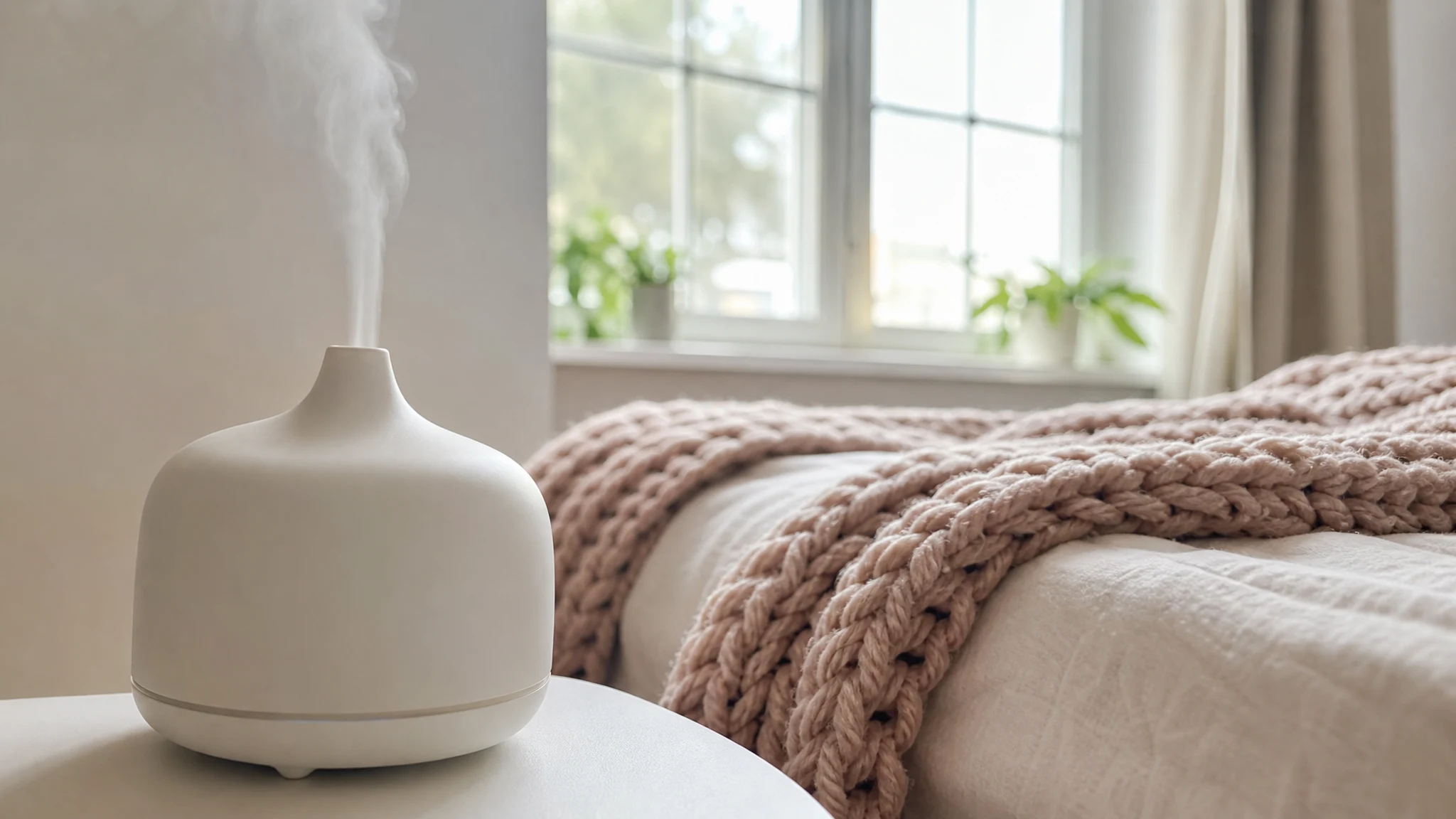
Honeysuckle peaks after dark in the garden, and our piece on night scent explains why. An absolute will not replay that show, so we think of it as a way to carry a hint of the vine indoors and onto a pulse point. A single drop of a diluted stock on a cotton pad tucked in a drawer, a light roll-on at the wrists, or a small diffuser blend such as our dusk blend all suit the mood better than a heavy hand.
The best honeysuckle evening, honestly, is a window open to a real vine and a lightly scented wrist.
Honeysuckle Absolute
Honeysuckle Absolute from our own shop, in sizes from 0.5 oz to bulk.
From $13.99
Shop Now →