Lonicera Japonica: Meet the Vine Behind the Absolute
"Honeysuckle" is a generous word. The genus Lonicera holds 158 accepted species, and most of them are not the plant a flower-extract supplier has in mind (Wikipedia, Honeysuckle). Ours is Lonicera japonica, and it is a good vine to get to know.

Honeysuckle Absolute
Our own Honeysuckle Absolute, in sizes from 0.5 oz to bulk.
From $13.99
Shop Now →A flower named for its color change
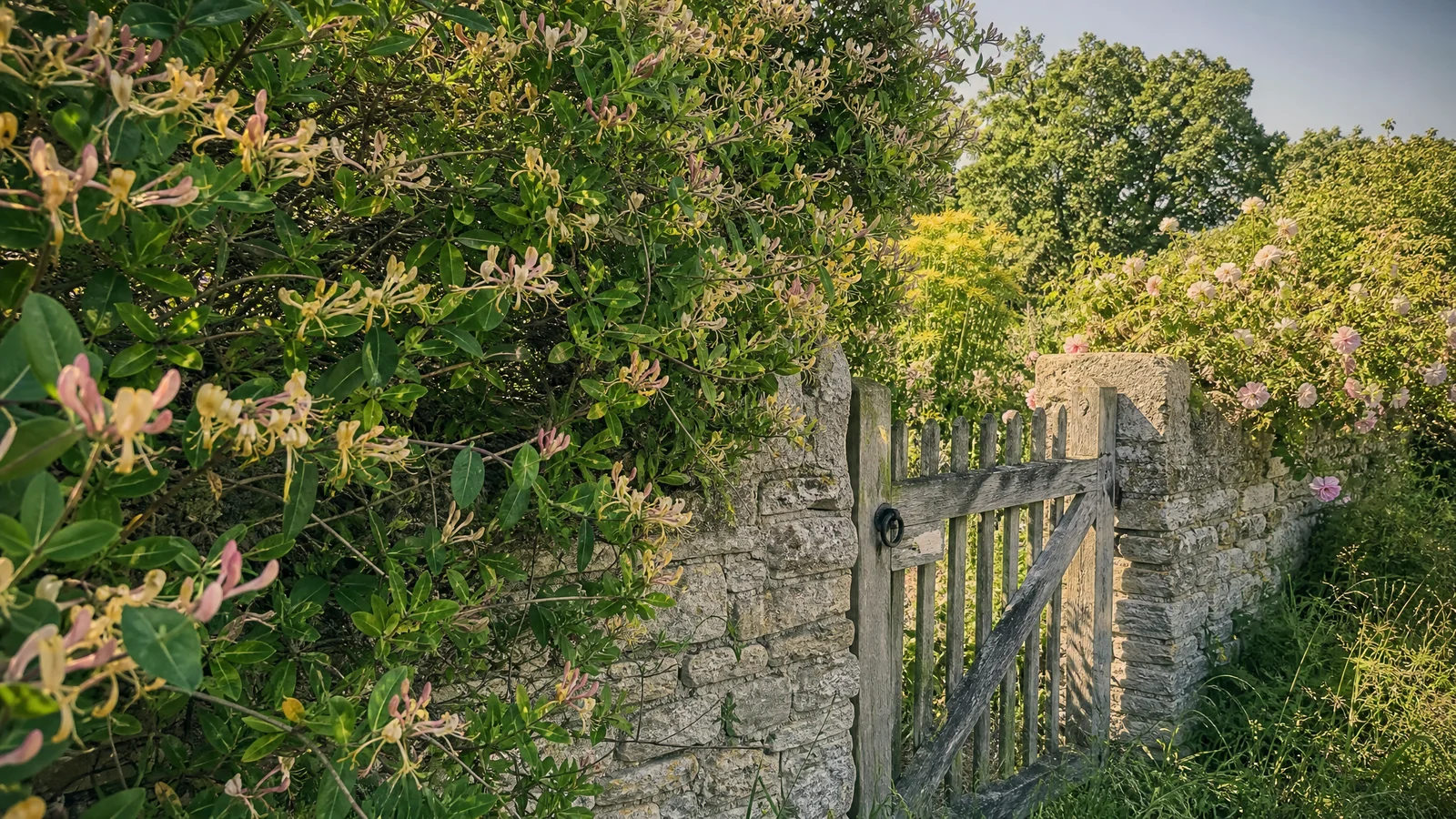
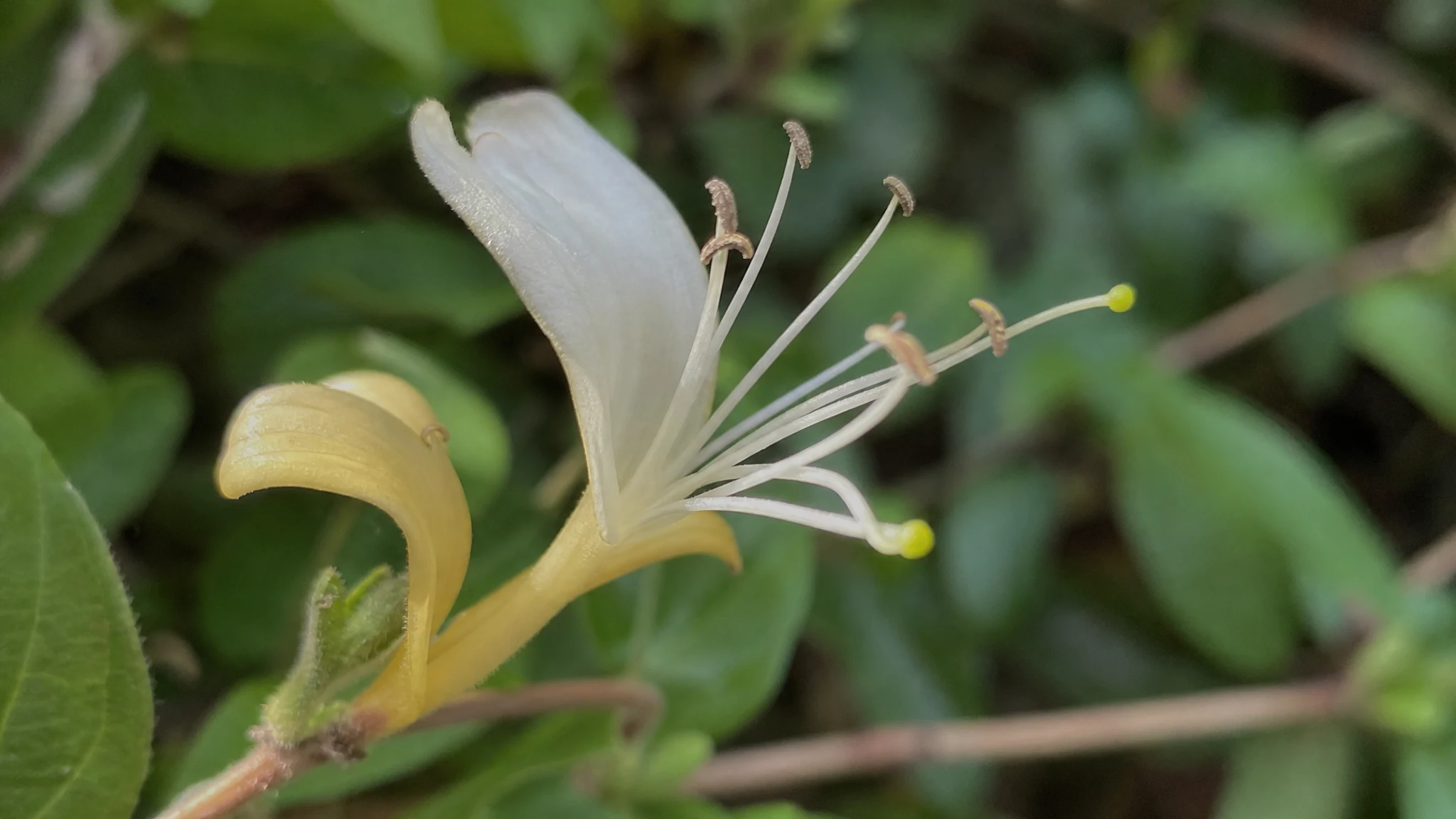
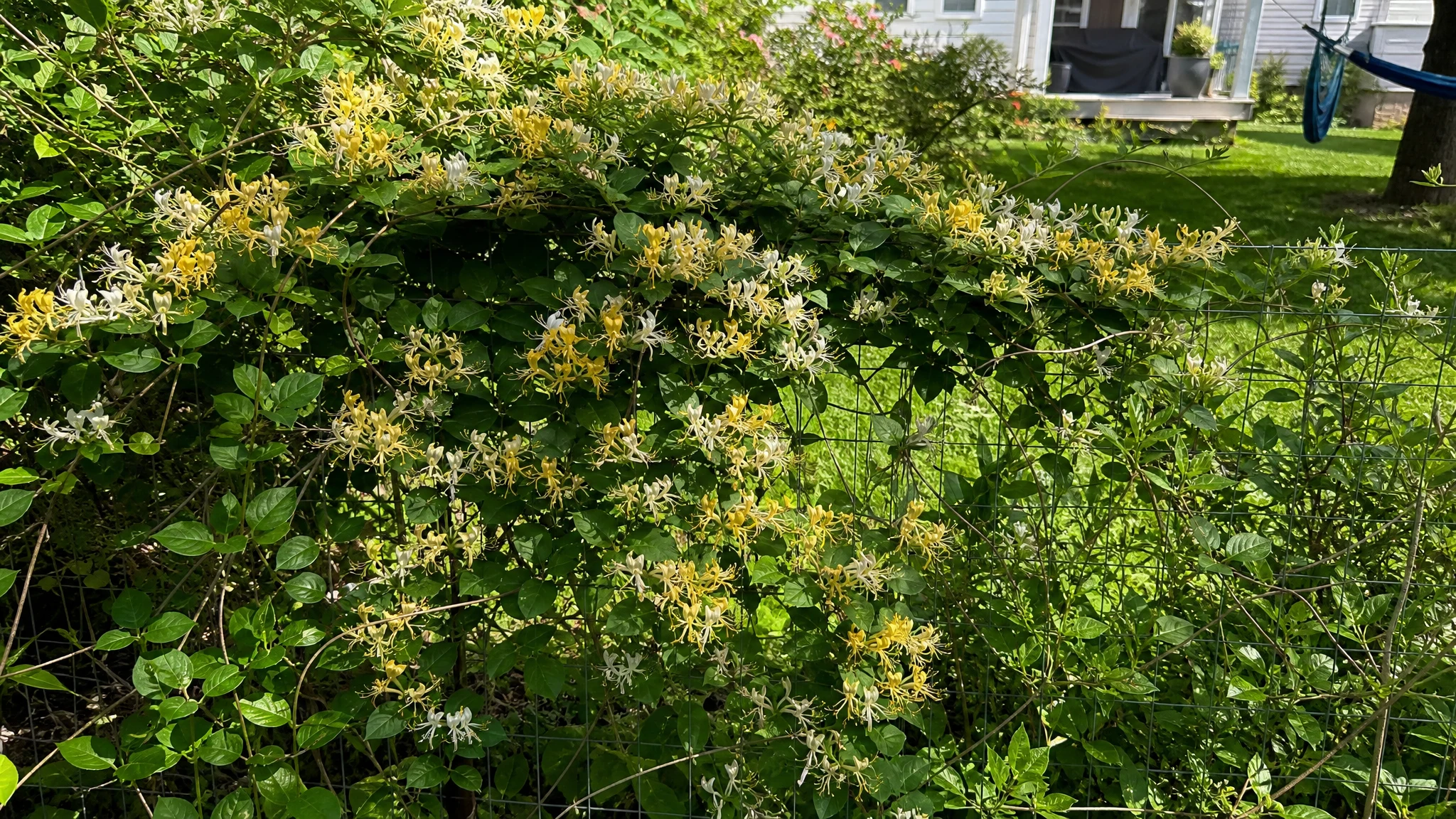
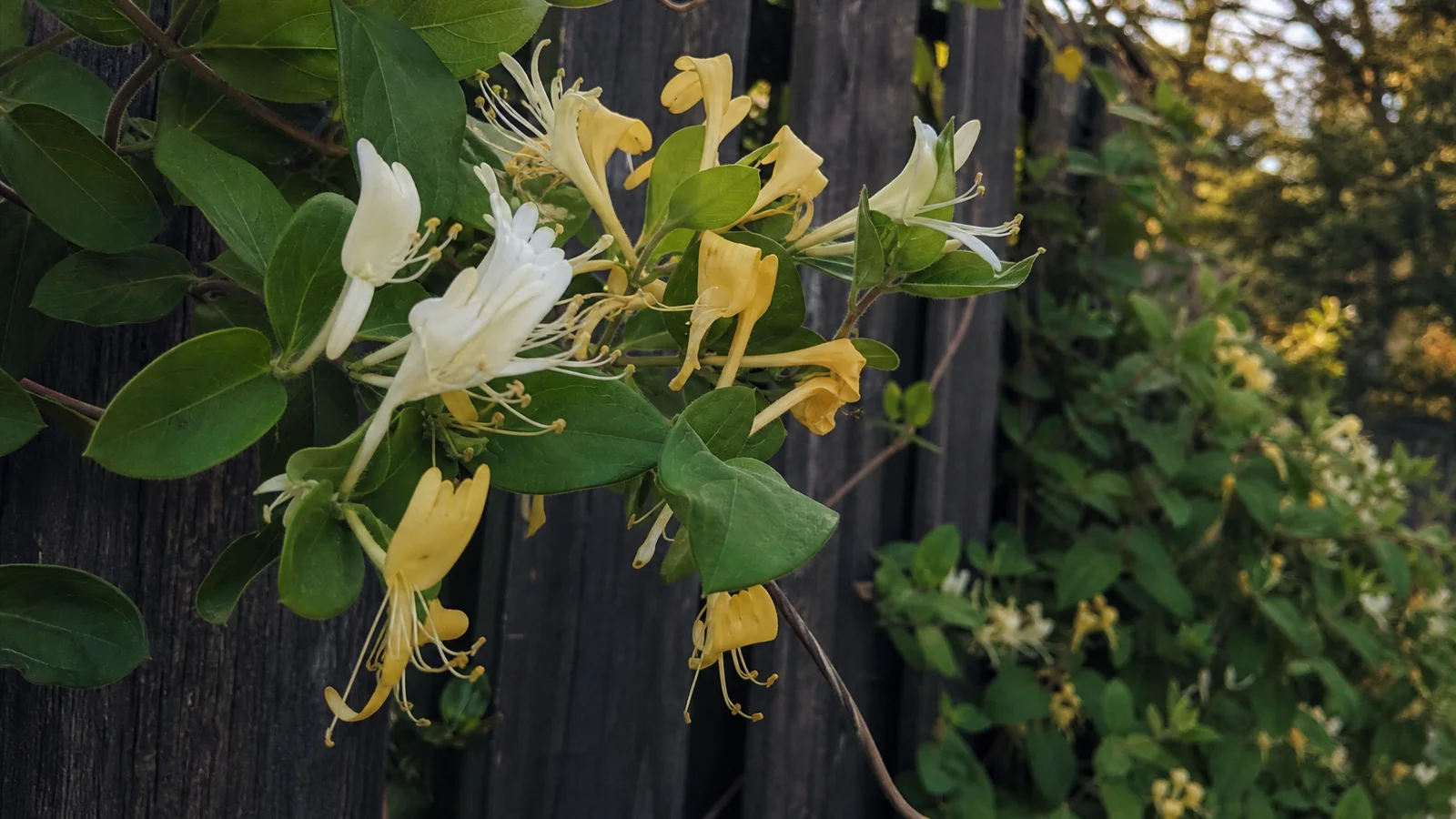
The Chinese name jin yin hua means gold-silver flower, a nod to blossoms that open white and age to yellow, so a single vine carries both colors at once. Another name, ren dong teng, is usually translated "winter enduring vine" (Wikipedia, Lonicera japonica). It is a twining climber that can reach 10 m or more up a tree, with oval leaves a few centimeters long, flowers in pairs, and small black berries.
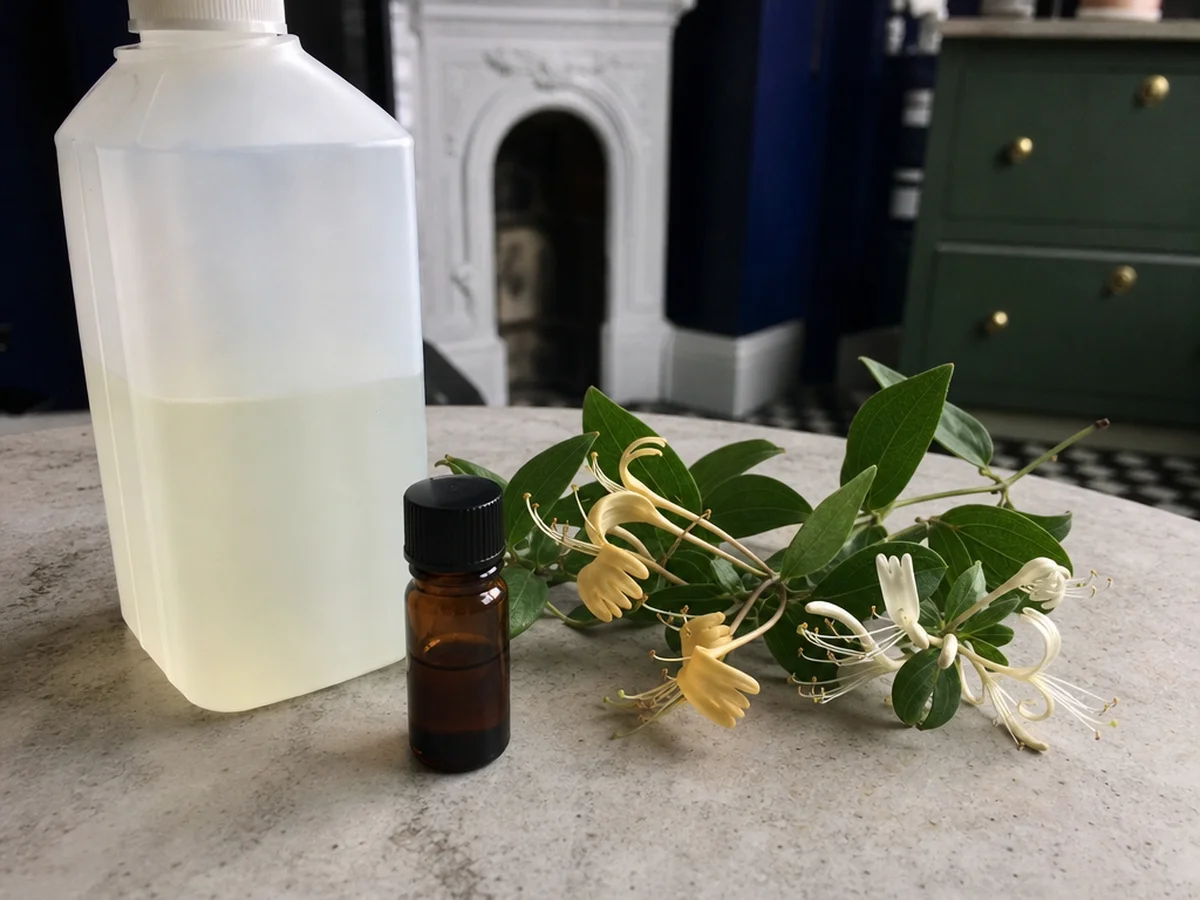
Botanical descriptions vary a little between sources. Corolla lengths run from about 1.5 cm to 5 cm depending on who is measuring, and berry sizes differ too. That is normal for a wild-ranging plant, and a good reminder that no single measurement identifies one.
What to look for on a walk
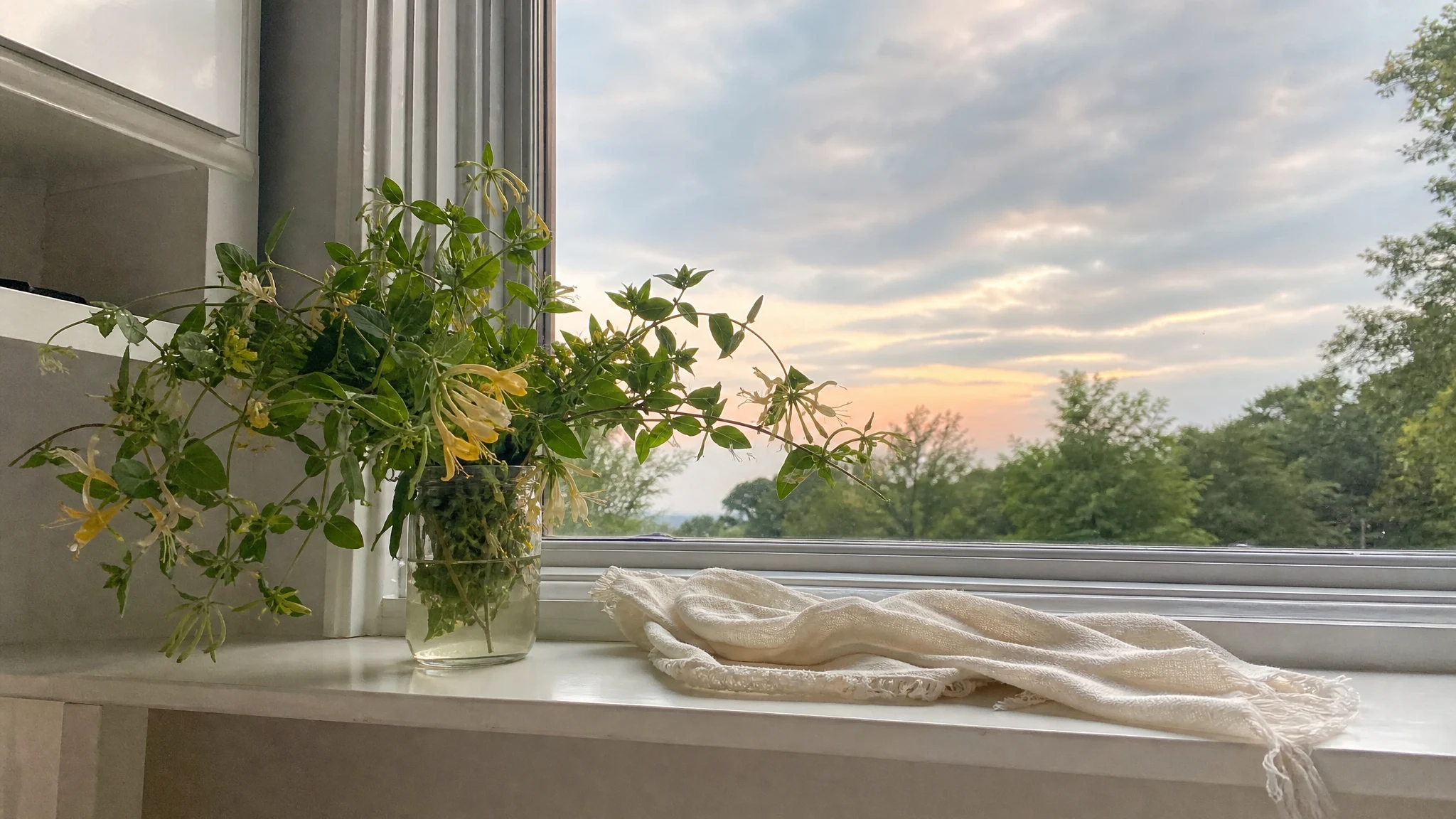
If you want to meet the plant yourself, the best time is a warm evening in early summer. Look for paired, tube-shaped flowers hanging from a twining stem, some still white and some already turning yellow, often on the same twig. Notice the oval leaves that sit opposite each other, and look at the small dark berries if you are there in autumn. Then lean in and smell it. A flower in the garden is richer and fresher than any bottle, and it changes as the light does. Enjoy it from the path rather than picking a lot of it, and keep the berries away from children and pets.
A short life in flower, a lot of change
Each bloom does not last long. A flower study followed individual blossoms across their first night, first day, second night and second day and found the strongest scent on the second night, with the mix of compounds shifting as the flower aged (Feng et al., 2023). A review of the plant's literature describes flowering from May to September in the field and flowers that last about 5 to 8 days, with the silver-flowering stage considered best for volatile oil (Shang et al., 2011). The two counts differ in where they start counting, but they agree on the main point: honeysuckle is a flower in a hurry, and the stage at which it is gathered shapes the scent. Read more in why honeysuckle smells stronger at night.
Why the bloom matters to us
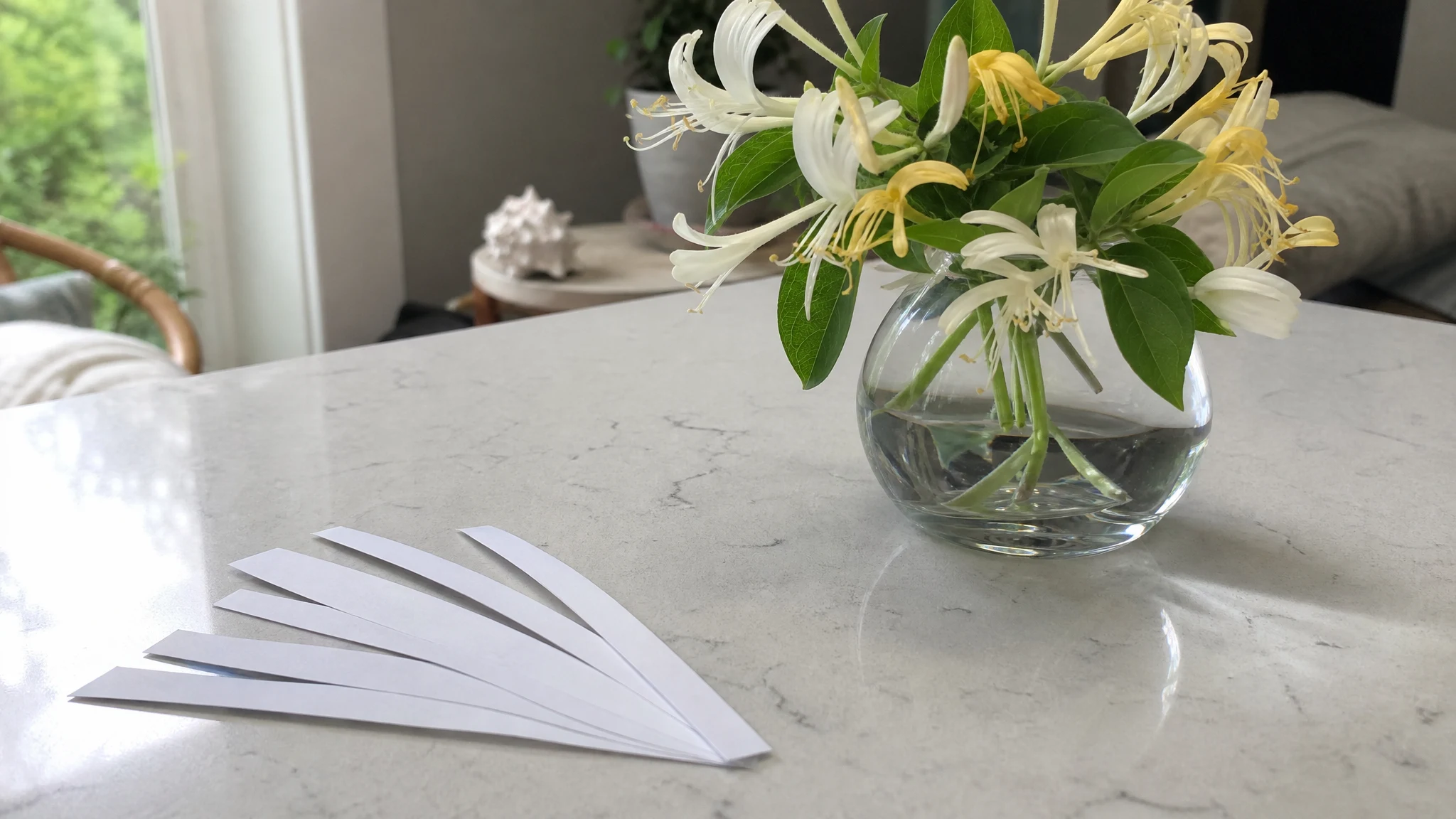
We love a material with a story you can follow. A flower that opens white, ages to yellow, and keeps changing for a few days is a lively thing to bottle, and we find it easier to talk about our absolute when we remember how much is happening inside each blossom. That is also why we tell people to smell it for themselves, on a strip, rather than trusting a description. Ours is nectarous, lush and green-floral, with a soft jasmine-adjacent warmth, and we would rather you made up your own mind.
If you ever get the chance to grow a different honeysuckle in a pot, note which species it is and where you got it. It makes comparing plants much easier, and it builds the habit of asking for a Latin name.
Where it grows in China
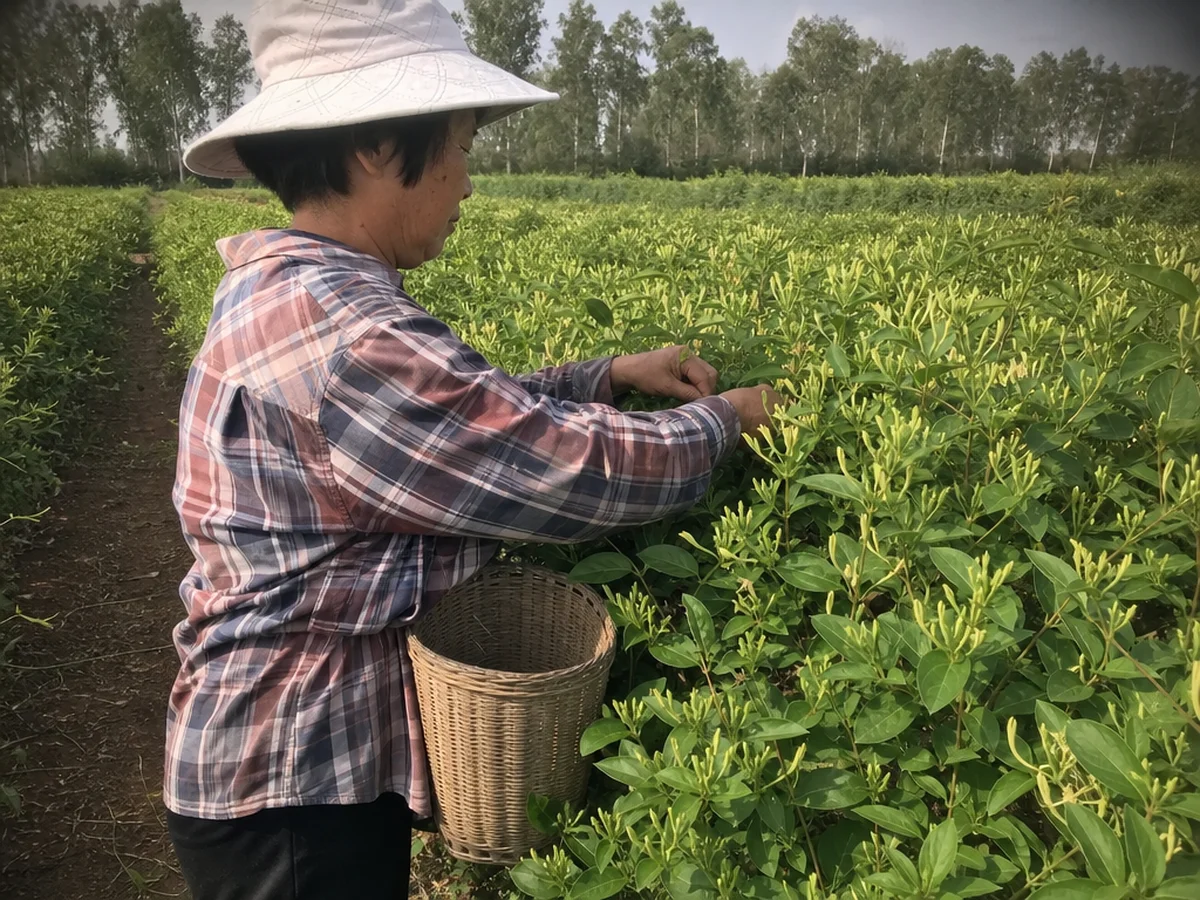
The same review describes the plant as widespread in the Yellow River and Yangtze River drainage areas, growing on hillsides, rock piles and roadsides up to 1,500 m, and largely cultivated in counties in Hunan, Henan and Shandong. Our honeysuckle is grown in China, where Lonicera japonica is a major medicinal crop. Our pages do not name a farm or a region, and the certificate does not state an origin, so if provenance matters for what you are making, ask us in writing through the contact page before you order.
Putting a Latin name to use
The botanical name is a small piece of vocabulary that pays you back every time you shop. Learn to say Lonicera japonica and you can tell it apart from a dozen other honeysuckles on a listing in seconds. Write it on your notes, your blends and your labels. When a seller gives only a common name, treat that as a question to ask rather than an answer.
What part ends up in the bottle
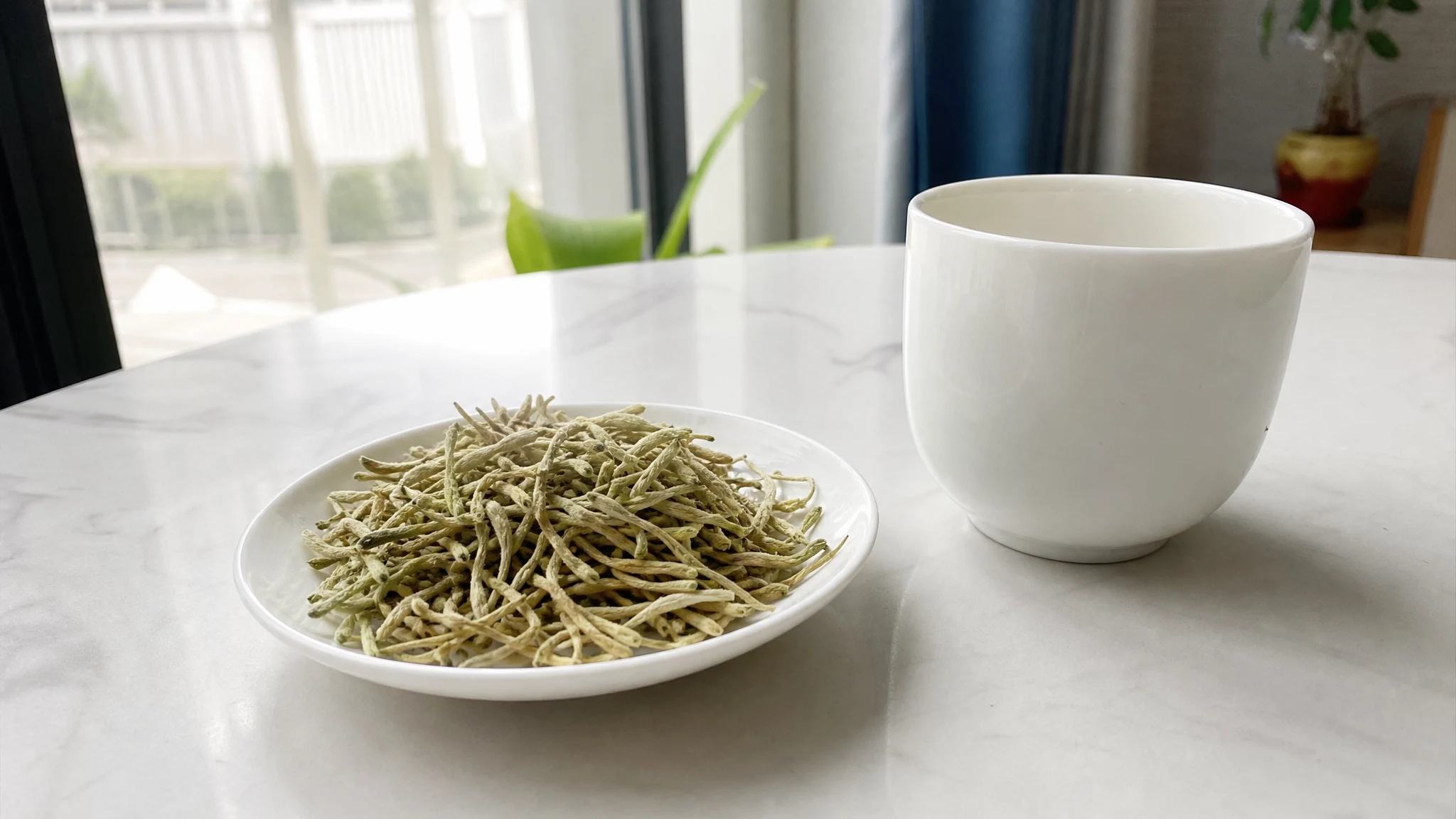
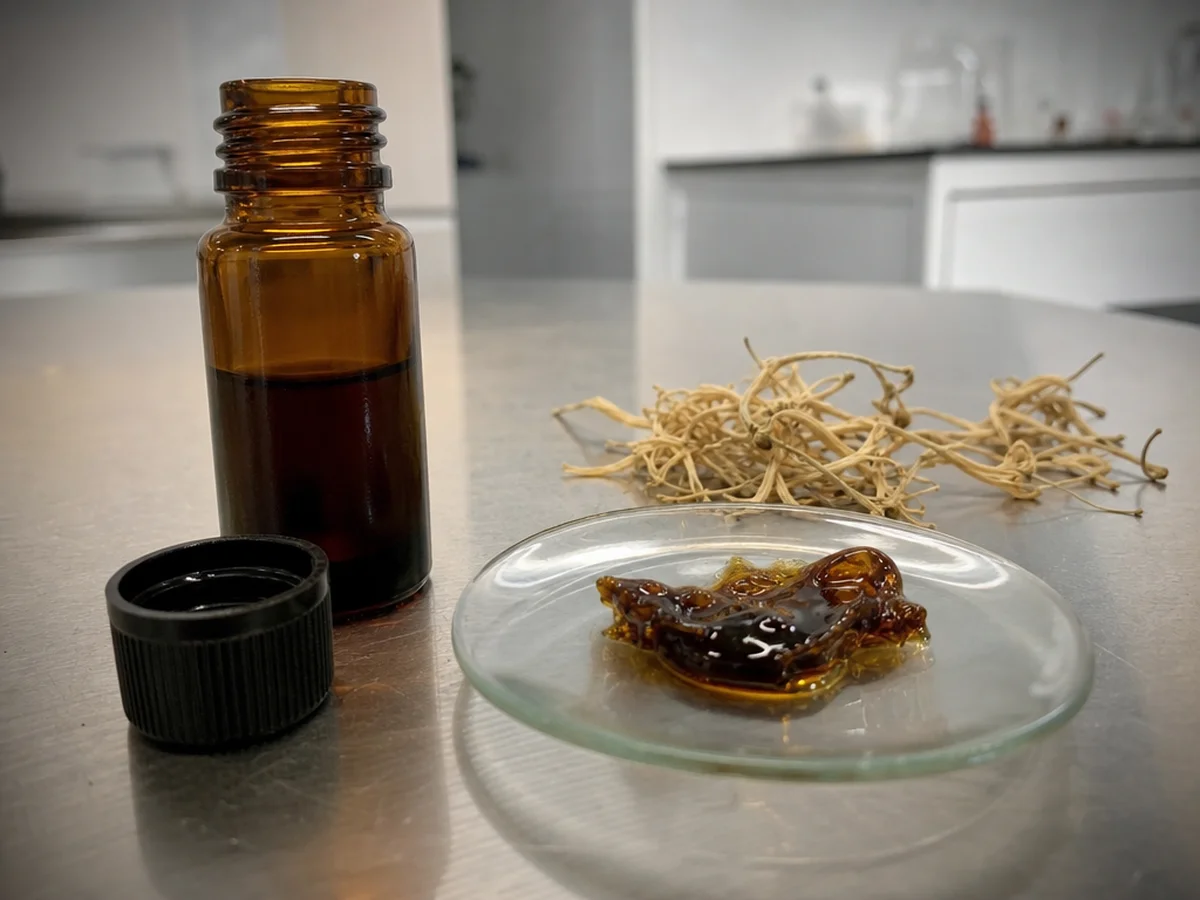
We extract the flowers: only the blossom, never leaves or stems, and always from Lonicera japonica alone, never a blend of florals. The certificate of analysis we publish for one batch lists the botanical name and the part as "Flower." It also records relative density, refractive index and optical rotation, which show a plausible liquid but cannot, on their own, name a species. A Latin name on any label is the seller's statement, so the useful follow-up is always to ask what the name rests on and what lot documents are available. Our guide to reading a COA for floral absolutes shows how.
The berries are another matter: in most honeysuckle species they are mildly poisonous, which is one more reason to leave the plant to the professionals and the perfume to the bottle (Wikipedia, Honeysuckle). For more on what is inside a flower, why one honeysuckle flower has so many chemistries is a fun next read.
A vine that changes color, scent and character within a couple of days has plenty to teach, and a bottle of its absolute is a nice way to hold on to the best of it.
Honeysuckle Absolute
Honeysuckle Absolute from our own shop, in sizes from 0.5 oz to bulk.
From $13.99
Shop Now →