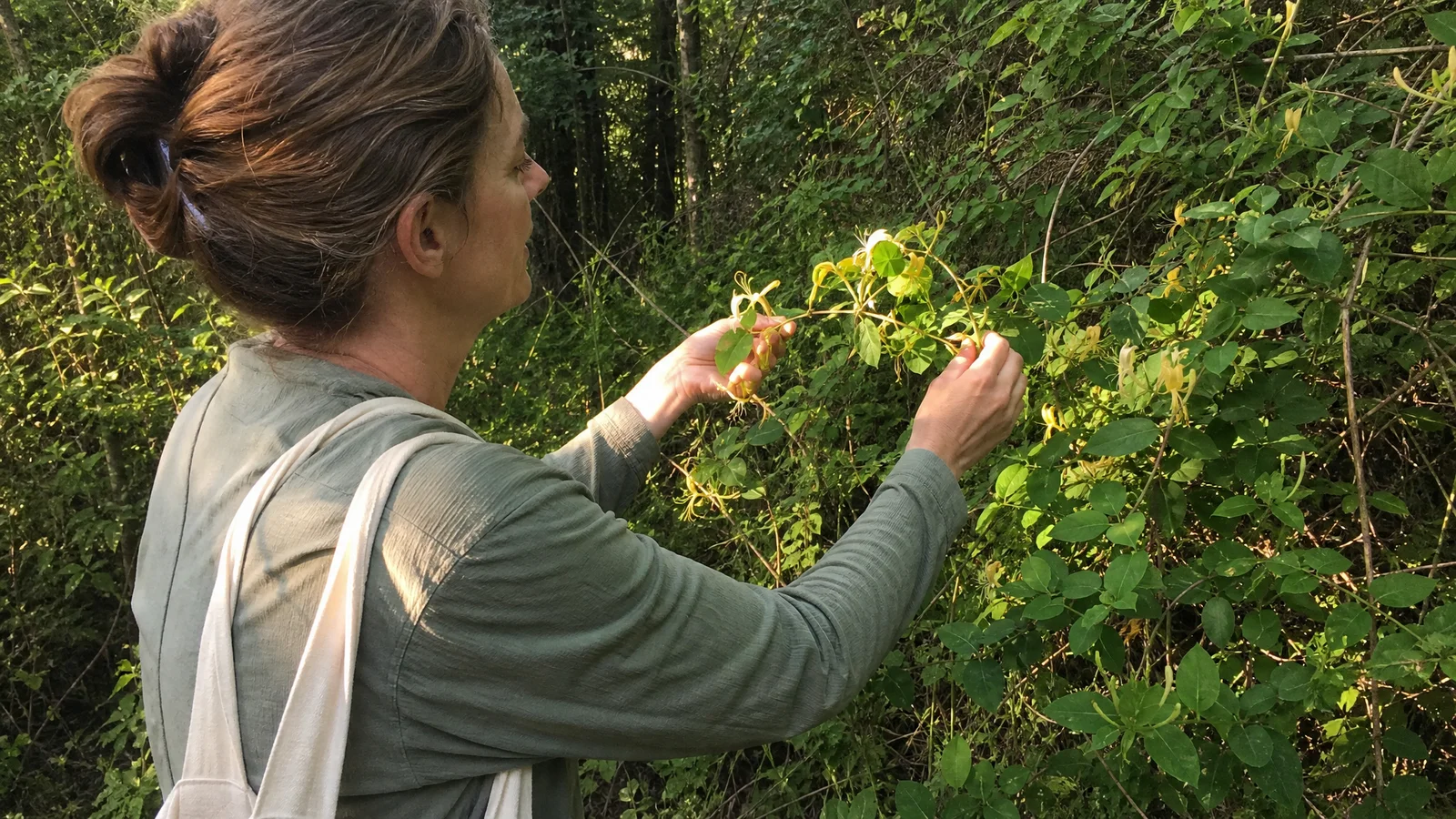
Organic vs Wildcrafted Honeysuckle: What Labels Mean
"Organic" and "wildcrafted" sound like shorthand for "better", and on a bottle of honeysuckle oil they often get treated that way. In practice they are two very different kinds of word: one is a legal claim with paperwork behind it, the other is mostly a description of where a plant was picked. Knowing the difference makes any label easier to read.
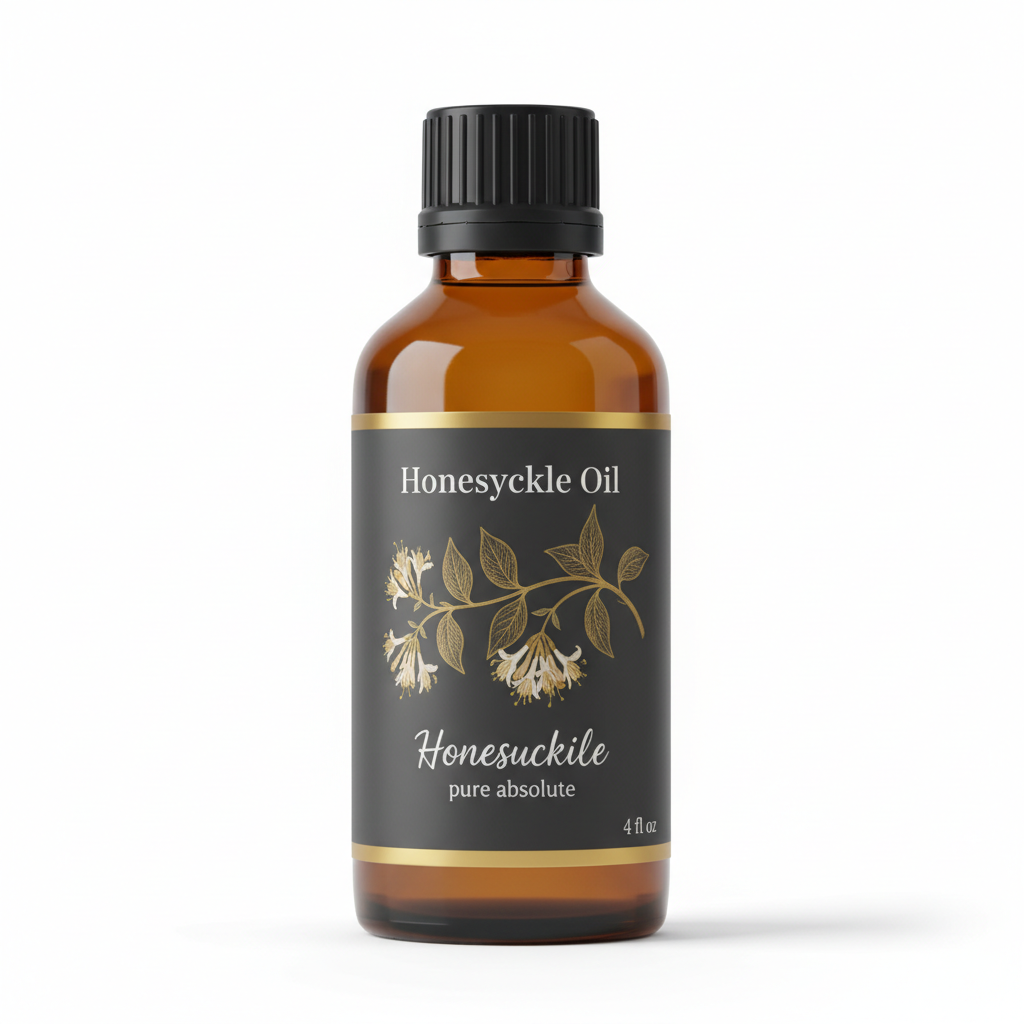
Honeysuckle Absolute
Our own Honeysuckle Absolute, in sizes from 0.5 oz to bulk.
From $13.99
Shop Now →Organic comes with a paper trail
The FDA says the term "organic" is not defined in the laws it enforces for cosmetics, and that a cosmetic labelled organic has to meet USDA's organic regulations as well as FDA's own. So the meaning of the claim comes from USDA's National Organic Program, not from the cosmetics side of the agency. The FDA adds a useful reminder: an ingredient's source does not determine its safety. A floral material can be organic and still bother sensitive skin, which is why our skin guidance of 0.5% to 2% in a carrier, patch tested first, stays the same either way.
If you see "certified organic honeysuckle absolute", three questions turn the phrase into something you can check. Who certified it? What does the certificate cover: the farm, the extraction house, the packer, or all three? And does it name the lot you will actually receive? A seller who holds the document can answer in a line.
It is worth saying that neither word is a bad one. Plenty of good growers farm organically, and plenty of plants are properly collected from the wild. The trouble is only when a word is left to do all the explaining on its own.
Wildcrafted has a definition in one place
Under the USDA rules, a wild crop is a plant or plant part collected from a site "not maintained under cultivation or other agricultural management" (7 CFR 205.2). To be sold as organic, a wild crop must come from a designated area where no prohibited substance has been applied for three years before harvest, and the harvest must not damage the environment or the wild crop's ability to keep growing (7 CFR 205.207).
On an oil bottle, "wildcrafted" usually has no such backing unless an organic certificate appears alongside it. On its own, it tells you the seller's intention. Better questions are concrete ones: where was it picked, by whom, was the site managed, was anything sprayed? Those have answers. Our article on Japanese honeysuckle as an invasive plant adds a wrinkle: because this vine spreads so readily in many places, "wild" on a honeysuckle label is not automatically a statement about sustainability.
What we can tell you about ours
We do not sell our honeysuckle absolute as organic or as wildcrafted, and we do not publish an organic certificate for it. What we can say is that the vine is grown in China, where Lonicera japonica is an important medicinal crop, and that the lot number and country of origin appear on the label. The Certificate of Analysis we publish for one batch gives the product name, batch number, botanical name, part used, best-by date, extraction method (solvent extraction) and three physical measurements, with no farm, region or organic statement.
So if your product has to be organic, whether for your own certification, a retailer or a customer, our absolute is not the one to buy on current paperwork. We would much rather you know that before you order than at an audit.
Origin changes the scent more than the adjective does
People sometimes use "wildcrafted" or "organic" as a stand-in for "better smelling". Plant chemistry does not work that way. A 2025 study compared 32 dried flower-bud samples of Lonicera japonica from four areas of China and found 34 volatile compounds that differed between origins, which the authors link to local conditions such as altitude and rainfall. It looked at relative differences in dried buds, not absolutes and not organic against conventional farming, so the takeaway is modest: the same species grown in different places can smell and measure differently. An organic certificate does not tell you where a plant grew, and a place name does not tell you how it was farmed.
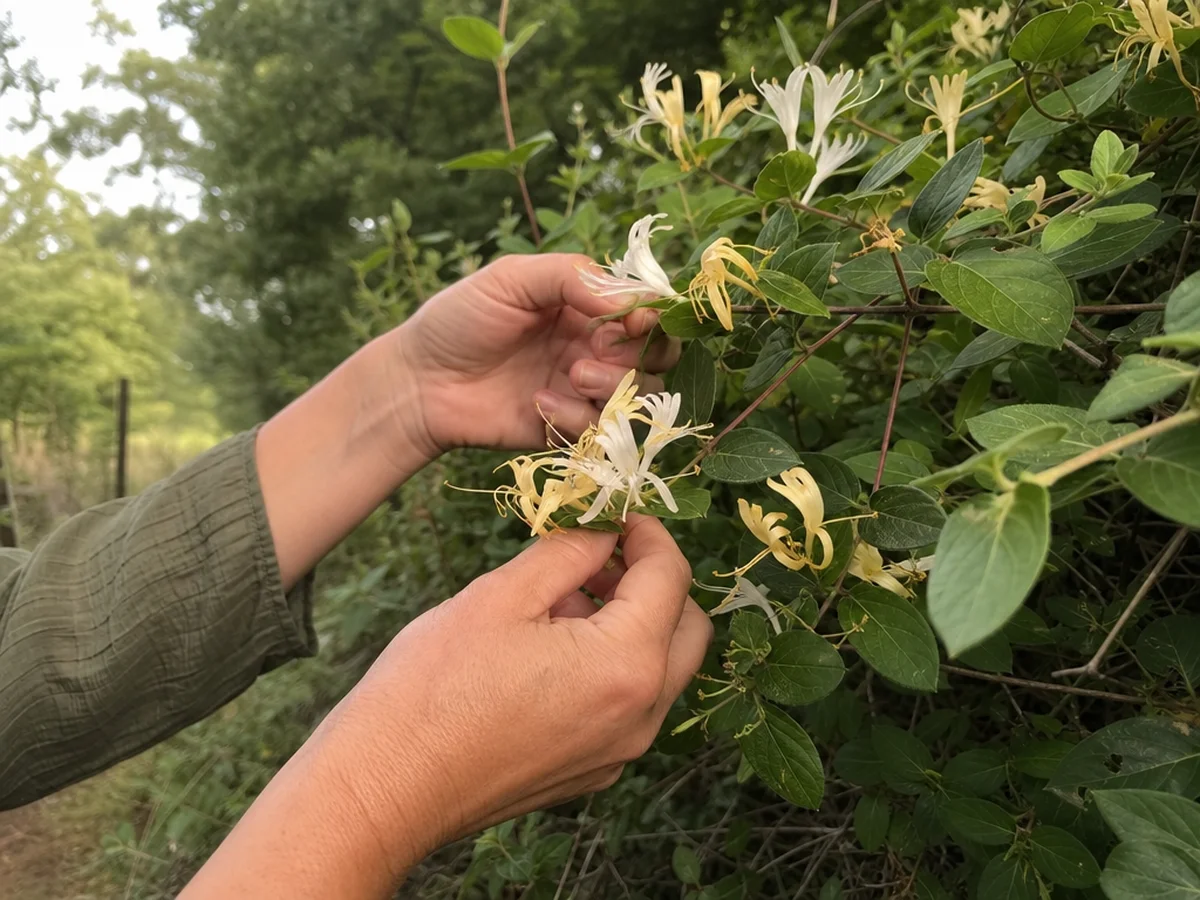
A few labels worth a second look
When you scan a bottle or a listing, a few phrases deserve a second look. "Natural" and "botanical" describe a feeling, not a fact. "Wild" tells you about a plant, not about a process. "Organic" is only as strong as the paper behind it. A good test is to ask whether you could write a question that the seller could answer in one line, such as "who certified it?" or "where was it grown?" If the answer is a clear line, you have a seller who knows the product. If the answer is a marketing paragraph, treat it as a no.
That attitude applies to us as well. We would rather you ask and hear a plain answer than guess from a word on a page.
Shopping for it
If an organic or origin claim matters, send the seller two questions in writing before you pay: who certified it, and does the document name your lot? You can ask us the same, and the answer on organic is no. For the other documents a lot can come with, our guide to reading a COA for floral absolutes and our buying checklist will help you ask well.
Labels are a starting point for questions, and the sellers worth buying from are the ones who like being asked.
Honeysuckle Absolute
Honeysuckle Absolute from our own shop, in sizes from 0.5 oz to bulk.
From $13.99
Shop Now →Sources & Further Reading
- US Food and Drug Administration, Organic Cosmetics
- Electronic Code of Federal Regulations, 7 CFR 205.2 and 205.207 (National Organic Program)
- Ning X et al., 2025. Differential analysis of non-volatile and volatile organic compounds in Lonicerae japonicae Flos across four geographical origins of China. Molecules 31(1):4