Honeysuckle Absolute on Fabric: How to Treat the Mark
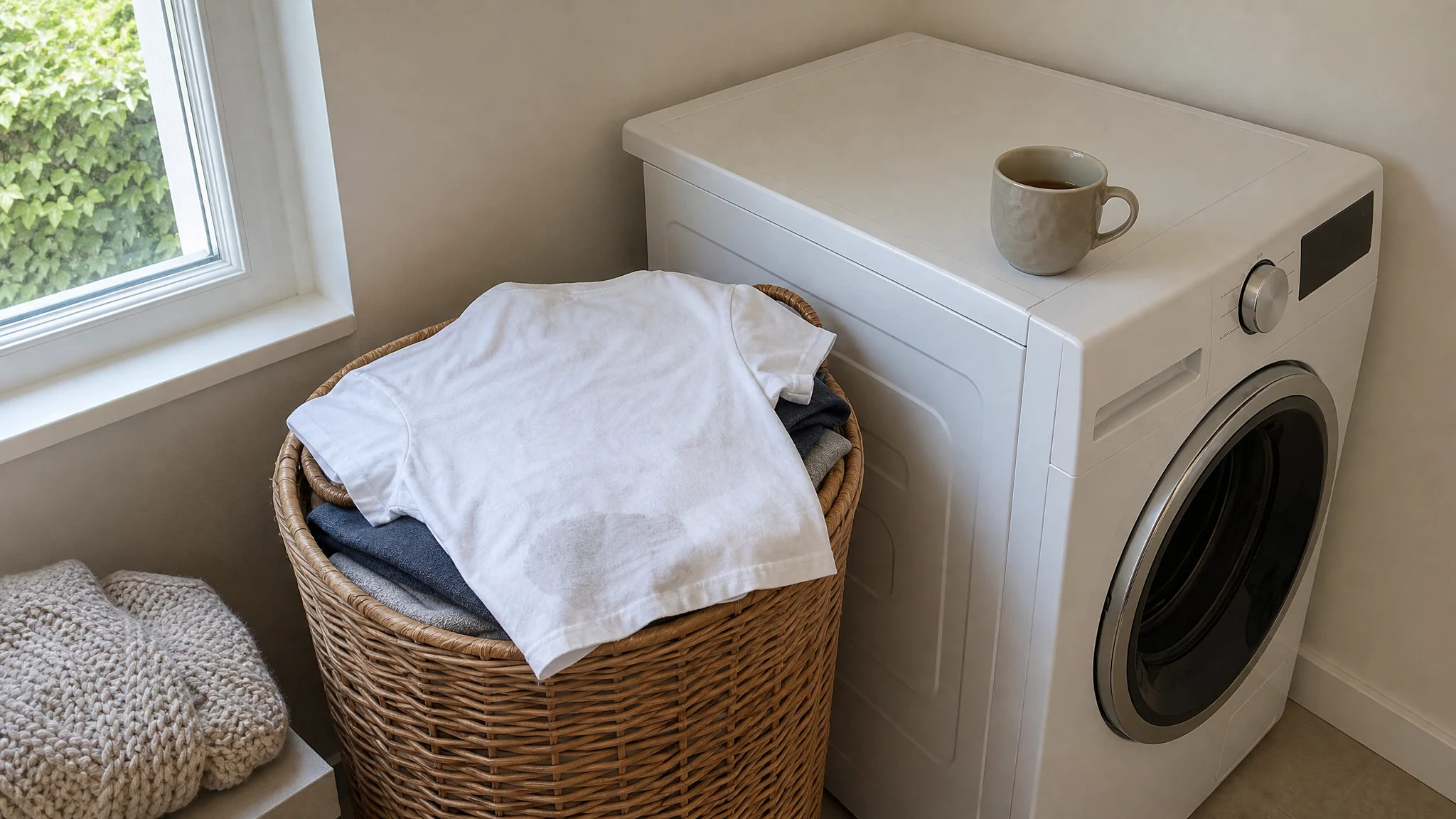
A single drop of honeysuckle absolute on a cotton tee does not look like much. Give it a minute and a translucent, slightly darker spot spreads out, the way it would with olive oil or hand cream. That is the whole story: an absolute is an oil-soluble plant extract, so the mark it leaves is a grease-type mark, and it is treated like one.

Honeysuckle Absolute
Our own Honeysuckle Absolute, in sizes from 0.5 oz to bulk.
From $13.99
Shop Now →Start with the verdict
Treat a spill of our absolute the way you would treat any oil, because that is what it is. Oils sit in the weave of a fabric and do not rinse out with plain water. The good news is that grease is one of the best-understood stains in laundry, and the first few minutes matter most. Cornell Cooperative Extension notes that old stains are more difficult to remove than fresh ones, and that no single product or method suits every stain.
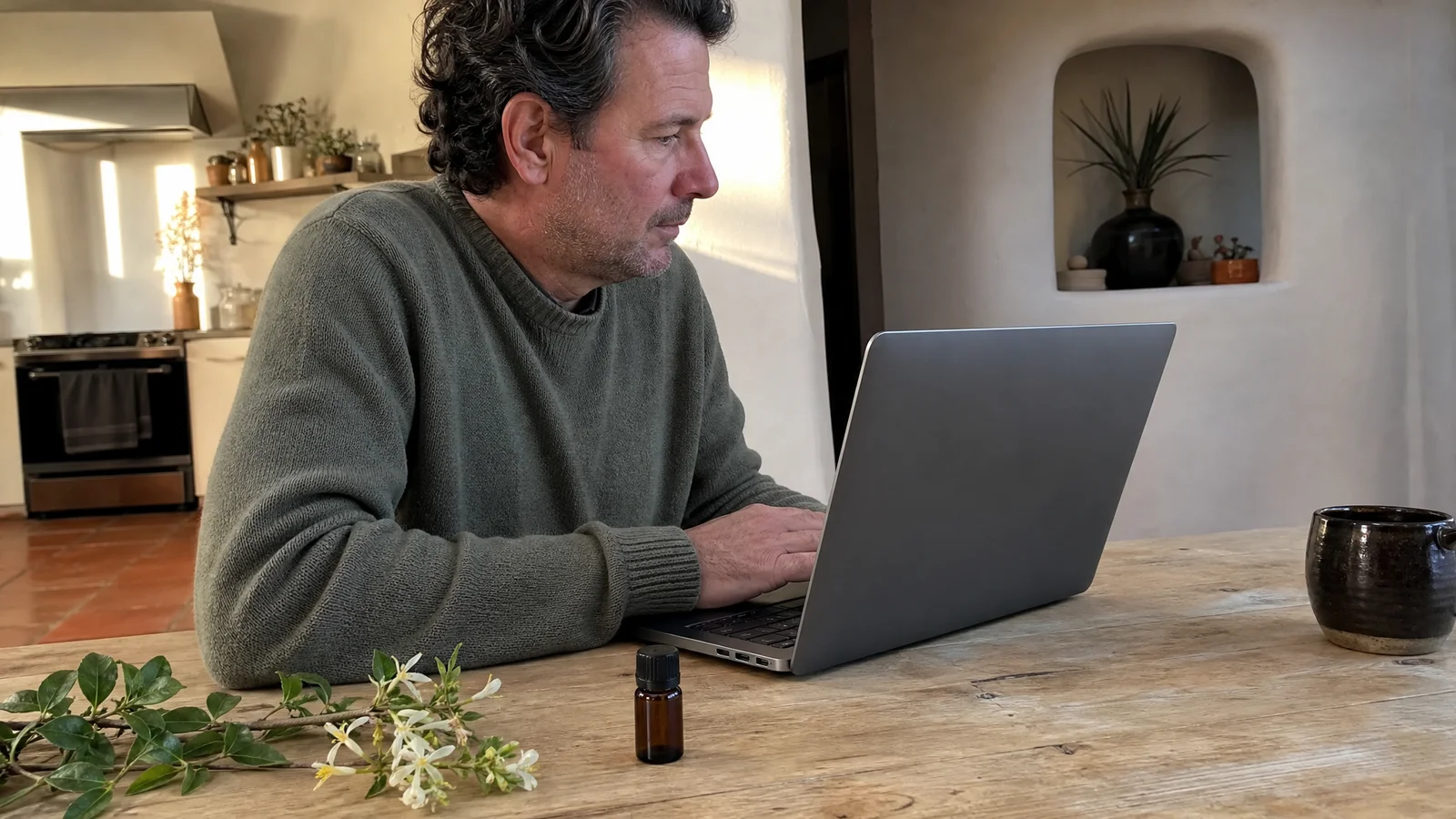
The bottle is concentrated, thick and sold neat. A tipped bottle, a drip down the side and a hand that then touches a sleeve are the usual routes to a mark. If the bottle is stiff from the cold, our post on why the absolute is thick shows how to warm it in your hand so it pours in a controlled way.
What to do in the first minute
- Blot, do not rub. Press a clean paper towel or cloth onto the spot and lift. Rubbing pushes oil further into the fibres and widens the mark.
- Read the care label before anything else. Both Cornell and the University of Georgia Extension start there, and both say to pretest any cleaning product on a hidden area first.
- Work in a little mild liquid dishwashing detergent. Cornell's procedure for fats, oils and waxes on washable fabric uses a detergent solution worked into the stain, then a flush with water. It names mild liquid hand dishwashing detergent and specifically not dishwasher detergent or strong laundry detergents. Put a small amount on the spot, rub it gently with your fingertip or a soft brush if the fabric is sturdy, and rinse.
- Look at it dry before you decide it is gone. A damp patch looks darker than it is. If a shadow remains once the fabric has dried, repeat the detergent step before you wash it.
- Then launder as the label allows. Cornell says the same methods can be used on washable fabrics for localised treatment before laundering. So in practice we would keep an item out of a hot dryer until the mark has clearly gone, since heat applied to a stain you have not fully lifted risks fixing it in place.
Fabrics that need a professional
Silk, wool, leather, suede, velvet and anything marked dry clean only are best taken to a dry cleaner as soon as you can, with the stain pointed out. Cornell is blunt on this: professional dry cleaners have skills and resources that are not available to the consumer, and some stains need professional treatment. Do not start with a home remedy on a fabric you cannot replace.
The University of Georgia Extension gives solvent-based stain removers for oil on fabric, but it also warns to check the care label, to use the cleaner with ventilation and to pretest on a hidden spot. We would keep strong solvents out of the picture for a small drop of a floral oil and reach for detergent first.
If the mark looks like more than grease
If a tint remains after the grease has lifted, treat the colour as a second step. Cornell's advice for combination stains is to treat the greasy component first, and only then deal with the colour. A professional cleaner is the right call if you are not sure.
Counters, wood and other surfaces
The fabric guides above do not cover furniture, so this part is simple reasoning from how oils behave. Wipe up as much as you can with a dry cloth, then use a cloth with a drop of mild dish detergent in warm water, and dry the area. Test in a hidden corner first. Unfinished wood, natural stone, leather and antique pieces are the ones to hand to a specialist for advice.
Keeping it off in the first place
Most marks come from the moment of pouring or blending. Work over a tray or a folded towel, keep the cap handy, and dilute before you go near clothes. Our 10% stock method keeps the neat absolute out of the way for most projects, and a weighed blend is less likely to drip than a counted one. If you are making something that will touch fabric, such as sachets or linen spray, apply it to the sachet or a spare cloth, not to the good tablecloth.
If a spot does appear, you now know that it behaves like any other oil: quick action, mild detergent, and a bit of patience. A drop on a cotton tee is rarely a disaster.
Honeysuckle Absolute
Honeysuckle Absolute from our own shop, in sizes from 0.5 oz to bulk.
From $13.99
Shop Now →