Honeysuckle Infused Oil or Absolute: Which to Choose
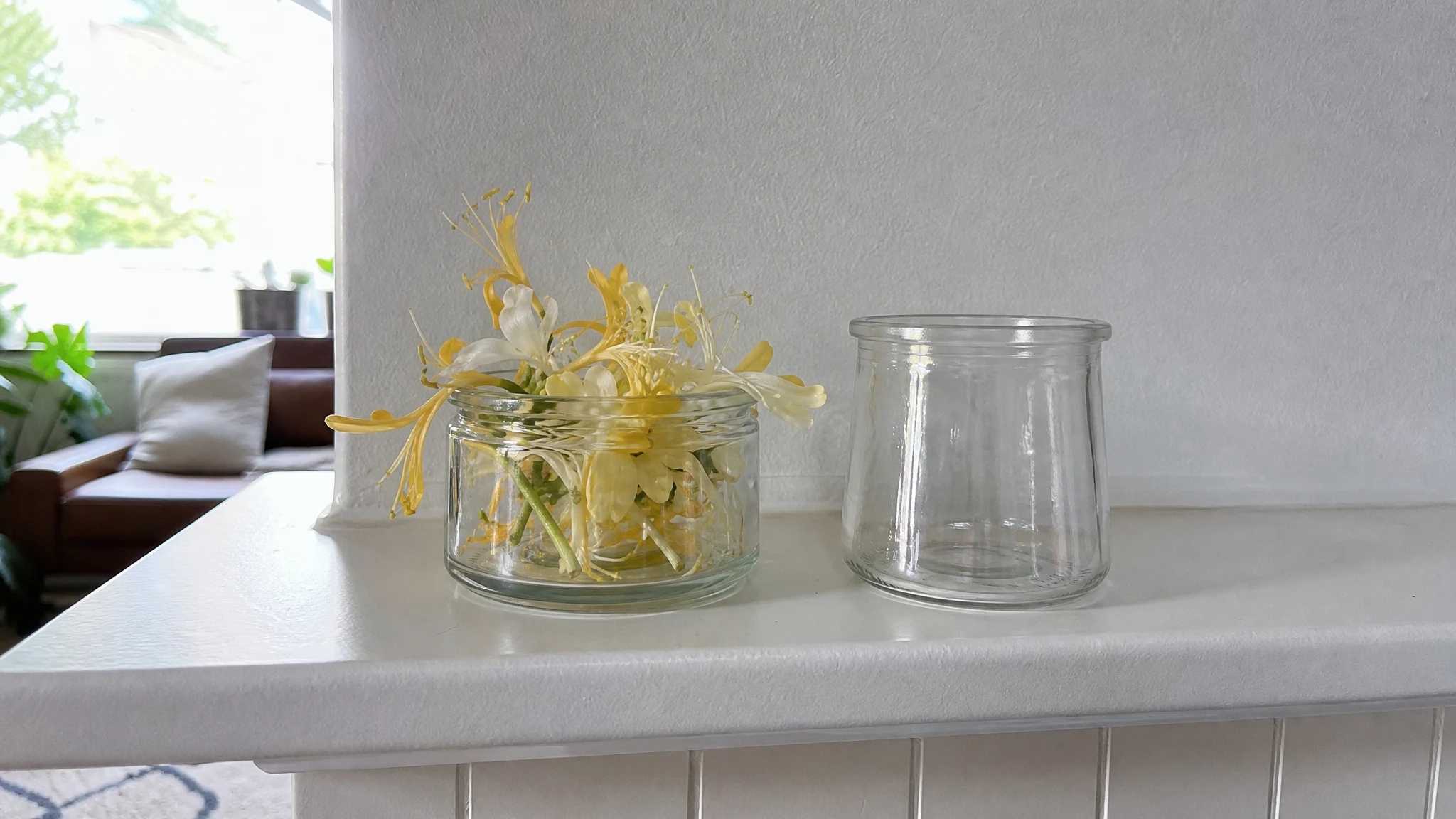
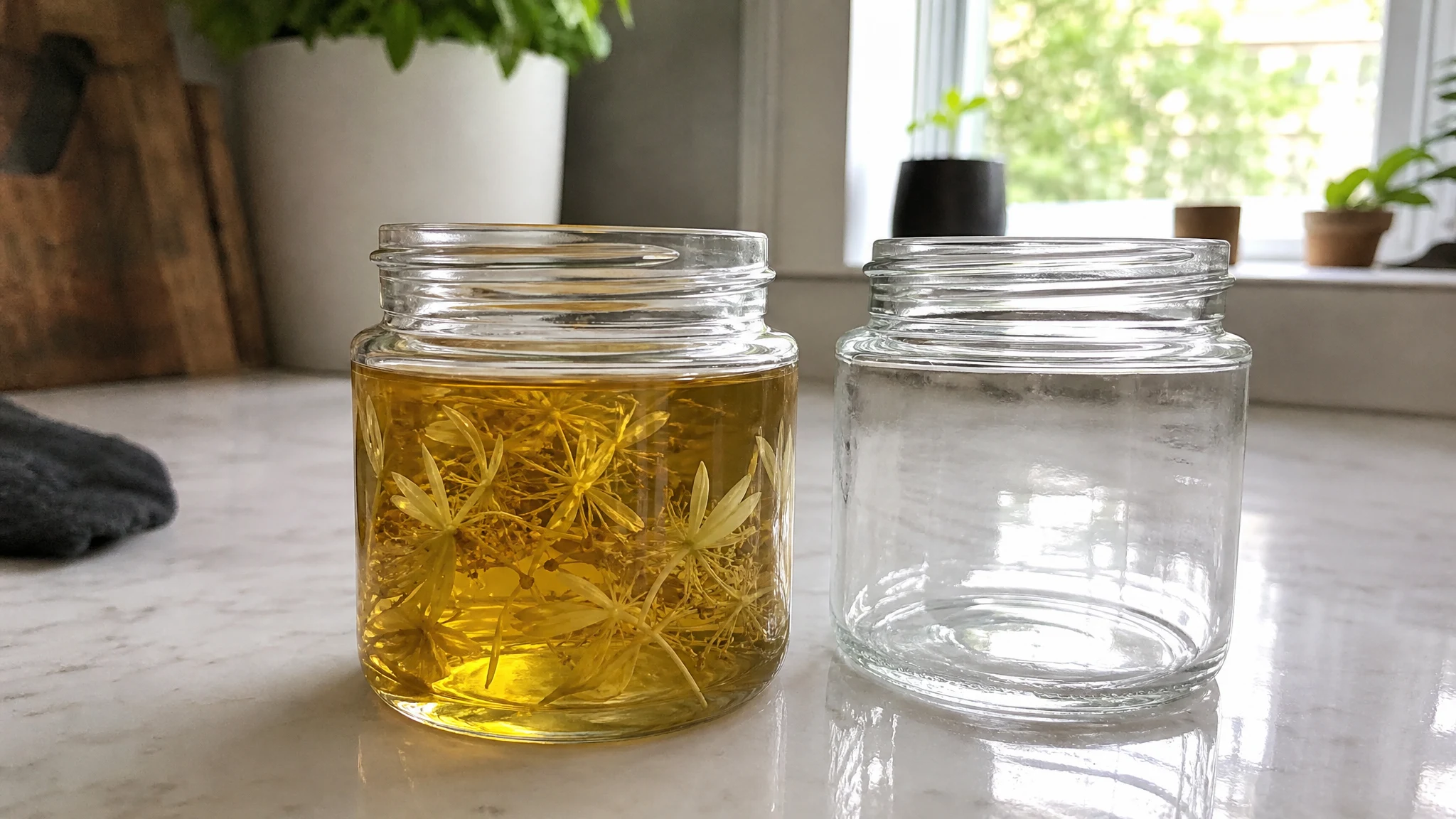
Picture the jar: a handful of fresh honeysuckle blossoms pressed into golden oil, sitting in a sunny window. It looks like summer in a bottle. It is also the moment to slow down, because fresh flowers and oil need a little care, and it is worth understanding why before you pick up the scissors.
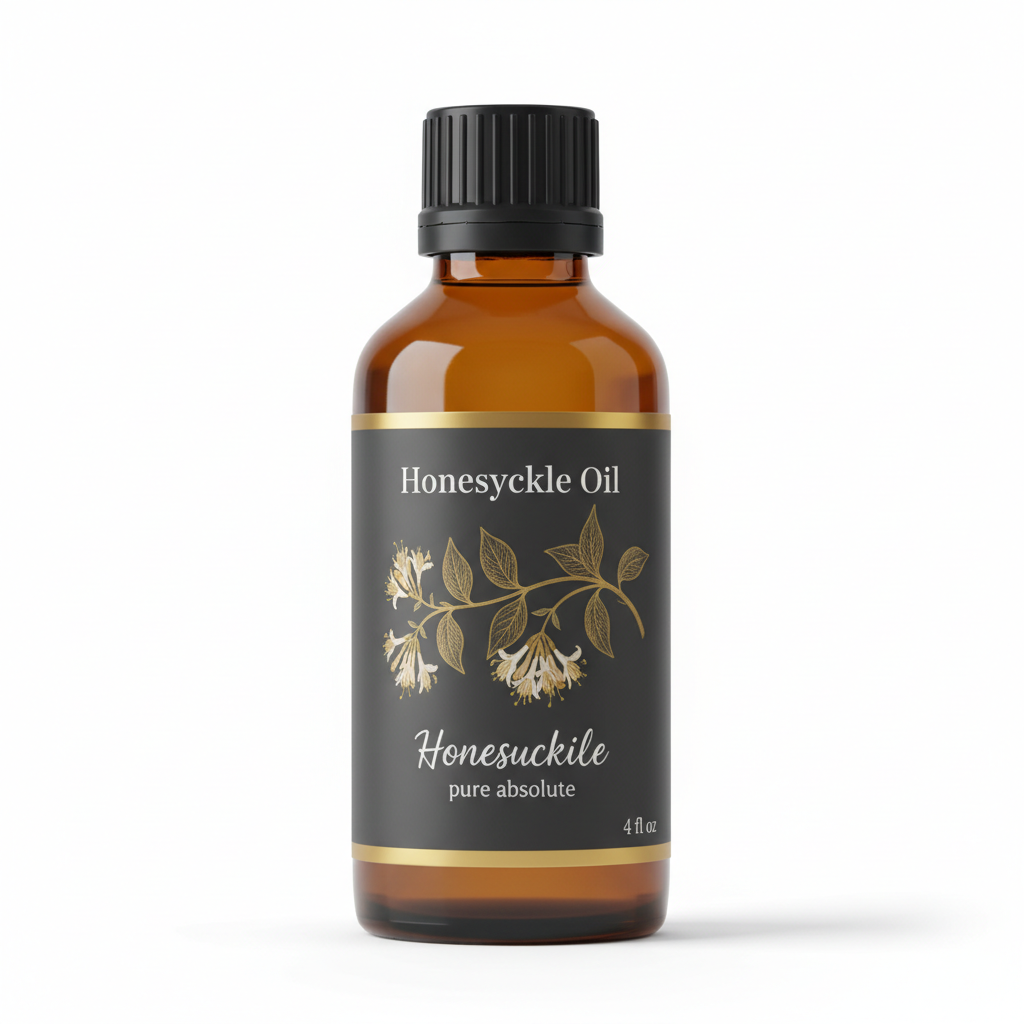
Honeysuckle Absolute
Our own Honeysuckle Absolute, in sizes from 0.5 oz to bulk.
From $13.99
Shop Now →Two products that share one word
An infused oil is flowers steeped in a carrier oil and strained, so what you hold is mostly carrier with a quiet whisper of plant. An absolute is a concentrate: we sell ours solvent-extracted, neat and undiluted, and it is used by the drop. We steer people toward one or the other depending on what they want the scent to do. A faint, garden-sweet background in a personal oil is a lovely job for an infusion. A recognizable honeysuckle note in a perfume, a balm or a candle needs the concentrate, because that is the only version where you can state the dose.
That last point is the real difference. Put 1 g of absolute into 100 g of carrier and you have a 1% blend, every time. At a relative density of 0.989 (the figure on the Certificate of Analysis we publish for one batch), 1 g is about 1 ml, roughly 20 drops if you assume 20 drops to the millilitre. Droppers vary, so a scale is better than counting. Our dilution guidance for skin is 0.5% to 2% in a carrier, with a patch test first, which on 100 g of carrier means 0.5 g to 2 g. An infusion has no equivalent number, because its strength depends on how many flowers went in, how dry they were, how long they steeped and how warm the jar sat.
Why fresh blossoms and oil do not mix
It is worth saying plainly that the jar in the sunny window is a lovely idea, and many people are drawn to it for the same reason they like baking bread or pickling cucumbers. It feels like a small act of making. The thing to hold on to is that the pleasure of the process and the predictability of the result are different goals. If you want the pleasure, enjoy the jar. If you want a scent you can repeat, you want a weighed ingredient.
Penn State Extension, in its guide to making infused oils, explains that oils flavored with fresh herbs or garlic can be a source of botulism, because low-acid plant material in oil at room temperature suits the spores that cause it. Its time limits are short: refrigerate and use fresh-herb oil within about 2 to 4 days, or about three months if the herbs were dried. That guide is written for oils you eat, and it does not mention honeysuckle. Our reasoning is simply that a fresh, water-holding flower submerged in oil is the same arrangement, and nothing about a skin-only jar changes the chemistry of the jar. A cloudy oil or beads of water inside the glass are your cue to discard the batch.
So if you infuse, we would suggest fully dried blossoms, a small batch, the refrigerator, a dated label and a three-month limit. Use flowers only. NC State's plant database lists the berries of Japanese honeysuckle as the poisonous part, rated toxic only if large quantities are eaten, and keeping any scented oil out of reach of children and pets is good practice either way.
Choosing between them
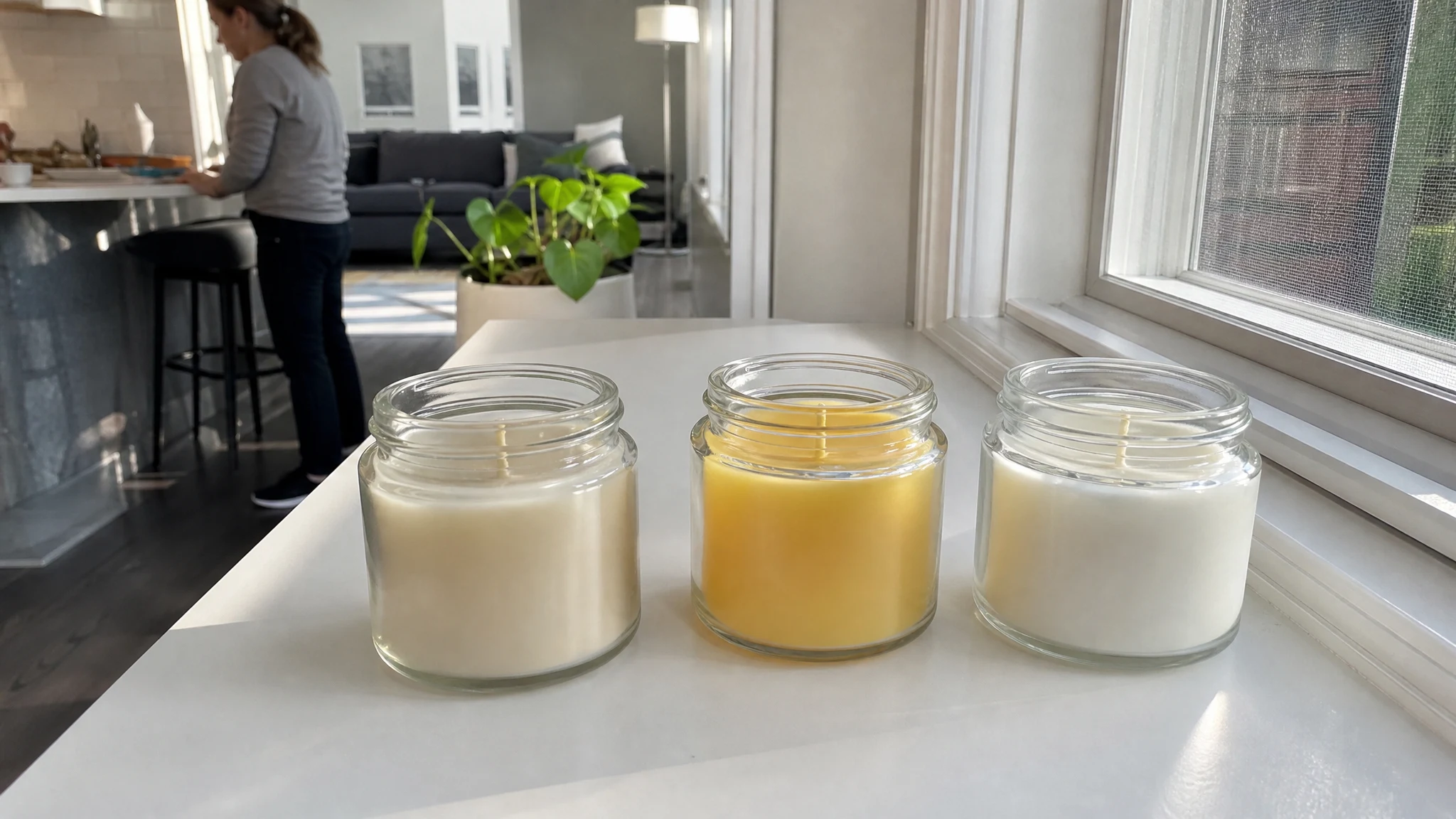
- Reach for the absolute when the scent has to be recognizable and repeatable: perfume oil, solid perfume, candles, anything you plan to make twice. Our rollerball recipe walks through the dilution maths.
- Reach for an infusion when you want a soft botanical hint in something personal, you are happy for each batch to differ, and you will follow the dried, chilled route above.
- Bring in a formulator if the product contains water or has to sit on a shelf for months. Moisture changes the preservation question entirely.
Neither is better in the abstract. An infusion is a charming craft project; an absolute is a measured ingredient. They answer different questions.
One practical way to decide is to ask what you will do if it goes wrong. If a batch of infused oil turns out faint or smells a little odd, you will shrug and make another, and that is part of the fun. If a perfume or a batch of balm you meant to give as a gift turns out different from the last, that is more disappointing. Let that guide your choice, and keep notes either way: what went in, how much, and when.
Reading the word on a label
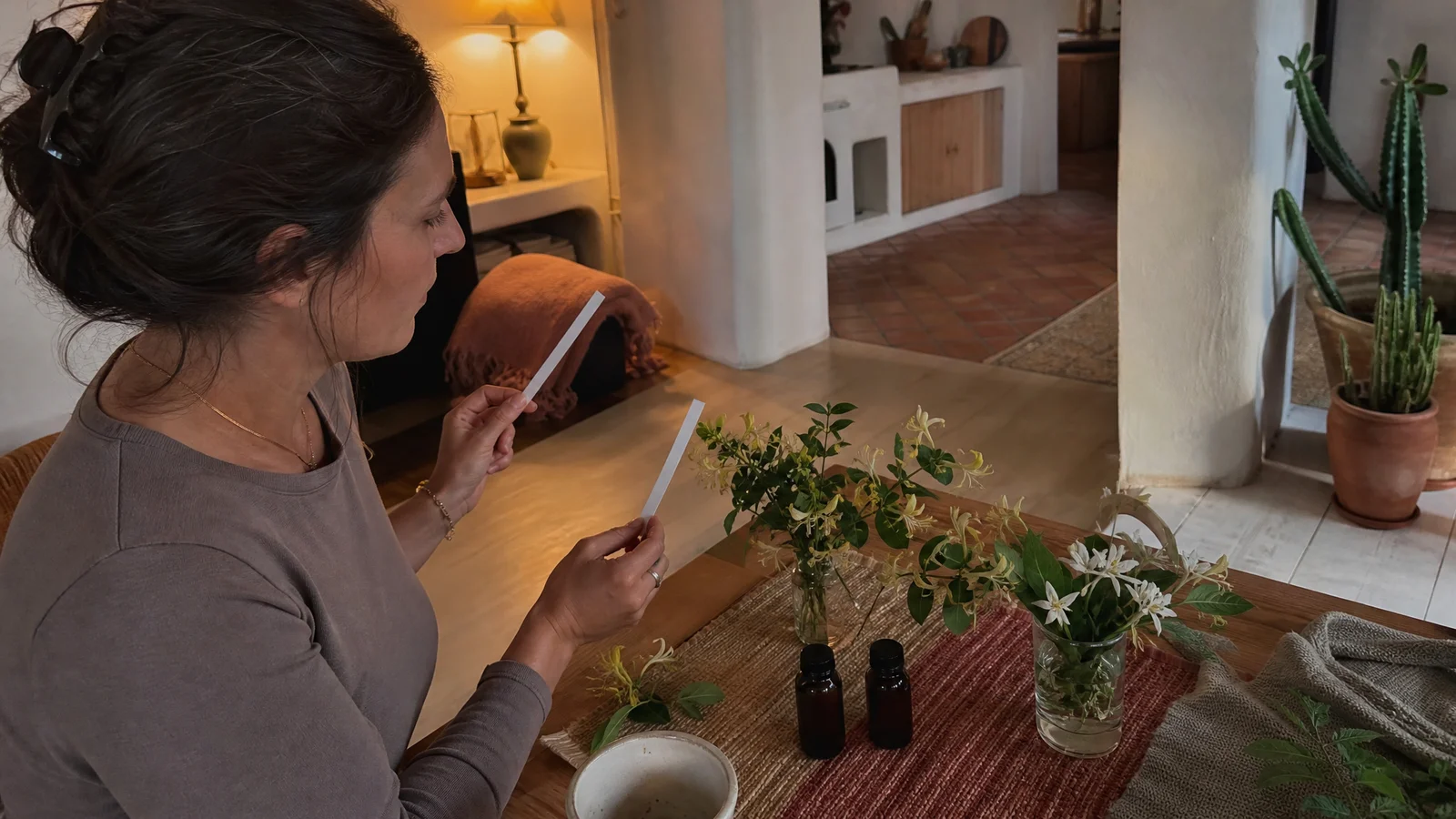
Because "honeysuckle oil" can describe an infusion, a fragrance blend or an absolute, it helps to know that honeysuckle does not give a meaningful steam-distilled essential oil, a point we explain in the steam distillation article, and our guide to reading the claim on a bottle covers the rest. A seller of an infusion should be able to tell you the carrier, the plant part, whether the flowers were fresh or dried, and when it was made. If you would like to go further and extract at home, we explain why that is a different undertaking. Once you have a carrier chosen, our carrier comparison helps you match it to the job. Carrier oils and dried flowers come from a craft or grocery supplier; we sell the absolute only.
Start with the jar if you enjoy the ritual, and keep the dose-able version for the day you want the same scent twice.
Honeysuckle Absolute
Honeysuckle Absolute from our own shop, in sizes from 0.5 oz to bulk.
From $13.99
Shop Now →